Jaegaseung: The History of Korea's Lay Buddhist Monk Communities
The Jaegaseung represent one of the most unique ethnoreligious groups in Korean history. Literally translating to "monks who live in houses," these communities were composed of married lay monks who maintained a distinct identity rooted in both Buddhist practice and their Jurchen ancestry. Once thriving in the mountainous regions of northeastern Korea, their unique way of life eventually faced significant pressure from political shifts and forced assimilation.
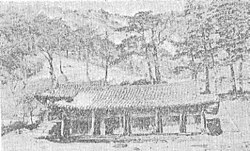
Key Facts
- Origins: Descendants of the Jurchen people who settled in northeastern Korea.
- Religious Identity: Practiced Buddhism as married lay monks.
- Primary Industry: Produced hwangji (oatmeal paper) used for tax payments.
- Language: Spoke a distinct version of the Yukjin dialect.
- Geographic Range: Primarily located in Ryanggang Province, North Hamgyong Province, and Rason.
- Historical Fate: Underwent forced assimilation in North Korea under Kim Il Sung.
Historical Origins and the Jurchen Connection
The roots of the Jaegaseung are tied to the Jurchen people, the ancestors of the Manchu. During the mid-fifteenth century, King Sejong expanded Korean territory as far north as the Tumen River, establishing colonies in areas traditionally inhabited by Jurchen tribes. Over time, many Jurchens integrated into Korean society through marriage and agriculture, becoming economically and militarily linked to the Korean state.
However, the seventeenth century brought significant upheaval. As the Jurchen leader Nurhaci rose to power, he sought to consolidate Jurchen populations. Between 1607 and 1609, many Jurchens in northern Hamgyŏng were forcibly moved into his burgeoning kingdom, which would eventually become the Manchu dynasty. Historians believe the Jaegaseung were the descendants of those Jurchen communities who successfully evaded this mass deportation and remained in Korea, eventually assimilating into the local culture while retaining their unique traditions.
Distinctive Cultural Traditions
While the Jaegaseung shared many customs with their neighbors in Northern Hamgyong, they maintained several divergent practices that set them apart. Their social structure was hierarchical, led by a village chief who was well-versed in Buddhist scriptures and responsible for administrative duties like tax collection.
Social and Religious Customs
The Jaegaseung lifestyle was defined by specific religious and social norms:
- Dietary Habits: They were largely vegetarian, except during significant religious days.
- Marriage Rites: If a Jaegaseung woman married a man from outside the community, the man was required to move into the Jaegaseung village and shave his head.
- Funerary Practices: Unlike many neighbors, they practiced cremation.
- Ritual Attire: They wore red clothing during Jesa (ancestral rites).
- The Daesangwi Ceremony: To ensure the health of a sick member or the village, they performed a unique overnight ceremony by the Tumen River involving offerings of rice cakes and a pig.
Daily Life and Housing
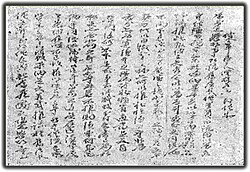
Jaegaseung homes typically consisted of a single large room surrounded by a fence. Interestingly, due to the influence of shamanism, they avoided planting trees around their residences. Their community also held unique views on gender and modesty; for instance, women were permitted to wear trousers, and their public dress habits were often viewed as scandalous by mainstream Korean society.
Language and Communication
The Jaegaseung spoke the Yukjin dialect of Korean. While this was the regional standard, the Jaegaseung version contained unique vocabulary that occasionally caused communication difficulties with government officials. For example, they used specific terms like yangsoraeeopda and deoksaeeopda to describe someone lacking common sense.
Other unique words included musae (for what reason), yeong'e (powdered bean for rice cakes), and namari (edible plants or herbs). Interestingly, the only phrase considered vulgar within their community was "It's a tiger" (beomiya), likely a linguistic reflection of the historical danger posed by tigers in the region.
Summary of Jaegaseung Characteristics
| Category | Details |
|---|---|
| Ancestry | Jurchen |
| Religion | Buddhism (Lay Monasticism) |
| Key Product | Hwangji (Oatmeal paper) |
| Primary Dialect | Yukjin Korean |
| Social Structure | Led by a scripture-literate chief |
Frequently Asked Questions
What does the name Jaegaseung mean?
The name literally translates to "monks who live in houses," referring to their status as married lay Buddhists rather than celibate monks living in traditional monasteries.
How did the Jaegaseung relate to the Manchu people?
The Jaegaseung were descendants of the Jurchen people. While many Jurchens were incorporated into the Manchu state, the Jaegaseung were those who remained in Korea and assimilated into Korean society.
What was the significance of hwangji?
Hwangji was a type of oatmeal paper produced by the Jaegaseung community, which served as a vital commodity used to pay their taxes.
Why did the Jaegaseung culture decline?
The community faced forced assimilation in North Korea under the orders of President Kim Il Sung, as their monastic identity was viewed as anti-socialist by the government.
Did the Jaegaseung have a unique language?
They spoke the Yukjin dialect, but it contained specific vocabulary and nuances that distinguished them from other local speakers, sometimes making communication with officials difficult.