Ludwig van Beethoven: The Architect of Romantic Music
Ludwig van Beethoven was a German composer, conductor, and pianist whose influence on Western music is nearly unparalleled. Mentored during the Classical period, Beethoven became the primary catalyst for the transition into Romantic music, a style characterized by greater emotional expression and the expansion of instrumental forms. From the structural grandeur of the symphony to the intimate depths of the string quartet and piano sonata, his works remain among the most performed and studied in the world.
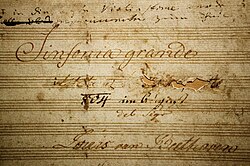
Beethoven's career is often viewed as a journey of innovation, culminating in a late period (1812–1827) that pushed the boundaries of musical language. His final years produced some of the most complex and revered works in history, including the Missa solemnis and the Ninth Symphony, the first major example of a choral symphony (a symphony that incorporates a choir and vocal soloists).
Key Facts
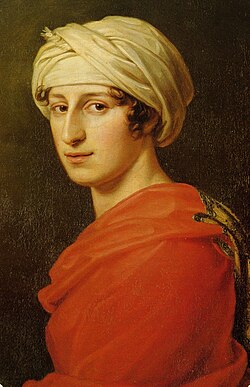
- Born: Bonn, Germany (Baptised 17 December 1770).
- Died: 26 March 1827, Vienna, Austria (aged 56).
- Key Contributions: Bridged the gap between Classical and Romantic eras; expanded the symphony, piano sonata, and string quartet.
- Major Late Works: Ninth Symphony, Missa solemnis, Hammerklavier sonata, and the Große Fuge.
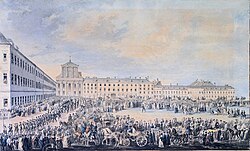
- Legacy: His funeral in Vienna was attended by approximately 10,000 people.
Early Life and Education in Bonn
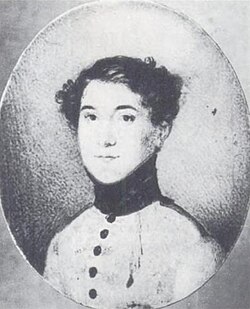
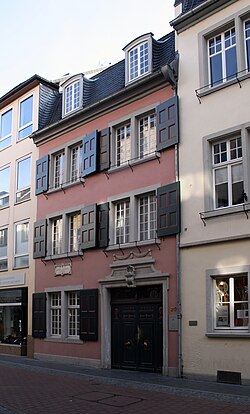
Beethoven was the second of seven children born to Johann van Beethoven and Maria Magdalena Keverich. Only Ludwig and two younger brothers, Karl and Nikolaus Johann, survived infancy. His early years in Bonn were marked by a rapid development of musical skill.
Between 1790 and 1792, Beethoven began composing works that displayed growing maturity. Under the recommendation of his teacher, Neefe, he received early commissions, including cantatas for the Literary Society in Bonn to mark the death of Joseph II and the accession of Leopold II. Though these "Emperor Cantatas" were lost until the 1880s, they signaled the arrival of a major talent.
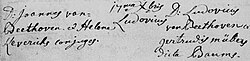
![Silhouette image made of Beethoven "in his 16th year" (c. 1786; age 15). He wears the uniform and wig suited to his employment as a court musician in Bonn.[14]](/images/10/c3/10c3bd4f5e1e26545ecaf0f68444acea179de01ca1f87ace8f4c00000f2a4544.png)
The Vienna Years: Establishing a Reputation
Moving to Vienna in 1792, Beethoven spent a decade mastering the "Viennese style" established by Haydn and Mozart. He soon began expanding these forms, introducing four-movement sonatas instead of three and replacing the traditional minuet and trio with the more energetic scherzo (a fast, light-hearted movement).
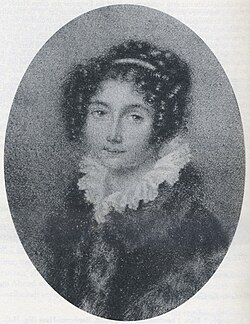
During this time, Beethoven was a sought-after teacher. He tutored the daughters of Countess Anna Brunsvik, including Josephine, and later taught the renowned pianist Carl Czerny and composer Ferdinand Ries. His personal life was often complicated by social class; for instance, his affection for Julie Guicciardi was hindered by their different social standings, though he dedicated his famous "Moonlight" Sonata (Op. 27 No. 2) to her.
![The earliest known portrait of Beethoven as an adult (age 29); engraving (c. 1801) by Johann Joseph Neidl after a now-lost portrait by Gandolph Ernst Stainhauser von Treuberg (c. 1800)[37]](/images/3f/71/3f71174c18f7095220ab5f01d3e27441d4e918c0b70c40432f3aecc4b8de672d.jpg)
Early Successes and Public Performance
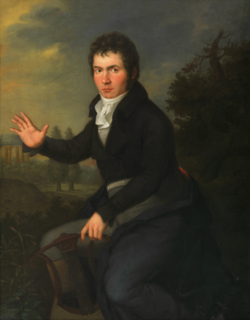
In 1801, Beethoven completed the ballet The Creatures of Prometheus, which became a popular success. By 1803, he had been appointed composer in residence at the Theater an der Wien. A landmark subscription concert in April 1803 featured his First and Second Symphonies, the Third Piano Concerto, and the oratorio Christ on the Mount of Olives. Despite mixed reviews, the event was a financial triumph.
The Heroic Period and Aristocratic Patronage
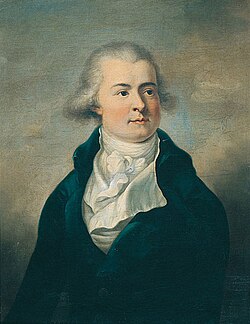
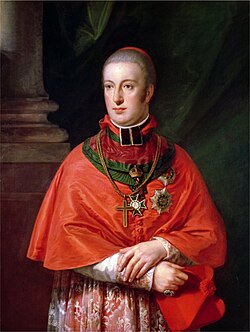
Beethoven's "heroic" style emerged as he sought to convey power, struggle, and triumph. This era was supported by a network of wealthy patrons who provided annual stipends and commissioned exclusive works. His most significant relationship was with Archduke Rudolf of Austria, who studied piano and composition with Beethoven from 1803 or 1804 until 1824. Beethoven dedicated 14 compositions to the Archduke, including the Archduke Trio (Op. 97).
Interactions with Goethe
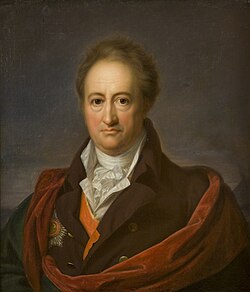
Beethoven's heroic leanings aligned with the works of the great poet Goethe. In 1809, he was commissioned to write incidental music for Goethe's play Egmont. This collaboration, along with Beethoven setting three of Goethe's poems as songs, cemented a professional and intellectual connection between the two giants of German culture.
Later Years and Final Masterpieces
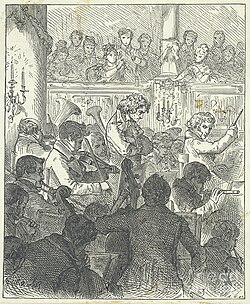
The period between 1813 and 1822 saw Beethoven achieve immense acclaim, though he faced significant family issues and a period of declining energy. However, a resurgence occurred in the early 1820s. His status was reaffirmed during the Concerts sprituels in Vienna, where all eight of his symphonies composed to that date were performed.
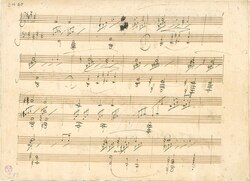
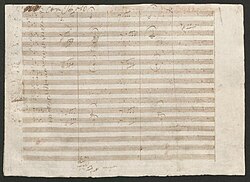
In his final years, Beethoven produced works of unprecedented innovation. The Ninth Symphony and Missa solemnis, both premiered in 1824, stand as monuments of Western art. His late string quartets and the Hammerklavier sonata are regarded as the pinnacles of their respective genres, pushing the limits of what instruments and performers could achieve.
Death and Legacy
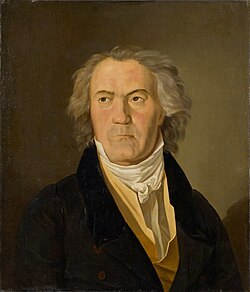
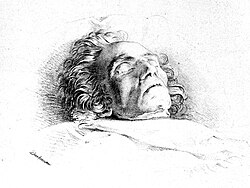
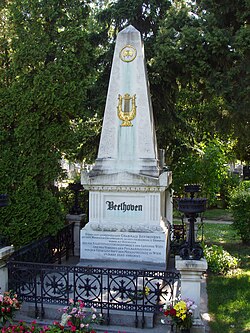
After several months of illness that left him bedridden, Beethoven died on 26 March 1827 at the age of 56. His funeral procession was a massive event, with an estimated 10,000 people attending to honor the composer. He was laid to rest at the Zentralfriedhof in Vienna.
Summary of Beethoven's Musical Evolution
Beethoven's career is typically divided into three distinct stylistic periods, reflecting his growth from a Classical prodigy to a Romantic visionary.
| Period | Approximate Years | Key Characteristics | Notable Examples |
|---|---|---|---|
| Early Period | 1782–1802 | Mastery of Haydn/Mozart style; expansion of sonata form. | Moonlight Sonata, 1st & 2nd Symphonies |
| Middle (Heroic) Period | 1803–1812 | Themes of struggle and triumph; larger scale works. | Eroica Symphony, Egmont Overture |
| Late Period | 1813–1827 | High innovation; complex structures; choral integration. | Ninth Symphony, Missa solemnis, Late Quartets |
Frequently Asked Questions
What was the significance of the Ninth Symphony?
The Ninth Symphony is historically significant as the first major choral symphony, integrating a full choir and vocal soloists into the symphonic structure, and it represents the peak of Beethoven's late-period innovation.
Who were Beethoven's most important patrons?
His most influential patron was Archduke Rudolf of Austria, who was both a student and a close friend. Other early patrons included Prince Lobkowitz and Prince Lichnowsky, who provided stipends and commissioned works.
How did Beethoven change the structure of the symphony and sonata?
Beethoven expanded the scale of these forms, often increasing the number of movements (such as four-movement sonatas) and replacing the traditional minuet with the more energetic scherzo.
What was Beethoven's relationship with Goethe?
Beethoven admired Goethe and was commissioned to write incidental music for Goethe's play Egmont. He also set several of Goethe's poems to music, reflecting a shared spirit of heroism and intellectual depth.
Where can visitors find remnants of Beethoven's life today?
His birthplace at Bonngasse 20 in Bonn is now the Beethoven-Haus museum, and his grave is located at the Zentralfriedhof in Vienna.