Linnaean Amphibia: The 1758 Classification of Reptiles and Fish
In the 10th edition of Systema Naturae, the renowned naturalist Carl Linnaeus established a broad classification for the class Amphibia. By modern standards, this group was an expansive umbrella that included not only amphibians but also reptiles and several types of fish. Linnaeus's approach was based on observable physical traits and behaviors, reflecting the scientific understanding of the mid-18th century.
Linnaeus described these animals as having cold, generally naked bodies, harsh voices, and often lurid colors. He noted several distinct biological features, including cartilaginous bones, slow circulation, and the ability to regenerate lost body parts. He also observed that some species undergo metamorphosis, shed their skin, or remain torpid during winter months.
Key Facts
- Broad Scope: The 1758 class Amphibia included modern amphibians, reptiles, and certain cartilaginous fish.
- Anatomical Markers: Linnaeus identified these animals by their lack of a diaphragm, absence of sweat glands, and a heart consisting of one auricle and one ventricle.
- Environmental Influence: Linnaeus grouped reptiles with amphibians partly because he observed local Swedish species, such as the grass snake, active in water.
- Taxonomic Shift: Fish originally placed in Amphibia were later moved to the fish class under the order Chondropterygious (species with cartilaginous gills).
The Linnaean Definition of Amphibians
Linnaeus categorized the class based on a specific set of physiological and anatomical characteristics. He noted that these creatures possessed an incumbent jaw and typically produced membranaceous eggs. Their sensory organs included the tongue, nostrils, eyes, and ears.
From a behavioral perspective, he described them as creatures that creep in warm places and hiss, often living promiscuously between land and water environments.
Classification of Reptiles and Amphibians
Linnaeus divided his subjects based on their limb structures and respiratory methods. This led to the creation of several key genera.
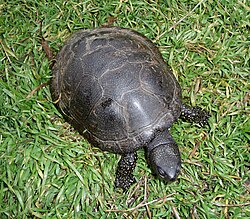
Turtles and Tortoises (Testudo)
The genus Testudo encompassed a wide variety of shelled reptiles, from the Green sea turtle (Testudo mydas) to the Common snapping turtle (Testudo serpentina).
Lizards and Crocodilians (Lacerta)
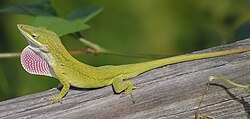
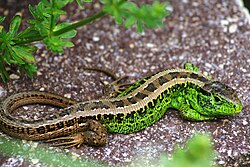
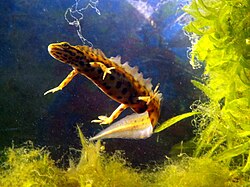
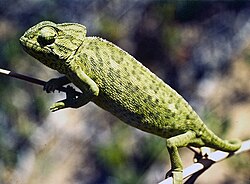
The genus Lacerta was remarkably diverse, containing terrestrial lizards, salamanders, and even crocodilians like the Spectacled Caiman (Lacerta crocodilus). This group also included the Common chameleon, then known as Lacerta chameleon.
Frogs and Toads (Rana)
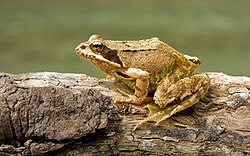
The genus Rana included various anurans, such as the Common Frog (Rana temporaria) and the Cane toad (Rana marina).
The Serpentes: Snakes and Worm Lizards
Linnaeus categorized snakes into several groups based on their physical characteristics and venom delivery systems.
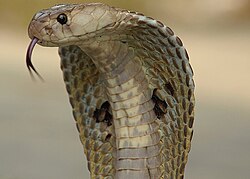
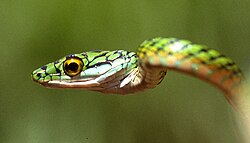
Vipers, Cobras, and Racers (Coluber)
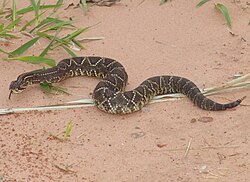
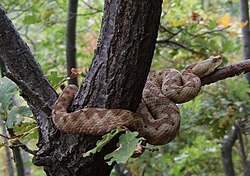
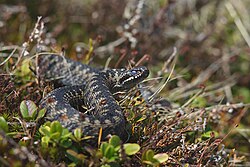
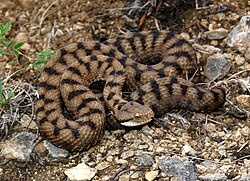
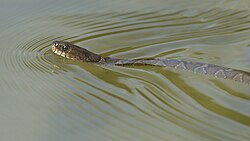
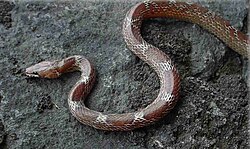
The genus Coluber was a massive category that included everything from the Indian cobra (Coluber naja) to the northern water snake (Coluber sipedon).
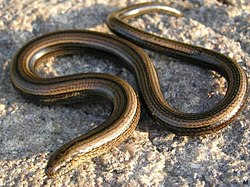
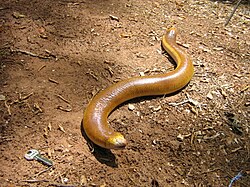
Legless Reptiles (Anguis and Amphisbaena)
Linnaeus used Anguis for slowworms and worm snakes, and Amphisbaena for worm lizards.
The Nantes: Cartilaginous Fish
Interestingly, Linnaeus initially included several fish species in the Amphibia class. These were later reorganized into the order Chondropterygious. This group included lampreys, rays, sharks, and ratfishes.
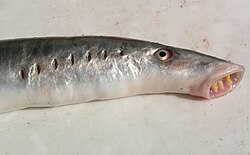
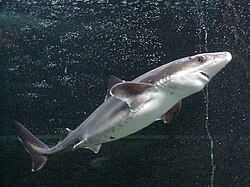
| Genus | Modern Examples | Linnaean Grouping |
|---|---|---|
| Testudo | Turtles, Tortoises | Amphibia |
| Lacerta | Lizards, Newts, Crocodilians | Amphibia |
| Rana | Frogs, Toads | Amphibia |
| Coluber | Vipers, Cobras, Racers | Amphibia |
| Squalus | Sharks | Amphibia (later Fish) |
| Petromyzon | Lampreys | Amphibia (later Fish) |
Frequently Asked Questions
Why did Linnaeus include reptiles in the Amphibia class?
Linnaeus observed that many reptiles in his native Sweden, such as the grass snake and common adder, were active and hunted in the water, leading him to group them with amphibians.
What anatomical features defined the Linnaean Amphibia?
They were characterized by cold blood, a heart with one auricle and one ventricle, cartilaginous bones, a lack of a diaphragm, and the inability to sweat.
Which fish were originally classified as amphibians?
Linnaeus included lampreys (Petromyzon), rays (Raja), sharks (Squalus), ratfishes (Chimaera), anglerfishes (Lophius), and sturgeons (Acipenser).
How did Linnaeus eventually reclassify the cartilaginous fish?
He later merged them into the Fish class and created a new order called Chondropterygious, defined by the presence of cartilaginous gills.
What was the genus Lacerta used for in 1758?
The genus Lacerta was a broad category that included terrestrial lizards, salamanders, and crocodilians, such as the Spectacled Caiman.