Kristallnacht: The Night of Broken Glass and the Escalation of Nazi Terror
Kristallnacht, known in English as the Night of Broken Glass or the November Pogroms, was a coordinated wave of violence against the Jewish population across Nazi Germany, including annexed Austria and the Sudetenland. Occurring on the nights of November 9 and 10, 1938, this event marked a critical transition from the systemic discrimination of Jews to open, state-sponsored violence.
The name "Kristallnacht" (German for "crystal night") is a euphemism referring to the shards of broken glass that covered the streets after the windows of Jewish-owned businesses, homes, and synagogues were systematically smashed by mobs.
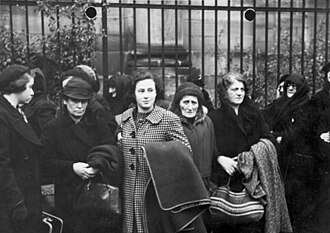
Key Facts
- Date: November 9–10, 1938.
- Perpetrators: The Nazi Party's SA (stormtroopers), SS, Hitler Youth, and participating German civilians.
- Casualties: Early reports cited 91 deaths, while later estimates suggest between 1,000 and 2,000 deaths.
- Mass Arrests: Approximately 30,000 Jewish men were detained and sent to concentration camps.
- Primary Targets: Synagogues, Jewish-owned stores, and Jewish residences.
The Pretext for Violence
The Nazi regime used a specific political assassination as the catalyst for the pogrom. On November 9, 1938, German diplomat Ernst vom Rath died from wounds inflicted by Herschel Grynszpan, a 17-year-old German-born Polish Jew living in Paris.
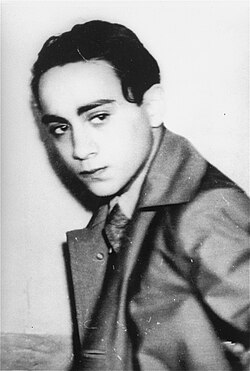
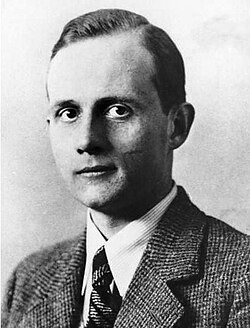
The Nazi leadership seized upon vom Rath's death as a justification for "spontaneous" revenge, though the scale and coordination of the attacks indicated a state-directed purge fueled by deep-seated antisemitism.
The Pogrom: Destruction and Terror
Throughout the night, paramilitary forces and civilians launched a brutal assault. The violence was characterized by looting, arson, and kidnapping. Synagogues were burned to the ground, and thousands of storefronts were demolished.
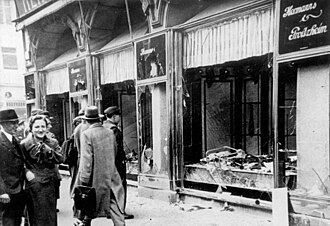
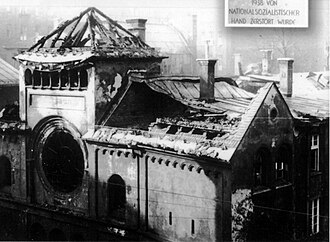
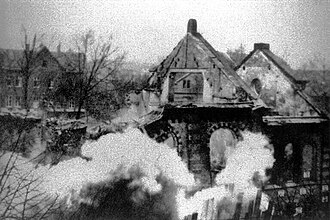
While the SA and SS led the attacks, German authorities were instructed to look on without intervening, effectively granting the perpetrators immunity. The destruction extended beyond property; the human cost was immense, with thousands of lives shattered and a massive wave of arrests that funneled Jewish men into the concentration camp system.
Responses and Aftermath
The reactions to Kristallnacht varied wildly between the Nazi inner circle, the German public, and the international community.
Domestic Reactions
Some members of the German establishment expressed horror. Former Emperor Wilhelm II famously remarked, "For the first time, I am ashamed to be German." Conversely, some religious figures supported the violence. Martin Sasse, a Nazi Party member and bishop in Thuringia, applauded the burning of synagogues, linking the event to the birthday of Martin Luther.
International Response
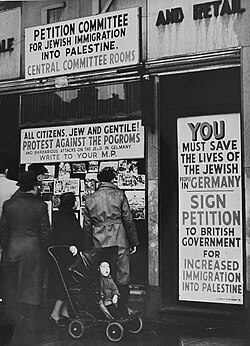
Globally, the events sparked outrage and protests. In Britain, Jewish communities protested against immigration restrictions to Palestine, hoping to find a safe haven for those fleeing the Third Reich.
Historical Legacy and Memory
Kristallnacht is viewed by historians as a turning point that signaled the beginning of the Holocaust. In the post-war era, the date of November 9 became so heavily associated with Nazi terror (and the earlier Beer Hall Putsch) that Germany chose October 3, 1990, as its national reunification day rather than the anniversary of the fall of the Berlin Wall (November 9), to avoid the date's dark connotations.
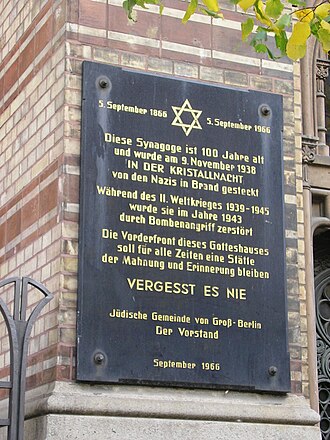
Today, many synagogues that were destroyed have been restored as memorials to the victims.
| Category | Details |
|---|---|
| Primary Motive | Revenge for the assassination of Ernst vom Rath; systemic antisemitism |
| Key Perpetrators | SA, SS, Hitler Youth, and German civilians |
| Estimated Deaths | 91 (early) to 2,000 (later estimates) |
| Impact on Property | Widespread destruction of synagogues and Jewish businesses |
| Human Toll | 30,000 men arrested and sent to concentration camps |
Frequently Asked Questions
What does the term Kristallnacht mean?
Kristallnacht is German for "crystal night." It is a euphemism referring to the shattered glass from the windows of Jewish-owned stores and synagogues that littered the streets after the pogroms.
Who was Herschel Grynszpan?
Herschel Grynszpan was a 17-year-old German-born Polish Jew living in Paris who assassinated German diplomat Ernst vom Rath, providing the Nazi regime with the pretext to launch the November Pogroms.
How many people died during Kristallnacht?
While early official reports stated 91 deaths, later historical estimates suggest the actual death toll was significantly higher, ranging between 1,000 and 2,000 people.
Was the violence spontaneous?
Although the Nazi regime presented the riots as spontaneous "public anger," the coordination between the SA, SS, and the lack of intervention by police indicate it was a state-organized purge.
What happened to the Jewish men arrested during the riots?
Approximately 30,000 Jewish men were arrested during the events of November 9–10 and were subsequently transported to concentration camps.