Knighthood: The Evolution of the Medieval Warrior and Chivalric Code
A knight is an individual granted an honorary title of knighthood by a head of state, such as a monarch or the pope, in recognition of service to the country, the church, or the crown. While often associated with military prowess, the role of the knight evolved over centuries from a functional military necessity into a complex social rank defined by honor, nobility, and a strict code of conduct.
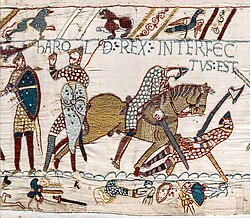
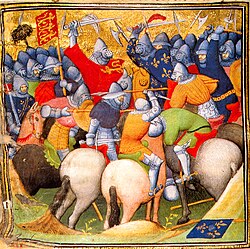
The roots of knighthood may trace back to the ancient Greek hippeis and Roman equites. In the Early Middle Ages of Western Christian Europe, the title was conferred upon mounted warriors. By the High Middle Ages, knights formed a class of petty nobility, often serving as vassals—elite fighters or bodyguards for a lord in exchange for land holdings.
Key Facts
- Origins: Developed from mounted warriors in the 10th and 11th centuries, becoming a formal rank in the 12th century.
- Chivalry: A code of conduct for the ideal courtly Christian warrior that emerged in the Late Middle Ages.
- Training: A progression from page to squire before receiving the accolade (the act of being knighted).
- Military Orders: Religious military groups like the Knights Templar and Hospitallers protected pilgrims in the Holy Land.
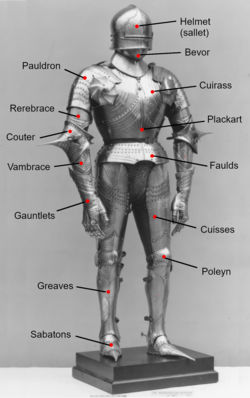
- Obsolescence: Gunpowder weapons, such as the culverin, eventually rendered heavy plate armor obsolete on the battlefield.
The Path to Knighthood
Becoming a knight was a rigorous process of social and military maturation. A young candidate typically progressed through three distinct stages:
- Page: The initial stage of training, focusing on basic manners and service.
- Squire: A more advanced stage where the youth served a knight, maintaining equipment and learning the art of war.
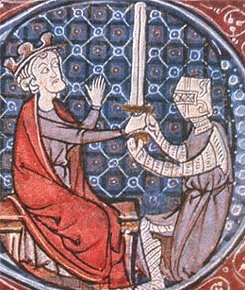
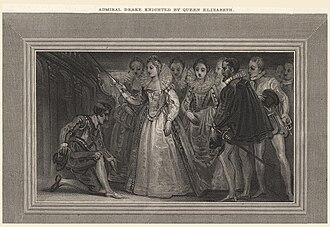
- Accolade: The formal ceremony of knighthood. In later traditions, this involved the recipient being tapped on each shoulder with a sword.
Chivalry and Knightly Culture
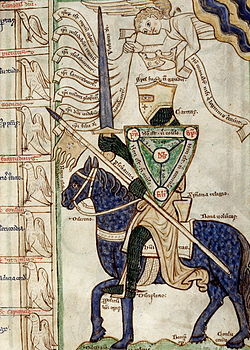
By the Late Middle Ages, the rank was inextricably linked to chivalry, a moral and social code. This ideal was popularized through literature, specifically the Matter of France (stories of Charlemagne and his paladins) and the Matter of Britain (the legends of King Arthur and the Knights of the Round Table).
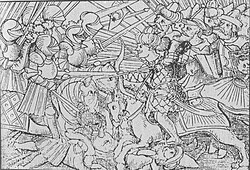
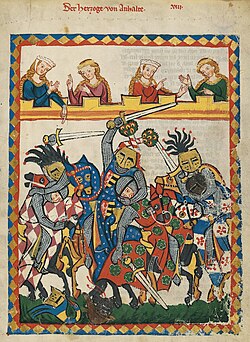
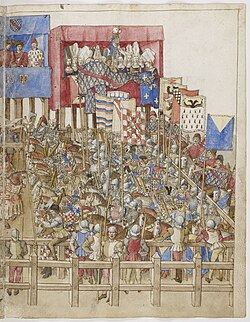
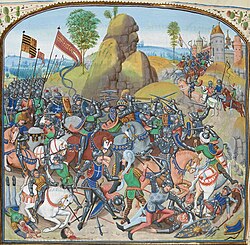
Knightly culture also emphasized the tournament, which served as both training and social spectacle. These events often featured the mêlée, a simulated battle, and the joust, a head-on contest of horsemanship.
Heraldry and Equipment
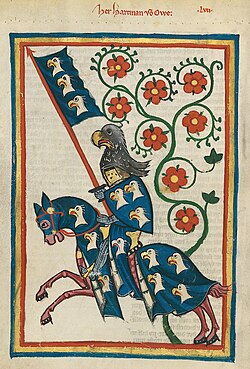
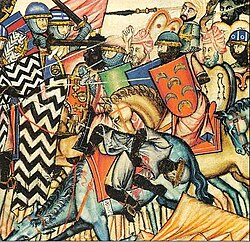
To identify themselves on the battlefield, knights used heraldry. Their equipment evolved significantly to meet the demands of warfare. The shield, for instance, transitioned from the oval shapes of the Early Middle Ages to the kite shield (designed to protect the left knee), the heater shield of the 13th century, and finally the bouched shield around 1350, which featured a notch for a couched lance.
Military and Honorific Orders
The Crusades gave rise to monastic military orders. These organizations were intended to protect pilgrims traveling to the Holy Land while adhering to religious vows.
| Order Name | Founded | Primary Purpose/Nature |
|---|---|---|
| Knights Hospitaller | 1099 (approx) | Medical services and pilgrim protection |
| Knights Templar | 1118 | Military protection of pilgrims (disbanded 1307) |
| Teutonic Knights | c. 1190 | Military order; ruled a state in Prussia until 1525 |
| Order of the Garter | 1348 | English honorific order founded by Edward III |
| Order of the Golden Fleece | 1430 | Founded by Philip III, Duke of Burgundy |
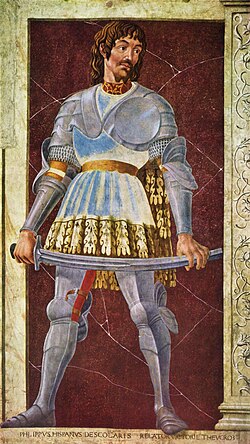
The Decline of the Armored Knight
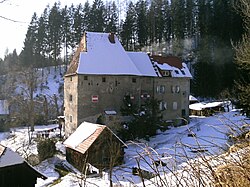
The dominance of the knight began to wane with the introduction of gunpowder. The culverin, an anti-personnel weapon, could penetrate the heavy plate armor that had previously made knights nearly invincible. By the 16th century, the role of the knight shifted from a tactical necessity to a social honor.
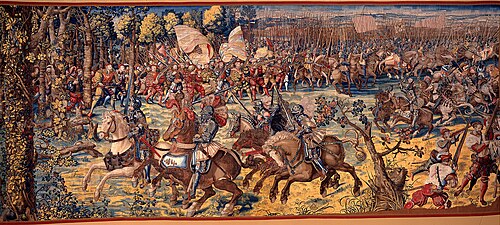
Holy Roman Emperor Maximilian I (1459–1519) is frequently called the "last knight" due to his embodiment of these fading ideals, though the Knights Hospitaller continued to fight iconic battles, such as the Great Siege of Malta, well after his time.
Women in Knighthood
While traditionally a male domain, women have held knightly honors in various contexts. In the Order of the Garter, 68 women were appointed between 1358 and 1488. In modern Britain, the first woman to receive a knighthood was Nawab Sikandar Begum Sahiba in 1861. In France, the Légion d'Honneur has included women since the mid-19th century, with some recipients, such as Angélique Brûlon, earning the honor through military service.
Frequently Asked Questions
What is the difference between a squire and a knight?
A squire is an apprentice in training who serves a knight, whereas a knight is a fully invested warrior who has received the accolade and holds the honorary title.
What was the purpose of the chivalric code?
The chivalric code provided a set of ethical guidelines for the "perfect courtly Christian warrior," emphasizing virtues such as honor, courage, and loyalty.
How did gunpowder affect knighthood?
Gunpowder weapons, like the culverin, could pierce heavy armor, making the traditional heavily armored cavalry charge obsolete and shifting the knight's role from a military asset to a social title.
Were there women knights in the Middle Ages?
While rare, some women were appointed to orders like the Order of the Garter in the 14th and 15th centuries, and some religious orders, such as the Order of the Blessed Virgin Mary, granted the rank of militissa to women.
What were the primary military orders of the Crusades?
The most prominent were the Knights Templar, the Knights Hospitaller, and the Teutonic Knights, all of whom combined monastic life with military service to protect pilgrims.