Orders of Chivalry and Merit: The History and Evolution of State Honours
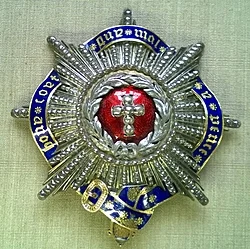
An order is a visible honour bestowed by a sovereign state, monarch, dynastic house, or organization. Typically awarded in recognition of individual merit, these honours are characterized by distinctive insignia—such as collars, medals, badges, and sashes—that recipients wear to signal their status and achievement.
The systems we recognize today as state and dynastic orders evolved from the chivalric culture of the Middle Ages, which itself grew out of early Catholic religious orders. Over centuries, these evolved from exclusive societies of knights into the diverse national honour systems used globally today.
Key Facts
- Global Prevalence: Approximately 96% of the world's states use orders to honour citizens or as diplomatic tools for foreigners.
- Legal Framework: 133 states regulate the use of orders within their national constitutions.
- Origins: Modern orders trace their lineage from Catholic religious orders to medieval military orders of chivalry.
- Diversity: While many orders use a multi-class system (e.g., knights and dames), some, particularly in former communist states, used single-grade badges.
- Exceptions: A small number of nations, including Switzerland and Palau, do not confer official civil orders of merit.
The Evolution of Honour Terminology
The term "order" derives from the Latin ordo. Originally, this referred to chivalric and military orders, which mirrored the structure of Catholic religious orders. Over time, these organizations became more courtly and were often created on an ad hoc basis.
Historically, an order implied membership in a confraternity (a brotherhood or society). In some exclusive European traditions, membership was strictly limited in number. However, as the practice evolved, the distinction between an "order" (a society) and a "decoration" (a medal) became blurred. Today, the term "order" is frequently used to describe a decoration even if no formal society exists.
Historical Development
From Crusades to Courtly Honours
The foundation of modern national orders lies in the military orders of the Middle Ages and the Crusades. Initially, these were fellowships of knights founded by European monarchs or the Holy See. Eventually, granting membership shifted from a purely military or religious function to a way for sovereigns to reward service or ensure the loyalty of their subjects.
Some of Europe's most prestigious honours were established during this era, including England's Order of the Garter (1348), the Order of the Golden Fleece (1430), Scotland's Order of the Thistle (1687), and Denmark's Order of the Elephant (1693).
Dynastic Orders and the Shift to Merit
During the Renaissance, monarchs created dynastic orders to reward military and civilian officials. For centuries, these were reserved for the nobility. This began to change in the 18th century as orders transitioned from "honourable societies" to visible honours based on merit.
A pivotal example occurred in Austria under Maria Theresa. The Order of Saint Stephen of Hungary (1764) still required four generations of noble ancestry, but the Military Order of Maria Theresa (1757) was open to any deserving officer regardless of social origin, even granting nobility to those who earned it.
Types of Modern Orders
Orders of Merit
The modern national order of merit was pioneered by Napoleon in 1802 with the creation of the Legion of Honour (Légion d'honneur). This award broke tradition by being open to any person regardless of status, rewarding bravery in combat or 20 years of distinguished service. This model—often featuring five distinct classes—influenced many Western systems, including Belgium's Order of Leopold (1832) and the UK's Order of the British Empire (1917).
In contrast, communist states developed different systems. Orders of merit in these countries typically featured one to three grades and were often awarded multiple times to the same individual, such as the Soviet Union's Order of Lenin (1930). Following the collapse of the Soviet Bloc in the 1990s, most Eastern European nations returned to Western-style systems.
Global Variations and Restrictions
Today, orders are found worldwide, from Japan's Order of the Rising Sun and Thailand's Order of the White Elephant to the Order of Canada and the Order of Australia. In the United States, the Medal of Honor is the highest military award, while the Presidential Medal of Freedom is the highest civilian honour. The Legion of Merit is the only U.S. decoration issued in degrees, and it is reserved exclusively for foreign nationals.
Some nations maintain strict prohibitions. Switzerland's 1848 Constitution originally banned the acceptance of titles; while the 1999 Constitution is silent, federal statutes still prevent holders of foreign orders from holding public office. Similarly, Sweden restricted the awarding of orders to its own citizens from 1974 until 2022, when the government repealed the regulation and revived dormant orders like the Order of the Sword and Order of Vasa.
| System Type | Key Characteristics | Notable Examples |
|---|---|---|
| Chivalric/Dynastic | Historically noble-born; often limited membership; courtly nature. | Order of the Garter, Order of the Golden Fleece |
| Western Merit | Open to all citizens; typically 5 classes; based on service/bravery. | Legion of Honour, Order of the British Empire |
| Communist Merit | 1-3 grades; could be awarded multiple times to one person. | Order of Lenin |
| U.S. Decorations | Specific medals for valour or freedom; degrees limited to foreigners. | Medal of Honor, Presidential Medal of Freedom |
Frequently Asked Questions
What is the difference between an order and a decoration?
Historically, an order implied membership in a society or confraternity, whereas a decoration was a simple award. In modern usage, this distinction has blurred, and the term "order" is often used interchangeably with high-level decorations.
Can an order be taken away?
Yes, in many countries, an order may be revoked if the recipient is convicted of a crime or renounces their citizenship.
Why does Switzerland not award orders?
Switzerland has a long-standing tradition of avoiding titles and honours. This was codified in the 1848 Constitution and continues through federal statutes that bar holders of foreign orders from holding public office.
Who can be nominated for a modern order of merit?
Most modern orders are open to all citizens regardless of race, sex, creed, or status, though some may have minimum age requirements. Nominations are typically submitted by government officials or private citizens.
What are the typical insignia associated with orders?
Recipients often receive a combination of items depending on the rank of the award, including sashes, badges, medals, and collars.