Karlsruhe: A Hub of History, Science, and Culture in Baden-Württemberg
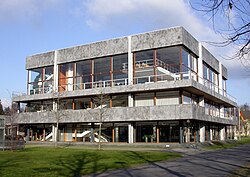
Located in the state of Baden-Württemberg, Karlsruhe is a city where royal heritage meets cutting-edge innovation. Founded in 1715, it served as the capital for various iterations of the Baden state, including the Margraviate, Electorate, and Grand Duchy of Baden. Today, it is the third-largest city in its state, known for its unique fan-shaped layout and its role as a center for higher education and justice.
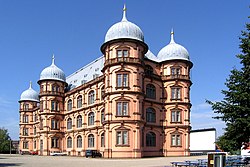
The city's architectural identity is deeply tied to the Karlsruhe Palace, built in 1715. This landmark houses the Baden State Museum, which preserves the cultural and regional history of the Baden region. The city's layout radiates from the palace, creating a distinct urban design that reflects its aristocratic origins.
Key Facts
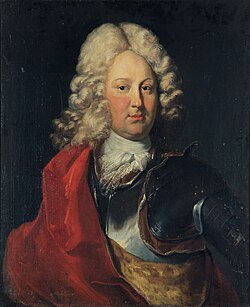
- Founded: 1715 by Margrave Charles III William.
- Population: Approximately 309,050 (as of December 31, 2024).
- Key Institution: Home to the Karlsruhe Institute of Technology (KIT) and eight other higher education institutions.
- Administrative Role: Former capital of the Grand Duchy of Baden and current urban district in Baden-Württemberg.
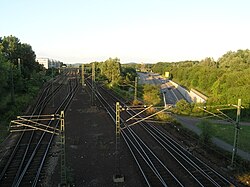
- Transport: Features the Karlsruhe/Baden-Baden Airport, the 17th-busiest in Germany.
History and Evolution
Karlsruhe was established on June 17, 1715, after Margrave Charles III William sought a new residence following disputes with the citizens of Durlach. The city grew rapidly, becoming the political heart of the region. In 1822, the Ständehaus was constructed, marking the first parliament building in a German state, and later hosted a republican government following the 1848 democratic revolution.
The 20th century brought significant challenges. During World War I, the city suffered devastating French air raids, most notably on June 22, 1916, which resulted in over 260 casualties. Following World War II, Karlsruhe was situated within the American occupation zone and hosted a U.S. military base from 1945 until its closure in 1995.
Jewish Life and the Holocaust
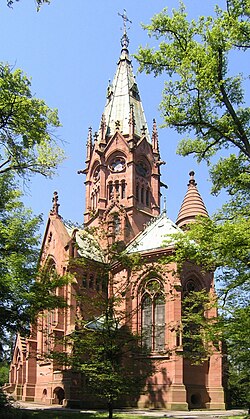
The Jewish community in Karlsruhe experienced periods of both integration and persecution. While complete emancipation was granted in 1862—allowing Jews to serve as judges and members of parliament—the community faced violence during the 'Hep-Hep' riots of 1819 and subsequent demonstrations in the 19th century. The city now maintains a Holocaust memorial and a new synagogue to honor this history.
Geography and Climate
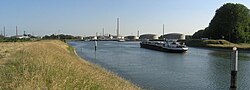
Karlsruhe is situated at an elevation of 115 meters. Its climate is characterized by moderate temperatures, with a record high of 40.2°C and a record low of -20.0°C. The city experiences an average annual precipitation of 750 mm, with the highest rainfall typically occurring in July.
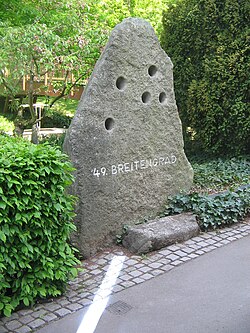
| Metric | Winter (Jan) | Spring (Apr) | Summer (Jul) | Autumn (Oct) | Yearly Average |
|---|---|---|---|---|---|
| Mean Max Temp (°C) | 13.2 | 25.9 | 35.2 | 23.9 | 36.5 |
| Daily Mean Temp (°C) | 2.5 | 11.2 | 20.8 | 11.1 | 11.4 |
| Avg Precipitation (mm) | 57.0 | 45.2 | 77.2 | 66.5 | 750 |
| Sunshine Hours | 57.4 | 196.8 | 257.0 | 111.8 | 1,839.8 |
Notable Landmarks and Architecture
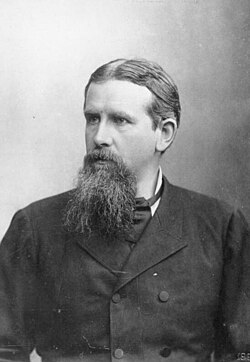
Much of the city's aesthetic was shaped by the architect Friedrich Weinbrenner. His contributions include the Münze (mint) and the original synagogue built in 1798. Another significant site is the Rondellplatz, featuring the 'Constitution Building Columns' (1826), which commemorate the liberal Baden constitution of 1818.
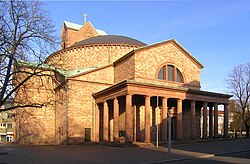
Science, Arts, and Sport
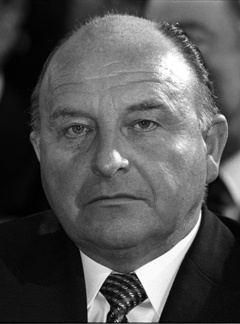
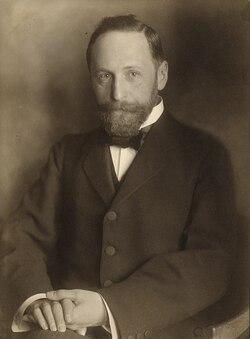
Karlsruhe has been a breeding ground for scientific discovery. Heinrich Hertz discovered electromagnetic waves here in the 1880s, and Richard Willstätter, a Nobel Prize winner in Chemistry (1915), is among its distinguished figures. In the realm of psychology, Erik H. Erikson, a pioneer of identity building, spent time in the city.
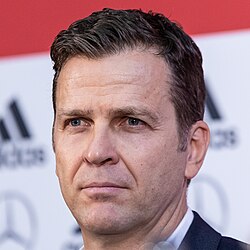
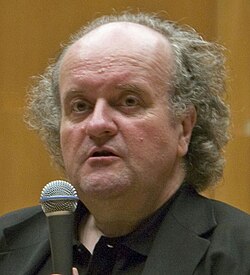
The city's artistic legacy includes the contemporary composer Wolfgang Rihm and the philosopher Peter Sloterdijk. In sports, Karlsruhe is well-represented in football, with figures like Oliver Kahn and Oliver Bierhoff, and the professional club Karlsruher SC.
Government and Administration
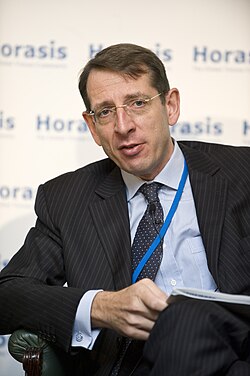
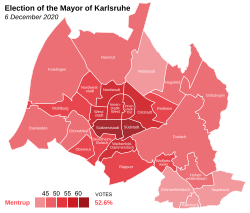
The city is led by a Lord Mayor, a title used since 1812. As of the 2020 election, Frank Mentrup (SPD) serves as the mayor, having won 52.6% of the vote. The city council is currently composed of 48 seats, with Alliance 90/The Greens holding the largest share (12 seats).
Frequently Asked Questions
Who founded the city of Karlsruhe?
Karlsruhe was founded on June 17, 1715, by Margrave Charles III William of Baden-Durlach.
What is the significance of the Karlsruhe Palace?
The palace is the city's most remarkable building and serves as the center from which the city's fan-shaped layout radiates. It also houses the Baden State Museum.
Which famous scientific discovery happened in Karlsruhe?
Heinrich Hertz discovered electromagnetic waves at the University of Karlsruhe during the 1880s.
What is the role of the Karlsruhe Institute of Technology (KIT)?
KIT is one of the nine institutions of higher education in the city and is a major driver of the city's large student population and research profile.
How did World War I affect the city?
Karlsruhe was a target of French air raids, with the most devastating attack occurring on June 22, 1916, resulting in over 260 casualties.