Jim Crow Laws: The History of Racial Segregation in the United States
The Jim Crow laws were a collection of state and local statutes introduced primarily in the Southern United States from the late 19th century through the mid-20th century. These laws were designed to enforce racial segregation, ensuring that African Americans remained socially, politically, and economically marginalized. While the term "Jim Crow" likely originates from a minstrel show song titled "Jump Jim Crow," the laws themselves represented a systemic effort to dismantle the political and economic gains made by Black Americans during the Reconstruction era.
These laws were enacted by white-dominated state legislatures, often referred to as Redeemers, and were further supported by the "Lily-white movement." Although the most rigid legal structures existed in the South, informal and formal segregation policies were present across other regions of the United States as well.
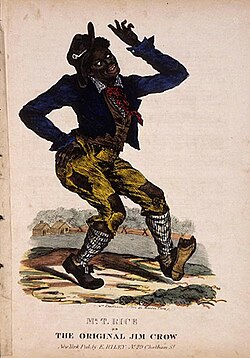
Key Facts
- Duration: Late 19th century to the mid-20th century.
- Core Doctrine: "Separate but equal," which legally permitted segregation if facilities were ostensibly equal.
- Primary Goal: To disenfranchise African Americans and institutionalize second-class citizenship.
- Key Legal Turning Points: Plessy v. Ferguson (1896) upheld segregation; Brown v. Board of Education (1954) declared school segregation unconstitutional.
- Legislative End: The Civil Rights Act of 1964 and the Voting Rights Act of 1965 overturned most remaining Jim Crow laws.
The Legalization of Segregation
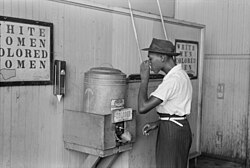
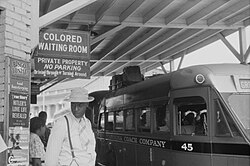
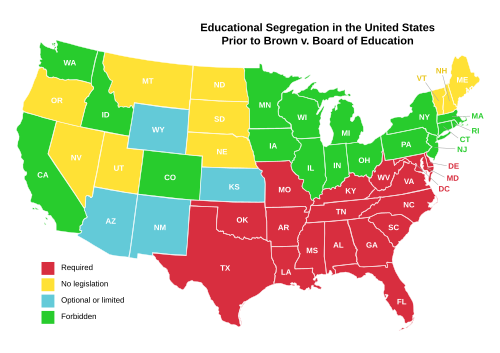
Beginning in the 1870s, Jim Crow laws mandated the segregation of all public facilities. This systemic divide extended to everything from waiting rooms and drinking fountains to public transportation and education. Public education had been largely segregated since its inception during the Reconstruction era after 1863.
The legal foundation for this system was solidified in 1896 with the Supreme Court case Plessy v. Ferguson. In this case, Homer Plessy was arrested for refusing to leave a whites-only rail car. The Court ruled that "separate but equal" facilities were constitutional, providing a legal shield for discrimination for the next 58 years.
![1904 caricature of "White" and "Jim Crow" rail cars by John T. McCutcheon. Despite Jim Crow's legal pretense that the races be "separate but equal" under the law, non-whites were given inferior facilities and treatment.[47]](/images/28/2f/282f0b7ade97e0370faabd7fd5bd1ea44ebd3d572c464cf47d29b0fa5c0a57fa.jpg)
The Reality of "Separate but Equal"
While the law claimed facilities should be equal, in practice, those designated for African Americans were consistently underfunded and inferior. In many instances, no facilities were provided for the Black community at all. This institutionalized a cycle of economic, educational, and social disadvantage.
Political Disenfranchisement
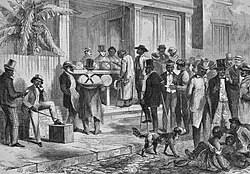
Beyond physical segregation, Jim Crow laws sought to remove African Americans from the political process. State legislatures implemented various barriers to voting, such as poll taxes and literacy requirements. To ensure these laws did not hinder white voters, "grandfather clauses" were often used. For example, in Oklahoma, individuals were exempt from literacy tests if they or their ancestors were qualified to vote before 1866—a condition that effectively only applied to European Americans.
The Path to Dismantling Jim Crow
The fight against segregation gained momentum with the founding of the NAACP (National Association for the Advancement of Colored People) in 1909, which launched sustained campaigns against the "separate but equal" doctrine.
Brown v. Board of Education
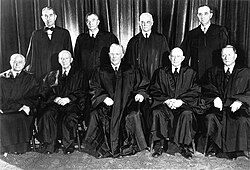
A pivotal shift occurred in 1954 when the U.S. Supreme Court, under Chief Justice Earl Warren, ruled in Brown v. Board of Education of Topeka that state-sponsored segregation in public schools was unconstitutional. This decision challenged the very core of the Jim Crow system, though implementation varied by state and often took years.
The Civil Rights Act and Voting Rights Act
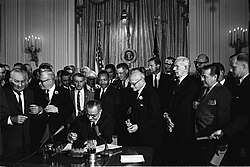
The legal end of Jim Crow was accelerated by the Civil Rights Act of 1964, signed by President Lyndon B. Johnson. This act used the Commerce Clause to outlaw discrimination in privately owned public accommodations, such as hotels, restaurants, and stores. This was further supported by the Supreme Court in Heart of Atlanta Motel, Inc. v. United States (1964). The Voting Rights Act of 1965 subsequently addressed the systemic disenfranchisement of Black voters.
Lasting Legacies and Legal Aftermath
The remnants of Jim Crow persisted in various forms long after the 1960s. One such example was the use of non-unanimous juries in Louisiana and Oregon. In Louisiana, a 10–2 vote could secure a conviction, a practice seen as a remnant of Jim Crow that marginalized minority voices. This was finally nullified by the Supreme Court in Ramos v. Louisiana (2020), requiring unanimous jury votes for criminal convictions at the state level.
Additionally, some states maintained felony disenfranchisement laws. In Mississippi, clauses from the 1890 constitution—designed to target crimes the drafters believed would be mostly committed by Black people—continued to strip voting rights for life for certain low-level crimes.
| Year | Event/Case | Impact |
|---|---|---|
| 1896 | Plessy v. Ferguson | Established the "separate but equal" doctrine. |
| 1909 | Founding of NAACP | Began organized legal and public protest against segregation. |
| 1954 | Brown v. Board of Education | Ruled public school segregation unconstitutional. |
| 1964 | Civil Rights Act of 1964 | Outlawed discrimination in public accommodations and workplaces. |
| 1965 | Voting Rights Act of 1965 | Aimed to overcome legal barriers preventing African Americans from voting. |
| 1967 | Loving v. Virginia | Overturned anti-miscegenation laws (bans on interracial marriage). |
Frequently Asked Questions
What were Jim Crow laws?
Jim Crow laws were state and local statutes in the Southern United States that enforced racial segregation and disenfranchised African Americans from the late 19th century to the mid-20th century.
What does "separate but equal" mean?
This was a legal doctrine established by the Supreme Court in Plessy v. Ferguson (1896), which claimed that racial segregation was constitutional as long as the facilities provided for each race were equal in quality.
How did Jim Crow laws prevent African Americans from voting?
States used tactics such as poll taxes, literacy tests, and "grandfather clauses" to disqualify Black voters while exempting white voters from the same requirements.
Which court case ended school segregation?
The 1954 Supreme Court case Brown v. Board of Education of Topeka ruled that state-sponsored segregation in public schools was unconstitutional.
When did Jim Crow laws officially end?
Most were overturned by the Civil Rights Act of 1964 and the Voting Rights Act of 1965, though some specific laws, like anti-miscegenation laws, were overturned later in 1967 (Loving v. Virginia).