Ivory Coast: A Comprehensive Overview of Côte d'Ivoire
The Republic of Côte d'Ivoire, commonly known as Ivory Coast, is a vibrant nation located in West Africa. Known for its rich biodiversity, diverse ethnic tapestry, and its status as a global leader in cocoa production, the country blends a complex colonial history with a modern, striving economy. From the bustling commercial hub of Abidjan to the political capital of Yamoussoukro, Côte d'Ivoire stands as a pivotal player in the African continent.
The nation is characterized by its motto, 'Union – Discipline – Travail' (Unity – Discipline – Work), reflecting its aspirations for stability and growth following a period of significant political transition.
Key Facts
- Official Language: French
- Capital: Yamoussoukro
- Largest City: Abidjan
- Population: Approximately 31.5 million (2024 estimate)
- Currency: West African CFA franc (XOF)
- Primary Export: Cocoa beans
- Government: Unitary presidential republic
History and Political Evolution
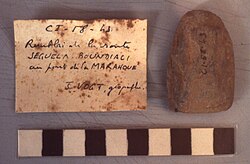
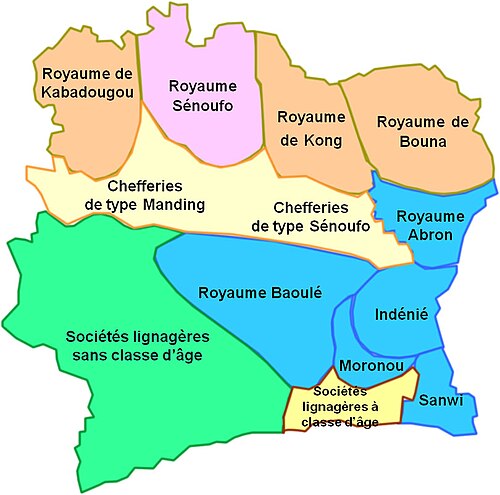
The history of Ivory Coast is a journey from prehistoric settlements to a modern republic. Early evidence of human activity is seen in polished stone celts found in northern regions like Boundiali. Over centuries, the land saw the rise of pre-European kingdoms and the influence of Islamic trade and culture.
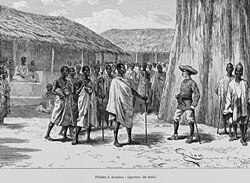
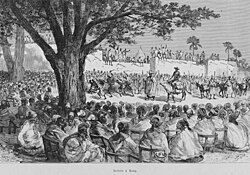
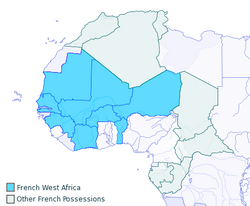
The late 19th century marked the beginning of French colonial influence. Figures such as Louis-Gustave Binger played a key role in establishing French rule through treaties with local leaders, such as those in Famienkro and Kong. This era eventually integrated the region into French West Africa.
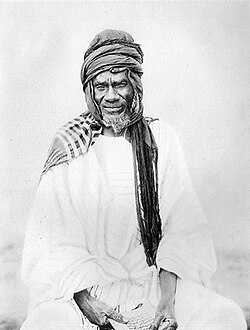
Resistance to colonial rule was notable, led by figures like Samori Touré, the founder of the Wassoulou Empire. However, by the mid-20th century, the movement toward self-governance grew. The Republic was established on December 4, 1958, and the country gained full independence from France on August 7, 1960.
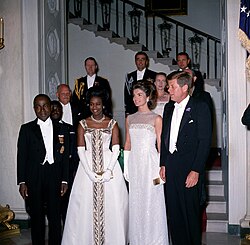
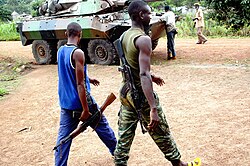
Post-independence, the administration of Félix Houphouët-Boigny steered the country through its early decades of growth. However, the subsequent years were marked by political instability, including two civil wars. The first civil war and the second civil war created significant internal displacement and political fractures.
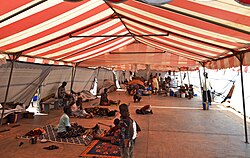
The conflict culminated in the arrest and extradition of former President Laurent Gbagbo to the International Criminal Court (ICC), making him the first head of state to be taken into the court's custody. Today, under the administration of President Alassane Ouattara, the country focuses on economic recovery and political stabilization.
![Former President Laurent Gbagbo was extradited to the International Criminal Court (ICC), becoming the first head of state to be taken into the court's custody.[86]](/images/6f/b3/6fb3a4a9897c4f244c02a5b8a536a14f18331c26d317a0e63fe4df48841a8aff.jpg)
Geography and Demographics
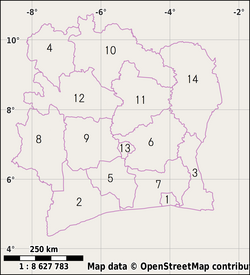
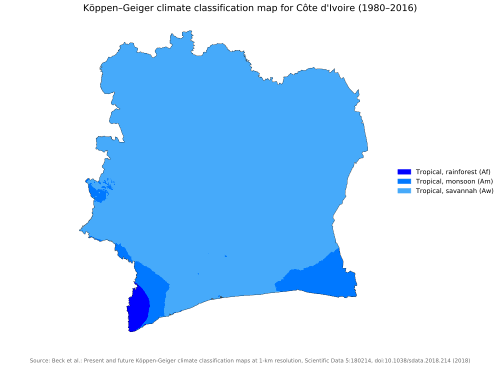
Covering a total area of 322,462 km², Ivory Coast features a varied landscape and climate. The country is divided into several districts to manage its administrative needs efficiently.
The population is highly diverse, with the 2021 census indicating that 78% identify as Ivorian. The ethnic composition is led by the Akan (38%), followed by Northern Mande (22%) and Voltaic/Gur (22%). This diversity extends to religion, with Islam (42.5%) and Christianity (39.8%) being the most prominent faiths.
Economy and Infrastructure
Ivory Coast possesses one of the most dynamic economies in West Africa. Its GDP (PPP) was estimated at $202.647 billion in 2023. The economy is heavily reliant on agriculture, specifically cocoa, where Ivorian farmers play a critical role in the global supply chain.
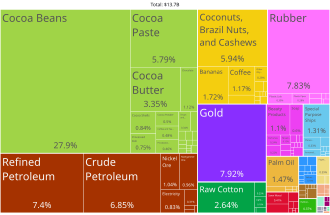
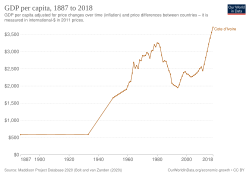
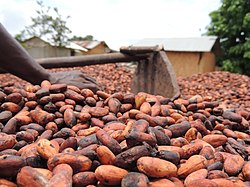
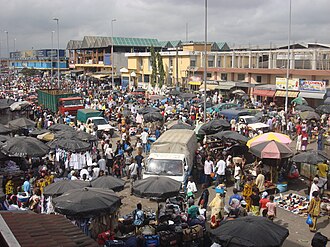
While cocoa remains king, the country has seen a shift toward other crops like rubber. Abidjan serves as the economic heartbeat of the nation, featuring dense markets and significant commercial activity.
Education and Culture
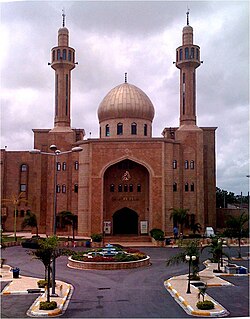
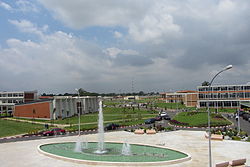
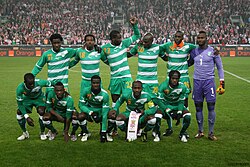
The nation invests in its future through institutions like the Université de Cocody. Culturally, Ivory Coast is a melting pot of traditions, reflected in its architecture—such as the central mosque in Marcory—and its passion for sports, particularly the national football team.
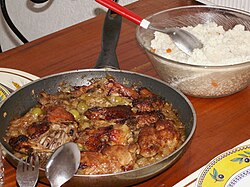
Ivorian cuisine is another highlight of its cultural identity. A popular dish throughout the region is Yassa, typically prepared with chicken or fish, showcasing the bold flavors of West African cooking.
Country Summary
| Category | Detail |
|---|---|
| Official Name | Republic of Côte d'Ivoire |
| Total Area | 322,462 km² |
| Estimated Population (2024) | 31,500,000 |
| Nominal GDP (2023) | $79.430 billion |
| HDI (2023) | 0.582 (Medium) |
| Main Ethnic Groups | Akan, Northern Mande, Voltaic/Gur, Kru, Southern Mande |
Frequently Asked Questions
What is the difference between Ivory Coast and Côte d'Ivoire?
They are the same country. "Côte d'Ivoire" is the official French name, while "Ivory Coast" is the English translation. The government prefers the use of the French name in all official contexts.
Which city is the capital of Ivory Coast?
The political capital is Yamoussoukro, although Abidjan remains the largest city and the primary economic center.
What is the primary driver of the Ivorian economy?
Agriculture is the main driver, with the country being one of the world's largest producers and exporters of cocoa beans.
What are the main religions practiced in the country?
The population is primarily split between Islam (42.5%) and Christianity (39.8%), with a smaller percentage practicing traditional faiths or identifying as non-religious.
When did Ivory Coast gain independence?
Ivory Coast gained its independence from France on August 7, 1960.