The Italian Language: History, Structure, and Global Reach
Italian is a Romance language that serves as a profound cultural bridge between the ancient world and modern civilization. As a descendant of Latin, it has evolved from the spoken vernacular of the Roman Empire into a sophisticated global tongue used in literature, diplomacy, and daily life across several continents.
With approximately 85 million total speakers—including 65 million native speakers—Italian is more than just a national language; it is a linguistic legacy that continues to shape art, music, and international communication.
Key Facts
- Language Family: Indo-European > Italic > Romance > Italo-Western > Italo-Dalmatian > Italo-Romance > Tuscan.
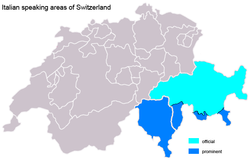
- Official Status: Official language in Italy, San Marino, Switzerland, and Vatican City.
- Global Speakers: Approximately 85 million (65 million L1, 3.1–21 million L2).
- Writing System: Latin script and Italian Braille.
- Primary Origin: Derived from Vulgar Latin via the Tuscan/Florentine dialects.
The Evolution of Italian
From Latin to the Renaissance
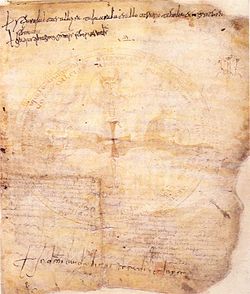
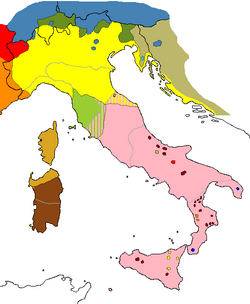
The roots of Italian lie in Vulgar Latin, the common spoken form of Latin used by the people, as opposed to the formal Classical Latin used in literature. Over centuries, this evolved through various stages, including Old Latin and eventually the Tuscan dialects. The transition from regional dialects to a standardized language was heavily influenced by the literary prestige of the Tuscan region.
Literary Giants and Standardization
The development of modern Italian was propelled by monumental literary figures. Dante Alighieri is widely credited with helping establish the language through his epic poetry, which elevated the vernacular to a level of high art. Later, authors like Alessandro Manzoni played a crucial role in promoting the nationwide use of a standardized Italian, ensuring the language could serve as a unified medium for a modern nation.
![Dante Alighieri, whose works helped establish modern Italian language, is considered one of the greatest poets of the Middle Ages. His epic poem Divine Comedy ranks among the finest works of world literature.[27]](/images/08/79/0879181b6859f1fa6e5ea8c7c0aa32632039686d0c3ce1c4c026f6adda161815.jpg)
![Alessandro Manzoni is famous for the novel The Betrothed (1827), ranked among the masterpieces of world literature.[36] He contributed to the nationwide use of the Italian language.[37]](/images/55/23/55232d04188fcee0a5519674565170a3ef041f04daa46ebb119d3d200ec3806c.jpg)
Linguistic Classification and Structure
Language Family Tree
Italian is classified within the Italo-Romance branch. Its lineage follows a specific path: from the broader Indo-European family to the Italic branch, through the Latino-Faliscan group, and into the Romance languages. Specifically, the standard language is rooted in the Tuscan branch, specifically the Florentine dialect.
Phonology and Writing
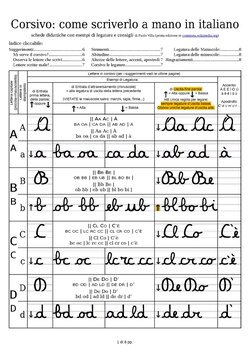
The Italian writing system utilizes the Latin script. The phonology (the system of sounds) is rich, featuring various consonants including labials, dentals, velars, and nasals. A notable feature is the use of specific letter combinations to produce different sounds, such as "CH" for a hard /k/ sound (as in china) versus "C" before front vowels for a /tʃ/ sound (as in ciambella).
Grammar Basics
Italian grammar relies on gender (masculine and feminine) and number (singular and plural). For example, the word for "son" is figlio (masculine singular), which becomes figli in the plural. Similarly, "house" is casa (feminine singular) and becomes case in the plural.
Global Distribution and Minority Status
Official and Recognized Status
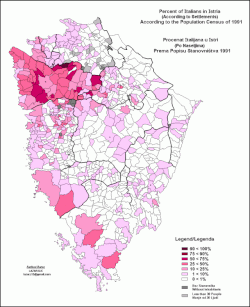
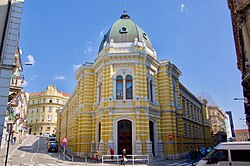
While Italian is the primary language of Italy, San Marino, and Vatican City, it also holds official status in Switzerland. Furthermore, it is recognized as a regional language in the Istria regions of both Slovenia and Croatia. Beyond these official roles, Italian is recognized as a minority language in several countries, including Argentina, Brazil, Croatia, Romania, and Slovenia.
The Italian Diaspora
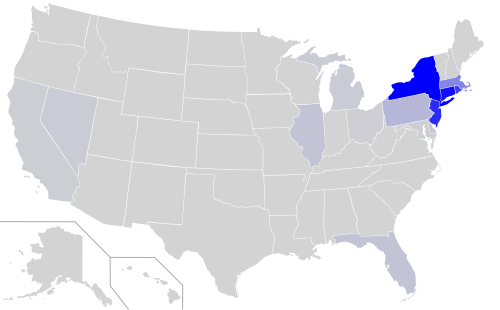
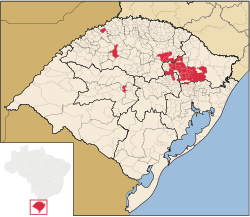
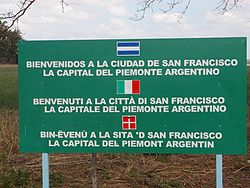
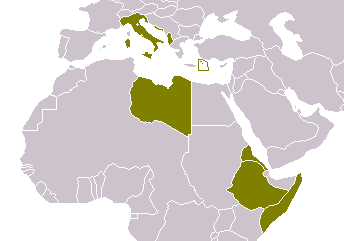
Due to historical migration patterns, notable Italian-speaking communities exist worldwide. In the United States, Italian remains a significant minority language. In Brazil, specific municipalities recognize Talian (a regional variety) as co-official. In Argentina, the linguistic influence is visible in local signage and community traditions.
![Italy's ethno-linguistic minorities[83]](/images/b7/18/b718645a48847487c2b7da79b190674d3d8a38db6a01b738e2c703d6534036b4.webp)
Summary of Italian Language Profile
| Category | Details |
|---|---|
| Total Speakers | ~85 Million |
| Official Countries | Italy, San Marino, Switzerland, Vatican City |
| Language Family | Romance (Italo-Romance) |
| Writing System | Latin Script |
| Key Dialect Origin | Tuscan / Florentine |
Frequently Asked Questions
What is the origin of the Italian language?
Italian evolved from Vulgar Latin, the spoken language of the Roman people. It developed through various regional dialects, eventually standardizing based on the Tuscan/Florentine dialect due to its literary importance.
Where is Italian an official language?
Italian is an official language in four countries: Italy, San Marino, Switzerland, and Vatican City. It also holds official status in the regions of Slovene Istria (Slovenia) and Istria County (Croatia).
Is Italian the same as the regional dialects?
No. Standard Italian is the formal, standardized version of the language. "Regional Italian" refers to the various ways the language is spoken across different parts of Italy, which may incorporate local linguistic influences.
How many people speak Italian worldwide?
There are approximately 85 million speakers in total. This includes about 65 million native speakers (L1) and between 3.1 and 21 million second-language speakers (L2).
What are the main writing systems used for Italian?
The primary writing system is the Latin script (the Italian alphabet). For those with visual impairments, Italian Braille is also used.