Infiltration Tactics: The Evolution of Small-Unit Maneuver in Modern Warfare
In the realm of military strategy, infiltration tactics represent a shift from massed frontal assaults to the use of small, independent light infantry forces. Rather than charging a fortified line, these units advance into enemy rear areas by bypassing strongpoints. This method isolates enemy defenses, leaving them to be neutralized by follow-up troops equipped with heavier weaponry.
The core of this approach is decentralized command. Soldiers are empowered to take the initiative, identifying weak points in the enemy's line and choosing their own routes, targets, and methods of attack. Because this requires a high degree of skill and specialized training, it is often paired with advanced weaponry to provide local combat advantages.
While skirmishers and irregulars used similar methods in classical antiquity, these were typically secondary or defensive measures. For centuries, decisive victories were won through shock combat—massed charges of heavy infantry or cavalry. However, the advent of modern defensive firepower made such charges prohibitively costly, leading to a crisis in offensive strategy during the stalemate of World War I.
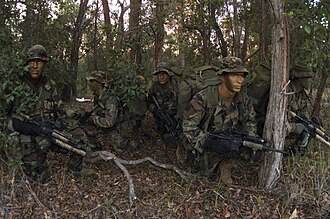
Key Facts
- Core Concept: Bypassing enemy strongpoints to penetrate rear areas and isolate defenses.
- Requirement: High levels of individual soldier training and small-unit initiative.
- WWI Innovation: Developed by Germany's Stoßtruppen (stormtroopers) to break the deadlock of trench warfare.
- Artillery Integration: Often paired with "hurricane bombardments" to maximize shock and confusion.
- Modern Legacy: Forms the basis for modern commandos, Army Rangers, and special forces.
Development During World War I
The German Approach and the Stoßtruppen
Prussian military doctrine had long emphasized Vernichtungsgedanke (the thought of annihilation) through maneuver and force concentration. To apply this to the static environment of the trenches, Captain Willy Rohr began experimenting with Pionier (combat engineer) companies. Initially, these strike teams suffered heavy losses, but Rohr identified a need for better equipment and more rigorous training.
Under the direction of the Oberste Heeresleitung (OHL, German army high command), Rohr developed "modern close combat." This led to the creation of Stoßtruppen (stormtroopers), specialized detachments equipped with steel helmets (Stahlhelme), hand grenades, flamethrowers, light mortars, and light machine guns.
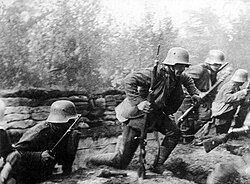
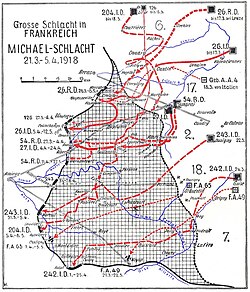
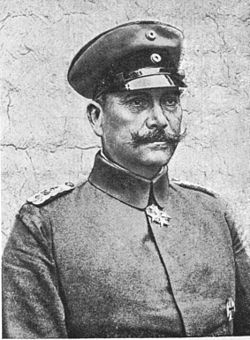
These tactics were refined and scaled, moving from defensive counterattacks to massive offensives. General Oskar von Hutier's 18th Army famously utilized these methods during the 1918 Spring Offensive, advancing over 50 km in less than a week—the most significant movement on the Western Front since 1914.
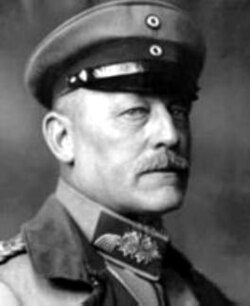
Despite initial stunning success, the German advance eventually stalled. The infantry outpaced their own supply lines and artillery, which struggled to move across the ruined terrain left by previous battles like the Somme.
French Innovations and the Concept of "Nibbling"
France also attempted to integrate infiltration. In April 1915, the Grand Quartier Général (GQG) issued Note 5779, suggesting that first-wave infantry penetrate as deeply as possible, leaving strongpoints for nettoyeurs de tranchée (trench cleaners). However, this was still tied to the doctrine of la percée (the breakthrough)—a rigid, single-plan offensive using continuous waves of reserves.
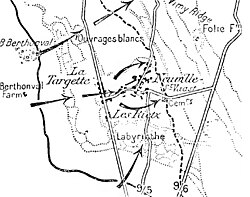
Captain André Laffargue later proposed a more flexible approach in 1915, advocating for mobile firepower to neutralize local resistance and the use of gaps between enemy centers of resistance. While his ideas were published and translated internationally, the French military eventually shifted toward grignotage (nibbling)—a series of small, methodical operations with limited objectives planned by headquarters rather than local initiative.
The Russian Brusilov Offensive
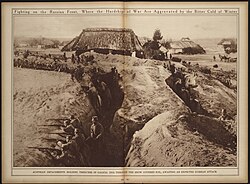
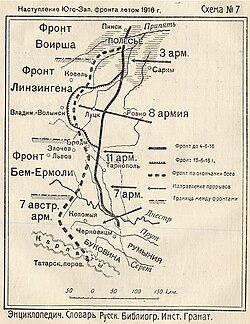
On the Eastern Front, General Aleksei Brusilov employed a different variation. Following a short but intense bombardment, Russian forces achieved breakthroughs at 13 different points. This fragmented the Austro-Hungarian defense, as reserve units often found their routes already overrun by infiltrating Russians. The 8th Army alone advanced 48 km in less than a week.
The Role of Artillery and Specialized Bombardment
The Hurricane Bombardment
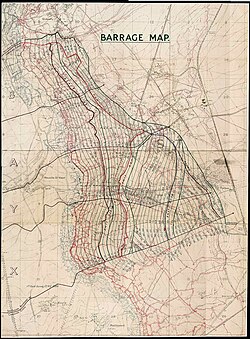
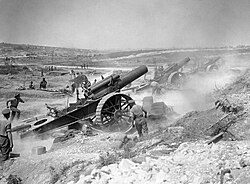
The effectiveness of infiltration was greatly enhanced by Colonel Georg Bruchmüller. He developed the "hurricane bombardment," a short, intense artillery strike designed to neutralize enemy defenses and create chaos without giving the opponent time to react. This coordination between artillery and stormtroopers was pivotal in the German victory at Riga in 1917 and the early stages of the 1918 Spring Offensive.
Post-WWI and Later Applications
By the end of World War II, infiltration tactics had transitioned from the domain of special units to a standard part of training for most regular ground forces. This evolution paved the way for modern specialized units, including long-range reconnaissance patrols, US Army Rangers, and airborne forces.
The utility of these tactics persisted into later conflicts. During the Battle of Dien Bien Phu in 1954, Major Marcel Bigeard used infiltration to defend the besieged French garrison. His parachute assault companies, supported by concentrated air and artillery fire, successfully recaptured the hilltop position of Eliane 1 from a full Viet Minh battalion.
Summary of Infiltration Evolution
| Nation/Unit | Key Concept | Primary Goal | Outcome/Legacy |
|---|---|---|---|
| German Stoßtruppen | Small-unit initiative & specialized gear | Breakthrough of trench lines | Foundation of modern special forces |
| French (Note 5779) | Trench cleaners (nettoyeurs) | Deep penetration (la percée) | Shifted to "nibbling" (grignotage) |
| Russian (Brusilov) | Multiple simultaneous breakthroughs | Fragmentation of enemy lines | Massive gains on the Eastern Front |
| Bruchmüller (Artillery) | Hurricane bombardment | Shock and neutralization | Integrated artillery-infantry coordination |
Frequently Asked Questions
What is the primary difference between infiltration and shock tactics?
Shock tactics involve massed forces charging the enemy's primary line to break it through sheer force. Infiltration tactics involve small units bypassing strongpoints to penetrate the rear, isolating the enemy for later destruction.
Who were the Stoßtruppen?
The Stoßtruppen, or stormtroopers, were specialized German assault detachments in World War I. They were highly trained in close combat and equipped with portable firepower like flamethrowers and light machine guns to lead breakthroughs.
How did the "hurricane bombardment" support infiltration?
Developed by Colonel Georg Bruchmüller, the hurricane bombardment was a short, violent artillery strike that neutralized enemy defenses and caused psychological shock, allowing infiltrating infantry to advance before the enemy could reorganize.
Why did the German 1918 Spring Offensive eventually fail?
Despite the success of infiltration tactics, the German army outran its own logistics. Artillery and supplies could not keep up with the fast-moving infantry over the shell-torn landscape, leaving the troops exhausted and vulnerable.
How are infiltration tactics used in modern armies?
Today, these principles are integrated into the training of most regular infantry and are the cornerstone of special operations forces, such as commandos, Rangers, and long-range reconnaissance patrols.