Hypercarnivores: The Biology and Evolution of Meat-Based Diets
In the natural world, carnivores are not all created equal. While some animals occasionally eat meat, a specific group known as hypercarnivores has evolved to rely almost entirely on animal tissues for survival. By definition, a hypercarnivore is a carnivorous animal whose diet consists of more than 70% meat, obtained through either active predation or scavenging.
While meat is the primary fuel, the remaining portion of their diet may include non-animal sources such as fruits, fungi, or other plant materials. This dietary specialization is seen across a vast array of species, from the smallest spiders to the largest toothed whales.
Key Facts
- Dietary Threshold: A diet consisting of more than 70% meat.
- Obligate Examples: All species in the family Felidae (cats) are natural hypercarnivores.
- Genetic Markers: Shared positive selection in genes DMP1 and PTN for bone repair in mammalian hypercarnivores.
- Biochemical Limit: Inability to biosynthesize arachidonic acid.
- Misconception: Hypercarnivores are not always apex predators; some are prey for other organisms.
Diverse Examples of Hypercarnivores
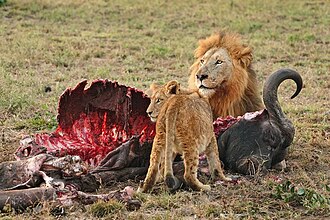
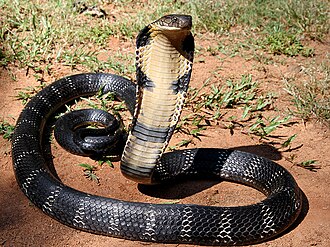
Hypercarnivory is found in a wide variety of taxonomic groups. Common examples include crocodilians, owls, eagles, vultures, and felids. It is also prevalent among certain wild canids, polar bears, snakes, scorpions, mantises, and various fish such as marlins, groupers, piranhas, and most sharks. Odontocetid cetaceans, known as toothed whales, also fall into this category.
The family Felidae provides a clear example of this trait; every species, including the domestic cat, is a hypercarnivore in its natural state.
Interestingly, closely related species can diverge sharply in their dietary habits. For instance, the polar bear and the grizzly bear diverged only 150,000 years ago. Despite this close relationship, the polar bear is highly carnivorous, with meat making up over 90% of its diet, whereas the grizzly bear in many regions is among the least carnivorous, with meat accounting for less than 10% of its intake.
The Science of Specialization
Paleobiology and Dentition
In the field of paleobiology—the study of ancient life—the term hypercarnivore is used to describe extinct taxa that exhibit a specific dental structure. These animals typically show an increased slicing component in their teeth relative to the grinding component, an adaptation designed for shearing meat rather than processing plants.
Genetics and Bone Structure
Research into the genomes of the lion, tiger, leopard, cheetah, domestic cat, polar bear, killer whale, and Tasmanian devil has revealed a shared evolutionary pattern. These mammals show positive selection for two specific genes, DMP1 and PTN, which are related to bone development and repair. This suggests that a reinforced bone structure is a biological necessity for the physical demands of a predatory hypercarnivore lifestyle. Similar evidence of enhanced bone mineralization was found in the extinct Scimitar-toothed cat (Homotherium latidens).
Biochemical Adaptations
Hypercarnivores possess unique metabolic traits. Animals that live almost exclusively on animal-origin food are incapable of biosynthesizing arachidonic acid, an essential fatty acid. This trait has been documented in lions, domestic cats, turbot, and haematophagous (blood-feeding) mosquitoes.
Furthermore, in hypercarnivorous mammals, the enzyme alanine:glyoxylate aminotransferase is expressed primarily or exclusively in the mitochondria. This adaptation allows the animal to metabolize glyoxylate from hydroxyproline, a compound found in animal matter.
Dietary Shifts in Controlled Environments
While hypercarnivores are biologically wired for meat, human intervention can alter their diets. In domestic settings, cats may be fed diets derived from synthetic and plant sources using modern processing. Similarly, farmed alligators and crocodiles are sometimes fed plant-based feed to reduce costs or provide an environmentally friendly alternative.
It is important to note that being a hypercarnivore does not automatically make an animal an apex predator. For example, salmon are exclusively carnivorous, yet they serve as prey for various organisms throughout every stage of their lives.
| Species | Meat Percentage of Diet | Dietary Classification |
|---|---|---|
| Polar Bear | > 90% | Highly Hypercarnivorous |
| Grizzly Bear | < 10% (in many locales) | Low Carnivory / Omnivorous |
Frequently Asked Questions
What defines a hypercarnivore?
A hypercarnivore is an animal whose diet consists of more than 70% meat, whether obtained through active hunting or scavenging.
Are all cats hypercarnivores?
Yes, every species in the family Felidae, including the domestic cat, is a hypercarnivore in its natural state.
Do hypercarnivores have special genetic adaptations?
Yes. Many hypercarnivorous mammals show positive selection for genes like DMP1 and PTN to strengthen bone structure and repair, and they lack the ability to biosynthesize arachidonic acid.
Is a hypercarnivore always at the top of the food chain?
No. While many are, some hypercarnivores are prey for other animals. Salmon are a prime example, as they are exclusively carnivorous but are preyed upon at all life stages.
How do paleontologists identify hypercarnivores in the fossil record?
Paleobiologists look at the dentition of the animal, specifically searching for an increased slicing component compared to the grinding component of the teeth.