Hydrogen Peroxide: Properties, Production, and Industrial Applications
Hydrogen peroxide (H₂O₂) is a versatile chemical compound known for its powerful oxidizing properties. Often recognized in household settings as a mild disinfectant, it is also a critical component in heavy industry, aerospace propulsion, and complex biochemical processes. From its discovery in 1818 by French chemist Louis-Jacques Thenard to its modern-day role in high-tech manufacturing, this substance remains one of the most significant oxygen-based compounds in science.
At its core, hydrogen peroxide is a clear, very light blue liquid with a slightly sharp odor. While it shares similarities with water, its chemical behavior is vastly different due to its unique molecular structure, which allows it to act as both an oxidizing and a reducing agent depending on the environment.

Key Facts
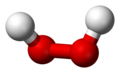
- Chemical Formula: H₂O₂
- IUPAC Name: Peroxol Dioxidane
- Primary Use: Oxidizing agent, disinfectant, and bleaching agent
- Appearance: Very light blue liquid
- Boiling Point: 150.2 °C (decomposes)
- Safety Signal Word: Danger
Chemical Structure and Physical Properties

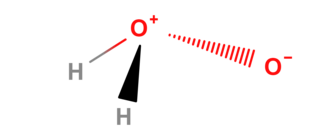
The molecular structure of hydrogen peroxide consists of two hydrogen atoms and two oxygen atoms. Unlike water (H₂O), the oxygen-oxygen bond in H₂O₂ makes the molecule highly reactive. This reactivity is a primary driver of its ability to participate in various chemical transformations.
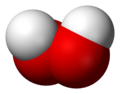
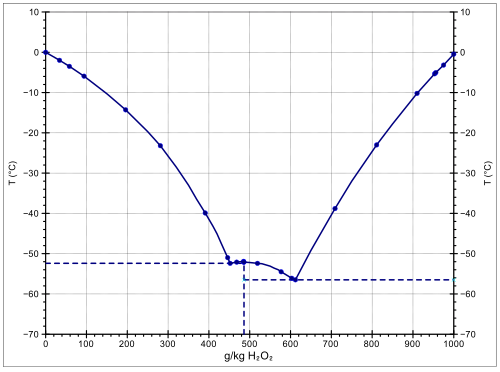
Physically, hydrogen peroxide is miscible in water and soluble in ether, though it is insoluble in petroleum ether. Its density varies significantly with concentration: pure hydrogen peroxide has a density of 1.450 g/cm³, whereas a 3% solution is much closer to that of water at approximately 1.0095 g/cm³.
Comparison of Related Compounds
To understand the unique nature of H₂O₂, it is helpful to compare it to its chemical analogues, such as water and hydrazine.
| Name | Formula | Molar Mass (g/mol) | Melting Point (°C) | Boiling Point (°C) |
|---|---|---|---|---|
| Water | H₂O | 18.02 | 0.00 | 99.98 |
| Hydrogen Peroxide | H₂O₂ | 34.01 | −0.43 | 150.2* |
| Hydrazine | N₂H₄ | 32.05 | 2.00 | 114.00 |
| Hydroxylamine | NH₂OH | 33.03 | 33.00 | 58.00* |
*Indicates extrapolated or approximate values.
Industrial Production Methods

Modern industrial production of hydrogen peroxide primarily utilizes the anthraquinone process. This catalytic cycle involves the reduction of an anthraquinone using hydrogen to produce anthrahydroquinone, which is then oxidized using oxygen to yield hydrogen peroxide and recover the original anthraquinone.

Historically, hydrogen peroxide was prepared through the hydrolysis of ammonium persulfate. However, the anthraquinone method remains the standard for large-scale manufacturing due to its efficiency.
Diverse Applications
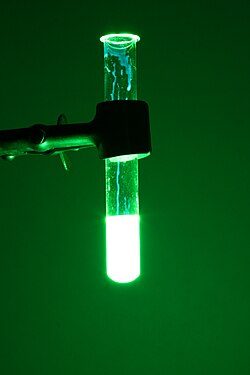
Because of its ability to donate or accept electrons, hydrogen peroxide is utilized across a wide spectrum of industries.
Bleaching and Disinfection
In the consumer sector, hydrogen peroxide is a staple for hair bleaching, oral cleaning, and removing blood stains. Industrially, it is used to produce sodium perborate, a common bleaching agent in laundry detergents. It also serves as a vital disinfectant in sewage treatment and hospital environments.
Aerospace and Propulsion
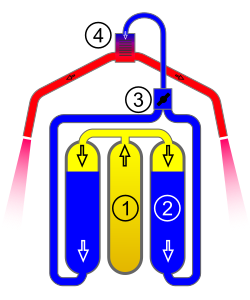
High-concentration hydrogen peroxide is used as a monopropellant in rocket-belt propulsion systems. When decomposed, it provides the necessary thrust for jet packs and other specialized aerospace applications.
Transportation and Storage
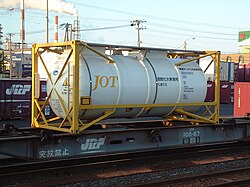
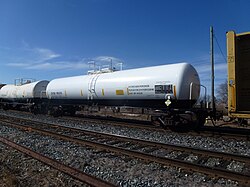
Due to its reactive nature, transporting hydrogen peroxide requires specialized equipment. This includes ISO tank containers and dedicated rail tank cars designed to maintain stability and prevent accidental decomposition.
Safety and Hazards
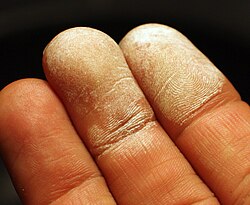
Hydrogen peroxide is classified with the signal word Danger. It is a strong oxidizer and can cause severe skin burns and eye damage. High concentrations can be potentially explosive if subjected to thermal decomposition.

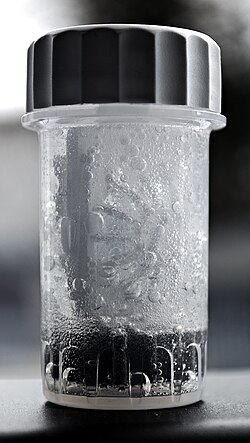
Safety protocols are essential when handling various concentrations. For example, contact lens users must use specific solutions containing a catalytic disc to neutralize the peroxide over time to prevent eye irritation.
Frequently Asked Questions
What is the difference between water and hydrogen peroxide?
While both are composed of hydrogen and oxygen, hydrogen peroxide (H₂O₂) contains an extra oxygen atom and an oxygen-oxygen bond. This makes it a much more reactive oxidizing agent compared to the stable H₂O molecule.
How is hydrogen peroxide used in household cleaning?
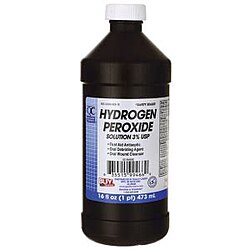
In low concentrations (typically around 3%), it is used as a disinfectant for wounds, an oral cleaning agent, and a method for removing stains like blood from fabrics.
Is hydrogen peroxide flammable?
No, hydrogen peroxide is non-flammable. However, it is a strong oxidizer, meaning it can support combustion and may cause other materials to burn more vigorously.
Why does hydrogen peroxide decompose?
Hydrogen peroxide is inherently unstable and naturally undergoes disproportionation, a process where it breaks down into water and oxygen gas. This process can be accelerated by heat or catalysts.
Can hydrogen peroxide be used for propulsion?
Yes, high-purity hydrogen peroxide is used as a propellant in certain rocket systems, such as jet packs, because it releases significant energy when decomposed.