Honduras: A Comprehensive Overview of History, Geography, and Culture
The Republic of Honduras is a vibrant nation in Central America, defined by its diverse landscapes, rich indigenous heritage, and a complex political history. From the ancient ruins of the Maya to its role as a modern industrial hub in the region, Honduras offers a compelling study of resilience and cultural fusion.
Key Facts
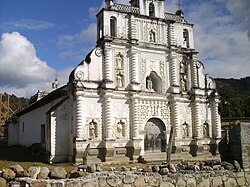
- Capital: Tegucigalpa (the largest city).
- Official Language: Spanish.
- Currency: Lempira (HNL).
- Government: Unitary presidential republic.
- Population: Estimated 10,186,738 by 2026.
- Total Area: 112,492 km².
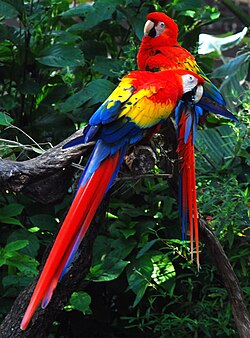
- National Bird: Ara macao (Scarlet Macaw).
Historical Evolution
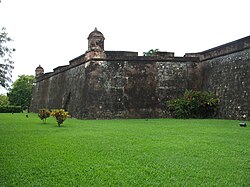
Pre-colonial and Spanish Era
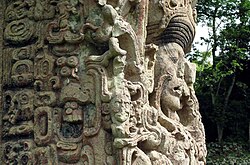
Before European arrival, the region was home to advanced civilizations, most notably the Maya. The site of Copan remains one of the most significant emblems of this era, showcasing the architectural and scientific prowess of the Maya people.
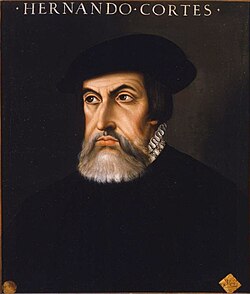
The Spanish conquest began between 1524 and 1539, led by figures such as Hernán Cortés. This period transitioned the region into Spanish Honduras, a colonial administration that lasted until the early 19th century.
The Path to Independence
Honduras underwent a multi-stage process of liberation. It first declared independence from Spain on September 15, 1821. Following a brief period under the First Mexican Empire, it declared independence again on July 1, 1823. Finally, on November 5, 1838, Honduras established itself as a sovereign state after separating from the Federal Republic of Central America.
Modern History and Political Upheaval
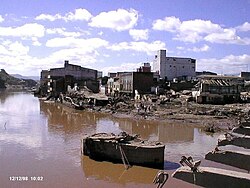
The 20th century was marked by the significant influence of American companies, particularly in the banana industry. The latter half of the century saw periods of instability, including the "Soccer War" of 1969 and the devastating impact of Hurricane Mitch in 1998, which caused massive damage in the capital, Tegucigalpa.
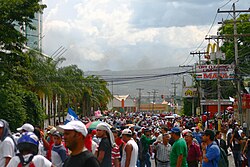
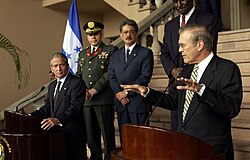
The 21st century has continued to be a period of transition, highlighted by the 2009 coup d'état and the eventual election of Xiomara Castro, the nation's first female president.
Geography and Environment
Topography and Climate
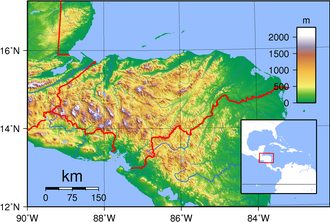
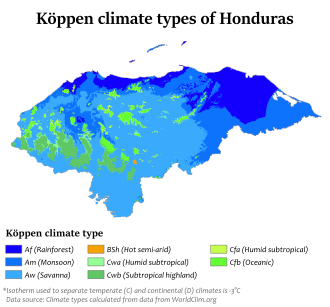
Honduras features a varied topography, ranging from coastal plains to rugged mountainous interiors. Its climate is categorized by various Köppen climate types, which influence the biodiversity and agricultural output of the region.
Biodiversity
The nation is rich in biological diversity, supporting a wide array of flora and fauna. The Ara macao, or Scarlet Macaw, serves as the national bird, symbolizing the country's natural wealth.
Government and Administration
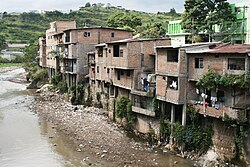
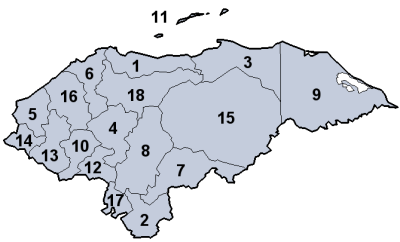
Honduras is organized as a unitary presidential republic. The country is divided into 18 administrative departments, including Francisco Morazán, Cortés, and the Bay Islands.
Foreign Relations
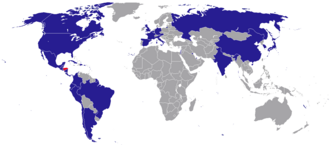
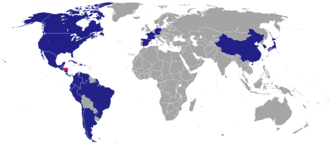
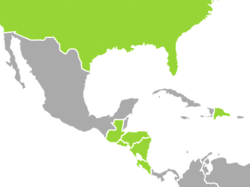
Honduras maintains active diplomatic missions globally and is a member of CAFTA (Central America Free Trade Agreement), which facilitates trade between Central American nations and the United States.
Economy and Infrastructure
Economic Indicators
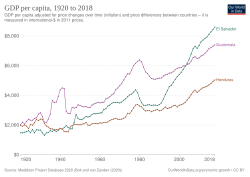
The Honduran economy is characterized by a mix of agriculture and industry. While the GDP (PPP) is estimated at $86.290 billion for 2025, the nation faces challenges with high economic inequality, reflected in a Gini coefficient of 52.1.
Industrial Centers and Urbanization
While Tegucigalpa is the political center, San Pedro Sula is known as "La Capital Industrial," serving as the primary hub for business, commerce, and large-scale manufacturing.
![San Pedro Sula is a major center of business and commerce in Honduras, and is home to many large manufacturers and companies. It is often referred to as "La Capital Industrial".[104]](/images/68/03/6803ff4555452fbcf607f7eaf7b7c0faa44471433390fd5881dd0f7fe6ae7a57.jpg)
Energy and Transport
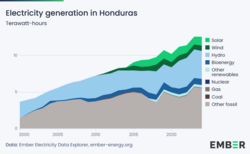
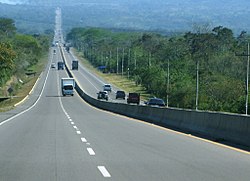
The country is working toward re-balancing tariffs and reducing electricity theft to stabilize its energy sector. Transportation infrastructure continues to develop, with a network of highways connecting major cities.
Demographics and Society
Ethnic Composition
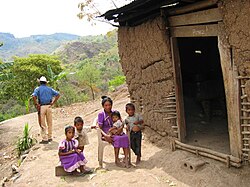
The population is predominantly Mestizo (82.93%), followed by White (7.87%), Indigenous (7.25%), and Black (1.39%) populations.
Linguistic Diversity
While Spanish is the official language, several indigenous languages are spoken, including Garifuna (Arawakan), Mískito, Mayangna, Pech/Paya, Tol, and Ch'orti'.
Culture and National Identity
Traditions and Art
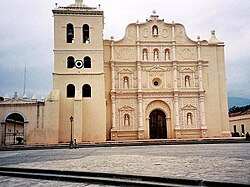
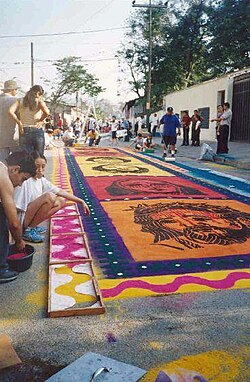
Honduran culture is a blend of indigenous and Spanish influences. This is evident in its religious architecture, such as the Cathedral of Comayagua, and unique celebrations like the sawdust carpets created during Easter in Comayagua.
Sports
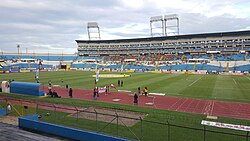
Football is the most popular sport, with the Estadio Olímpico Metropolitano in San Pedro Sula serving as the official ground for FIFA World Cup Qualifiers. Baseball also has a presence, highlighted by Mauricio Dubón, the first born-and-raised Honduran to play in the MLB.

Summary Table: Honduras at a Glance
| Category | Detail |
|---|---|
| Official Name | República de Honduras |
| Motto | Libre, Soberana e Independiente |
| GDP per capita (Nominal 2025 est.) | $3,640 |
| HDI (2023) | 0.645 (Medium) |
| Largest City | Tegucigalpa |
| Industrial Hub | San Pedro Sula |
Frequently Asked Questions
What is the significance of San Pedro Sula?
San Pedro Sula is the industrial heart of Honduras, often called "La Capital Industrial." It is a major center for commerce and home to many of the country's largest manufacturers.
Which indigenous languages are spoken in Honduras?
The main indigenous languages include Garifuna, Mískito, Mayangna, Pech/Paya, Tol, and Ch'orti'.
What was the impact of Hurricane Mitch?
Hurricane Mitch, which struck in 1998, caused massive destruction across the country, particularly in the capital city of Tegucigalpa.
How is the Honduran government structured?
Honduras is a unitary presidential republic with a National Congress serving as the legislature.
What is the Lempira?
The Lempira (HNL) is the official national currency of Honduras.