Costa Rica: A Comprehensive Overview of the Rich Coast
Known locally as the República de Costa Rica, this Central American nation derives its name from the Spanish term for "Rich Coast." From its lush biodiversity to its stable democratic governance, Costa Rica has established itself as a unique leader in the region. Whether through its commitment to environmentalism or its vibrant cultural identity, the country offers a profound look into a society that prioritizes peace and progress.
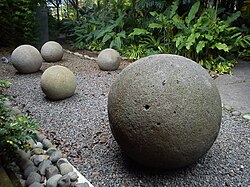
Key Facts
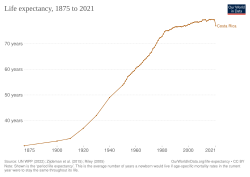
- Capital: San José
- Official Language: Spanish
- Motto: "¡Vivan siempre el trabajo y la paz!" (May work and peace always live!)
- Currency: Costa Rican colón (CRC)
- Government Type: Unitary presidential republic
- Population: Approximately 5.04 million (2022 census)
Geography and Climate
Costa Rica covers a total area of 51,179.92 km², with water accounting for approximately 1.05% of its territory. The nation is divided into several administrative provinces, which serve as the primary divisions for local governance.
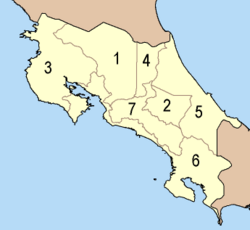
The country's diverse landscape supports a wide range of ecosystems. The climate varies significantly across the territory, which can be categorized using the Köppen climate classification—a system used to define climates based on temperature and precipitation patterns.
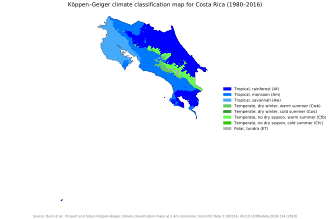
Flora and Fauna
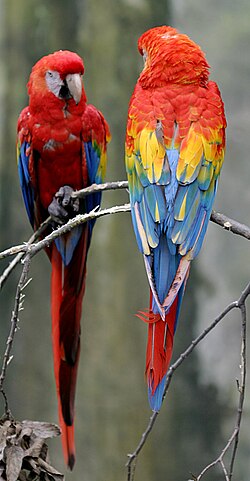
The nation is world-renowned for its biological diversity. Its ecosystems provide habitats for numerous species, including the iconic scarlet macaw, which is native to the region.
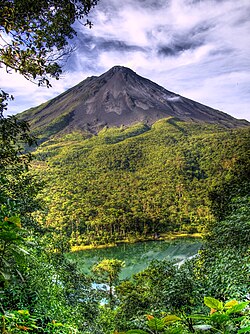
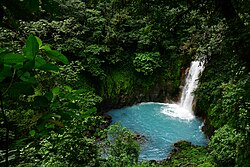
From the volcanic peaks to the coastal rainforests, the natural beauty of Costa Rica is a primary driver for its tourism industry. Notable locations include the Arenal Volcano National Park and the Tenorio Volcano National Park, the latter of which is home to stunning waterfalls.
History and Governance
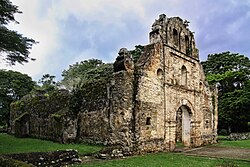
The history of Costa Rica is marked by its journey toward independence. The nation gained independence from Spain on 15 September 1821, later separating from the First Mexican Empire in 1823 and the Federal Republic of Central America in 1838. It was officially recognized by Spain in 1850.
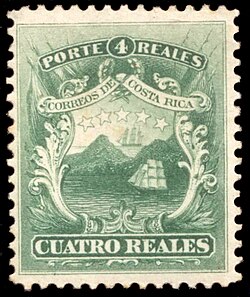
Today, Costa Rica operates as a unitary presidential republic. The government is led by a President, currently Laura Fernández, supported by a First Vice President and a Second Vice President. The legislative power is held by the Legislative Assembly. A defining characteristic of the nation is its commitment to pacifism, notably through the abolition of its military.
Economy and Development
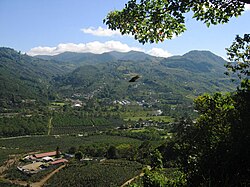
Costa Rica has transitioned from a traditional agricultural economy to a more diversified modern economy. Historically, coffee production played a vital role in the nation's growth, a tradition that continues in regions like the Orosí Valley.
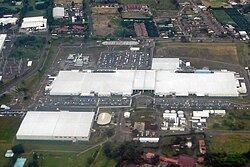
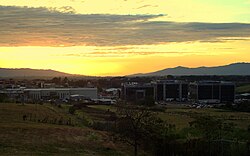
In recent decades, the country has attracted significant foreign investment, particularly in high-tech sectors. For example, Intel's microprocessor facility has had a substantial impact on the national economy, at one time accounting for 5% of the country's GDP and 20% of its exports.
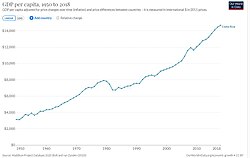
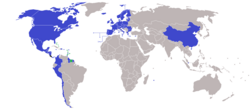
The economy is also bolstered by a robust tourism sector and various Free Trade Agreements (FTAs) with multiple countries. The nation's development is reflected in its Human Development Index (HDI), which reached a "very high" rating in 2023.
Society and Culture
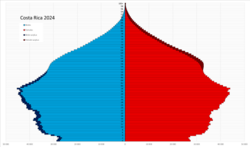
The Costa Rican people, often referred to by the demonyms Costa Rican or Tico(a), possess a rich cultural tapestry. The population is diverse, with the largest ethnic group being White or Mestizo (83.6%), followed by Mulatto, Indigenous, and Black communities.
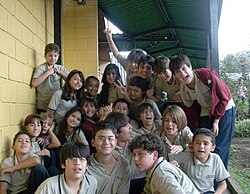
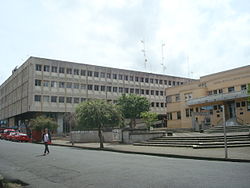
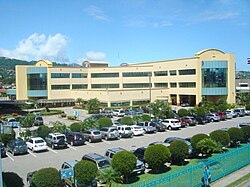
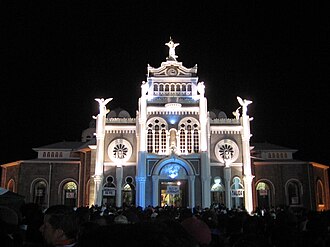
Religion plays a significant role in social life, with 72.6% of the population identifying as Christian, the majority of whom are Catholic. Education and health are also central pillars of society. The University of Costa Rica stands as a major academic institution, while the country's healthcare system is noted for its accessibility, supported by institutions like Hospital Calderón Guardia and private facilities like Hospital CIMA.
![The University of Costa Rica is the largest university in the country and one of the most recognizable[why?] across Central America.](/images/24/16/2416226f22c1f8053ac97ec110df65ddf8d947228112d2dff26f0b46cfa57220.jpg)
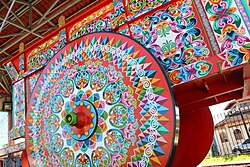
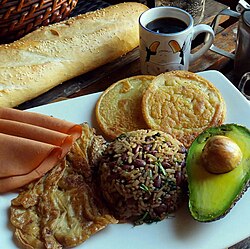
Cultural symbols, such as the Las Carretas (oxcarts), and traditional foods like gallo pinto, are integral to the national identity. Sports, particularly football, also command significant passion, as seen in the enthusiastic support for the national team during international competitions.

Summary of National Data
| Category | Details |
|---|---|
| Total Area | 51,179.92 km² |
| GDP (Nominal) 2025 Est. | $102.591 billion |
| GDP (PPP) 2025 Est. | $169.034 billion |
| HDI (2023) | 0.833 (Very High) |
| Official Language | Spanish |
Frequently Asked Questions
What is the meaning of "Pura Vida"?
While not explicitly defined in the data, "Pura Vida" is a widely used expression in Costa Rica that reflects the country's relaxed and positive lifestyle.
What are the main ethnic groups in Costa Rica?
According to 2021 data, the largest group is White or Mestizo (83.6%), followed by Mulatto (6.7%), Indigenous (2.4%), and Black (1.1%).
How is the economy of Costa Rica structured?
The economy is a mix of traditional agriculture (such as coffee), a strong tourism sector, and high-tech industries supported by foreign investment and free trade agreements.
What is the political system of Costa Rica?
Costa Rica is a unitary presidential republic, characterized by its democratic stability and the absence of a standing military.
What are the major cities and administrative divisions?
San José is the capital and largest city. The country is divided into provinces, including Alajuela, Cartago, Guanacaste, Heredia, Limón, Puntarenas, and San José.