Head of State: Roles, Systems, and Constitutional Models
A head of state serves as the highest representative and public persona of a sovereign state. Depending on a country's specific form of government and its separation of powers, the nature of this office varies wildly. In some nations, the head of state wields immense executive authority; in others, the role is almost entirely ceremonial, acting as a symbol of national unity rather than a political decision-maker.
The distinction between the head of state and the head of government (the official responsible for running the day-to-day administration of the state) is a central feature of many global political systems. While these two roles are often separate, they can also be merged into a single office.
Key Facts
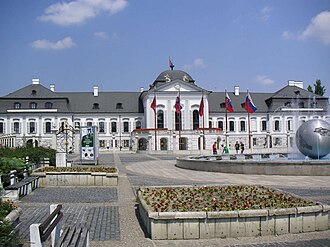
- Presidential Systems: The head of state and head of government are the same person.
- Parliamentary Systems: Typically feature a separate head of state (ceremonial) and head of government (executive).
- Semi-Presidential Systems: Executive power is shared between a president and a prime minister.
- Monarchies: Can range from absolute rulers to purely symbolic figures.
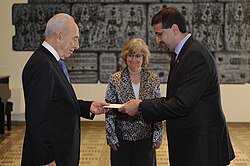
- Diplomatic Role: Nearly all heads of state represent their country in international relations and receive foreign ambassadors.
Constitutional Models of Governance
The distribution of power is defined by the constitutional model a country adopts. These models determine whether the head of state is an active political leader or a figurehead.
Parliamentary Systems
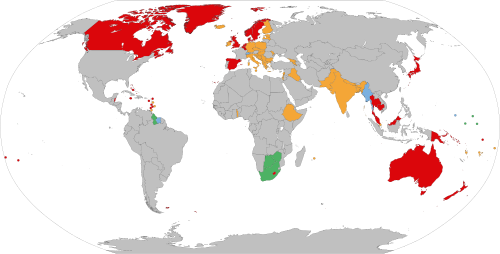
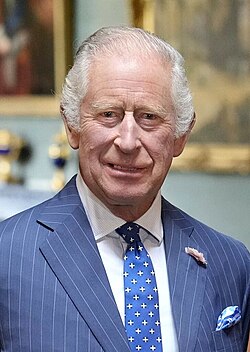
In a standard parliamentary system, such as those in the United Kingdom or India, the head of state holds mostly ceremonial powers. However, there are variations:
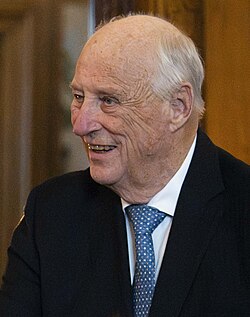
- Non-executive model: The head of state has no meaningful political power (e.g., Japan and Sweden).
- Executive model: The head of state may still possess significant powers despite not being the primary head of government (e.g., Morocco).
- Combined role: In some parliamentary systems, like South Africa, an executive president serves as both head of state and head of government.
Presidential and Semi-Presidential Systems
In a presidential system, the head of state is also the head of government, concentrating executive authority in one office. George Washington, the first U.S. president, established the precedent for this executive head of state in republican systems.
![George Washington, the first president of the United States, set the precedent for an executive head of state in republican systems of government.[18]](/images/58/1a/581aa83b9b38a0e38ddead45471dc069f809704ea939ec204d377499f9bcb08d.jpg)
A semi-presidential system, such as that of France, combines elements of both. Here, a president and a prime minister exercise executive power alongside each other. The actual balance of power often shifts based on the political influence and public confidence enjoyed by each leader.
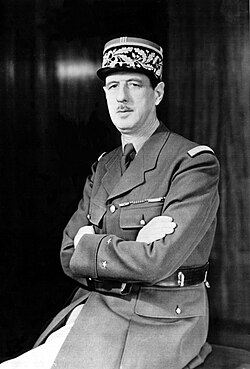
The Multifaceted Roles of a Head of State
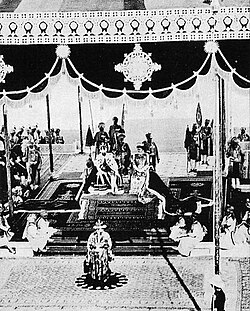
Regardless of the system, heads of state generally perform several core functions, though the extent of their authority varies.
Symbolic and Diplomatic Roles
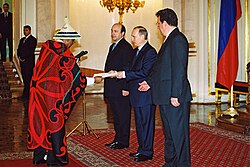
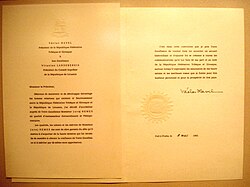
The head of state is the primary symbol of the nation. This includes receiving credentials from foreign ambassadors and directing foreign policy. For example, the President of the Russian Federation is constitutionally tasked with directing foreign policy and signing international treaties.
Executive and Military Roles
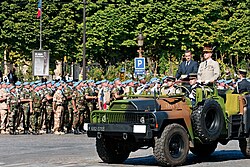
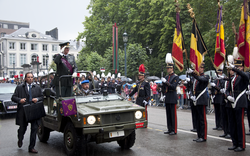
In executive systems, the head of state may appoint and dismiss ministers or judges. In the United States and Brazil, the president holds significant appointment powers. Militarily, the head of state often serves as the Commander-in-Chief or the formal head of the armed forces, as seen in France, Norway, and Italy.
Legislative and Legal Prerogatives
Legislative roles can include signing and promulgating laws, vetoing bills (as in the U.S. and Brazil), or summoning and dissolving the legislature. Additionally, many heads of state possess the right of pardon, allowing them to grant clemency or substitute less severe punishments for convicted individuals.
Summary of Governance Models
| System Type | Head of State Role | Head of Government Role | Example Countries |
|---|---|---|---|
| Parliamentary (Standard) | Ceremonial/Symbolic | Separate (Prime Minister) | UK, India, Japan |
| Presidential | Executive | Same person (President) | USA, Brazil |
| Semi-Presidential | Executive/Shared | Separate (Prime Minister) | France, Russia |
| Executive Monarchy | Executive | Often the Monarch | Qatar |
Legitimacy and Succession
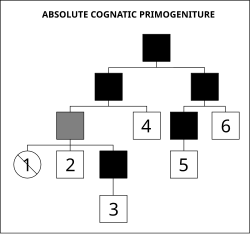
The authority of a head of state is derived from various sources of legitimacy. Some are determined by hereditary succession (common in monarchies), while others are chosen through election (direct or indirect) or appointment. Other forms of legitimacy include divine appointment, constitutional mandate, or even the result of a revolution or foreign imposition.
Frequently Asked Questions
![The National Monument to Emperor Wilhelm I in Berlin, Germany, dedicated 1897, nearly 10 years after his death. The monument was destroyed by the communist government in 1950.[87]](/images/8d/34/8d3426c05a9dababba1dd8f7abbe64f93509c3b7b09eedfd380d431a08d34083.jpg)
What is the difference between a head of state and a head of government?
The head of state is the highest representative of a country and serves as its public face, while the head of government is the official responsible for the actual administration of the state's executive branch. In some systems, these are two different people; in others, one person holds both roles.
Can a head of state be purely ceremonial?
Yes. In many parliamentary republics and constitutional monarchies, such as Japan or Sweden, the head of state has no meaningful political power and performs only symbolic duties.
What is a semi-presidential system?
A semi-presidential system is a hybrid model where a president (head of state) and a prime minister (head of government) both exercise executive power. The distribution of this power often depends on the political climate and the influence of each leader.
How is a head of state typically chosen?
Depending on the system, they may be inherited (monarchies), elected by the people (presidential republics), elected by a parliament (some parliamentary republics), or appointed through other constitutional processes.
What are "reserve powers"?
Reserve powers are exceptional authorities that a head of state can exercise in specific, often crisis-driven, circumstances, even if they typically hold a ceremonial role.