British Royal Family: Roles, Membership, and Modern Challenges
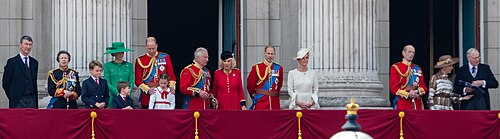
The British royal family, currently led by King Charles III, serves as the symbolic heart of the United Kingdom's constitutional monarchy. While there is no single legal definition that dictates exactly who is a member, the Royal Household provides official lists to identify those recognized as part of the family. Beyond their titles, members of the royal family act as ambassadors for the UK, blending ancient tradition with modern public service.
The family's primary function is to support the monarch in executing a vast array of public engagements. These duties range from ceremonial roles and national commemorations to diplomatic state visits and the patronage of various organizations. Through these activities, the monarchy contributes significantly to the United Kingdom's soft power—the ability to influence international perceptions and build relationships through cultural and diplomatic appeal rather than coercion.
Key Facts
- Current Head: King Charles III.
- Primary Roles: Diplomatic, ceremonial, and charitable duties across the UK, Overseas Territories, and Crown Dependencies.
- Key Initiatives: The King's Trust and The Royal Foundation, focusing on mental health, conservation, and youth development.
- Framework: Operates under a constitutional monarchy where succession is governed by statute and convention.
- Public Sentiment: A June 2026 IPSOS poll indicated a 33-year low in overall approval, with only 33% approval among 18-34 year olds.
Membership and Succession
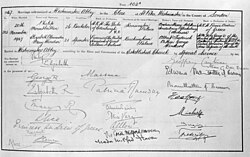
The structure of the royal family is a complex web of lineage and titles. Succession is determined by long-standing conventions and legal statutes, ensuring a clear line of inheritance for the throne. The family tree extends from the era of King George V and Queen Mary through to the current generation, including the children of the Prince and Princess of Wales.
The Working Royal Structure
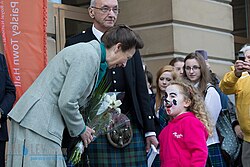
While many individuals are members of the family by birth, only a subset are "working royals" who undertake official engagements. This group includes the King, Queen Camilla, the Prince and Princess of Wales, and other senior members who represent the Crown. These individuals often engage in "walkabouts"—a tradition of meeting members of the public informally during official visits.
Public Roles and Recent Transitions
The availability of royal family members to cover official duties has shifted in recent years. In 2019, the Duke of York stepped back from public roles following an interview regarding the Epstein scandal, a move that became permanent in 2020. Similarly, the Duke and Duchess of Sussex permanently stepped back from royal duties in early 2020.
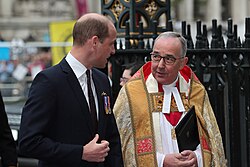
These departures have led to a shortage of available senior royals to manage the increasing number of patronages and official engagements. To mitigate this, other members, such as the Princess Royal and the Duke of Edinburgh, have taken on more prominent roles as stand-ins for the King.
Funding and Residences
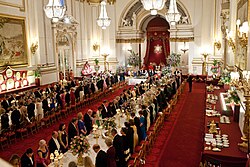
The monarchy maintains several official residences that serve as both homes and administrative hubs. Buckingham Palace serves as the official residence of the British monarch and is frequently used for state banquets and official receptions. Other key residences include Windsor Castle, St James's Palace, and Clarence House.
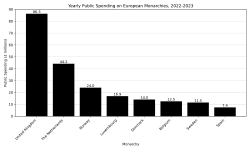
The financial support of the monarchy is a subject of ongoing public interest, with spending tracked annually across European monarchies to compare costs and efficiency.
Summary of Royal Framework
| Category | Details |
|---|---|
| Governance | Constitutional Monarchy |
| Primary Residences | Buckingham Palace, Windsor Castle, Clarence House |
| Key Foundations | The King's Trust, The Royal Foundation |
| Core Duties | State visits, diplomatic representation, charitable patronage |
Frequently Asked Questions
Who defines who is a member of the royal family?
There is no fixed legal definition; however, the Royal Household issues lists identifying those regarded as members of the family.
What are the primary charitable focuses of the royal family?
Through organizations like The Royal Foundation and The King's Trust, the family focuses on early childhood, mental health, conservation, and youth development.
Why has there been a shortage of working royals?
The permanent withdrawal of the Duke and Duchess of Sussex and the Duke of York from public roles has reduced the number of members available for official engagements.
How is the succession to the throne determined?
Succession is determined by a combination of legal statutes and long-standing conventions.
What is the role of the royal family in international relations?
The family represents the United Kingdom internationally, utilizing their public presence and ceremonial roles to enhance the country's soft power.