George V: The Unexpected King and Founder of the House of Windsor
George V (George Frederick Ernest Albert) served as the King of the United Kingdom and the British Dominions, and the Emperor of India, from May 6, 1910, until his death in 1936. Born into a position where he was not expected to ascend the throne, his life transitioned from a dedicated naval career to the leadership of a global empire during one of the most tumultuous periods in human history.
George was the second son of the Prince and Princess of Wales (later King Edward VII and Queen Alexandra) and the grandson of Queen Victoria. For much of his early life, he remained third in the line of succession, behind his father and his elder brother, Prince Albert Victor. It was only after his brother's unexpected death in January 1892 that George became the direct heir to the throne.
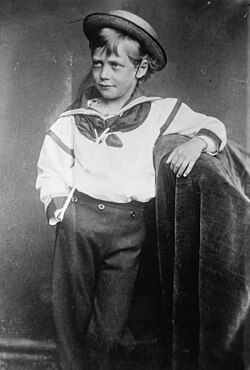
Early Life and Naval Career
Educated alongside his brother under the tutelage of John Neale Dalton, George did not initially excel in academic pursuits. Following his father's belief that the navy provided the best possible training for a young man, George joined the cadet training ship HMS Britannia at Dartmouth in September 1877 at the age of 12.
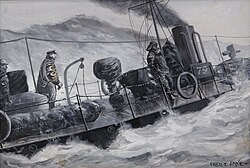
His active service in the Royal Navy spanned from 1877 to 1892. During this time, he gained practical command experience, leading vessels such as Torpedo Boat 79, HMS Thrush, and HMS Melampus.
Path to the Throne
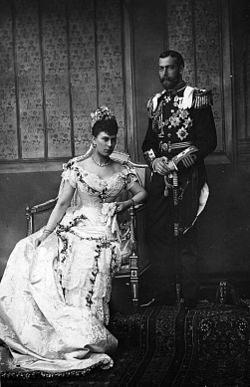
Following the death of his brother in 1892, George's life shifted toward royal preparation. In 1893, he married Princess Victoria Mary of Teck, who had previously been engaged to his late brother. Together, they had six children: Edward, Albert, Mary, Henry, George, and John.
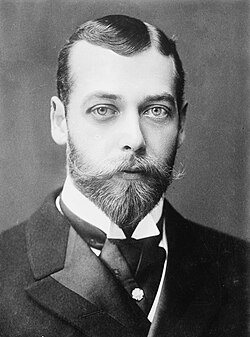
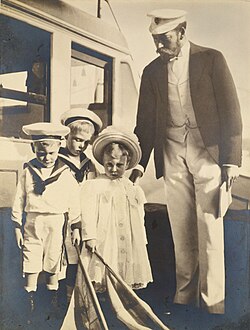
Upon the death of Queen Victoria in 1901, George's father became King Edward VII, and George was created the Prince of Wales. He eventually ascended the throne on May 6, 1910, following his father's passing.
The Reign of King George V
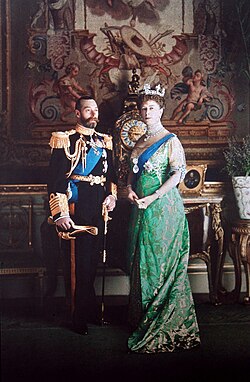
The coronation of George V and Queen Mary took place at Westminster Abbey on June 22, 1911. This event was accompanied by the Festival of Empire in London. In December 1911, the royal couple traveled to India for the Delhi Durbar, where they were presented as Emperor and Empress of India. During this ceremony, George wore the Imperial Crown of India and announced the relocation of the Indian capital from Calcutta to Delhi.
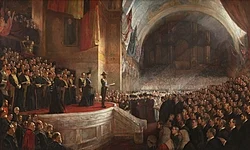
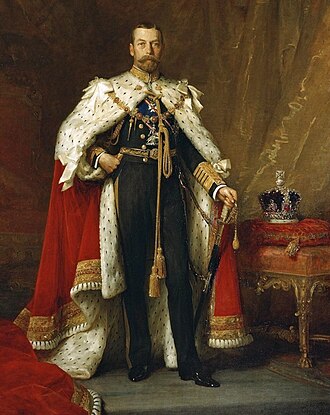
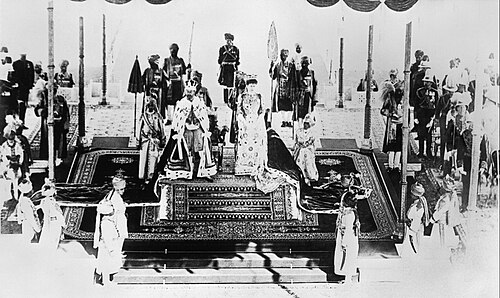
George was known for his skill as a marksman and his passion for big game hunting. During a visit to Nepal, he shot 21 tigers, 8 rhinoceroses, and a bear over a ten-day period. He also participated in high-volume pheasant shoots, once contributing to a party that shot over a thousand birds in six hours.
World War I and the House of Windsor
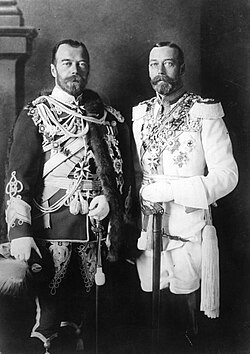
The outbreak of the First World War in 1914 placed George in a complex position. The German Kaiser Wilhelm II, who became the face of the enemy for the British public, was the King's first cousin. Because of his paternal grandfather, Prince Albert of Saxe-Coburg and Gotha, George and his children held German titles.
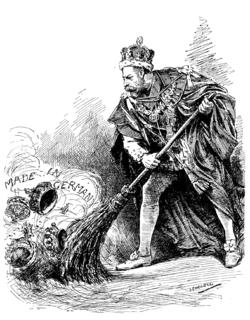
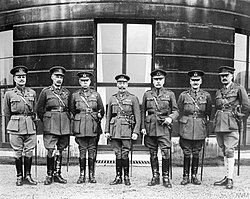
To distance the monarchy from its German associations during the war, George took decisive action. In December 1917, he restricted the style of "Royal Highness" and the title of "Prince/Princess of Great Britain and Ireland" to the immediate family of the Sovereign. He also removed the Garter flags of German relations from St George's Chapel.
Post-War Era and Final Years
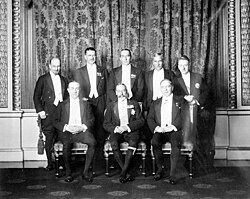
Following the war, the British Empire reached its territorial peak in 1920. George continued to lead the Commonwealth through significant transitions, including the 1926 Imperial Conference where he met with prime ministers from across the Dominions.
![The British Empire reached its territorial peak in 1920.[84]](/images/02/a4/02a4c74dc445f3cedee6071be7ee04ae94d174ec3a047c8decf1d8856a9bf4b8.png)
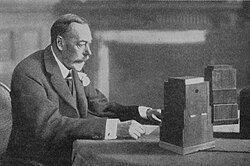
George V embraced new technology to connect with his subjects, delivering the first recorded Royal Christmas Message on December 25, 1932.
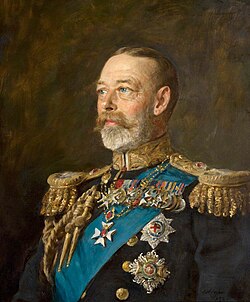
His health declined in the mid-1930s, exacerbated by the death of his favorite sister, Victoria, in December 1935. He passed away on January 20, 1936, at Sandringham House at the age of 70. He was buried in the Royal Vault of St George's Chapel, Windsor Castle.
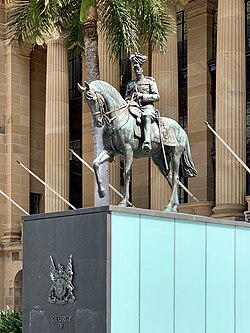
Key Facts
- Reign: May 6, 1910 – January 20, 1936.
- Naval Service: Served in the Royal Navy from 1877 to 1892.
- Dynastic Change: Founded the House of Windsor by distancing the monarchy from the House of Saxe-Coburg and Gotha.
- Imperial Role: The only Emperor of India to attend his own Delhi Durbar.
- Innovation: Pioneered the Royal Christmas broadcast in 1932.
- Financial Legacy: Amassed a private fortune of approximately £3,000,000.
| Category | Details |
|---|---|
| Full Name | George Frederick Ernest Albert |
| Spouse | Mary of Teck |
| Predecessor | Edward VII |
| Successor | Edward VIII |
| Birth Date | June 3, 1865 |
| Death Date | January 20, 1936 |
| Primary Residence | Sandringham House, Norfolk |
Frequently Asked Questions
Why did George V change the name of the royal house?
During World War I, anti-German sentiment in Britain was high. Because the royal family belonged to the House of Saxe-Coburg and Gotha, George V changed the name to the House of Windsor to emphasize their British identity and distance the monarchy from the German Empire.
What was George V's relationship with Kaiser Wilhelm II?
They were first cousins. Despite their family ties, they found themselves as heads of state for opposing nations during the First World War.
How did George V contribute to royal communication?
He modernized the monarchy's connection to the public by delivering the first recorded Royal Christmas Message via radio in 1932.
What was George V's military background?
Before becoming king, George spent 15 years in the Royal Navy (1877–1892), where he commanded several vessels, including Torpedo Boat 79 and HMS Melampus.
What happened to George V's estate after his death?
He left a private fortune of approximately £3,000,000, which was divided equally (£750,000 each) among his four surviving younger children: Albert, Mary, Henry, and George.