The Life and Legacy of Queen Victoria: A Reign of Transformation
From her accession as a young woman in 1837 to the end of her long reign in 1901, Queen Victoria presided over an era of unprecedented change. Known as the matriarch of Europe, her life was defined by profound personal devotion, the expansion of the British Empire, and a series of historic milestones that reshaped the global political landscape.
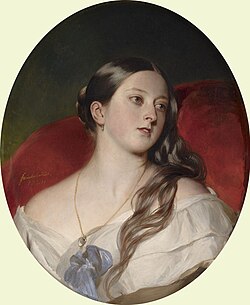
Born Princess Alexandrina Victoria of Kent on 24 May 1819 at Kensington Palace, she ascended to the throne on 20 June 1837. Her reign would span over six decades, making her one of the most influential monarchs in history.
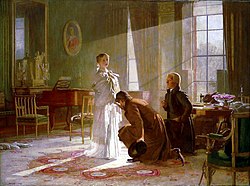
The Early Years and Coronation
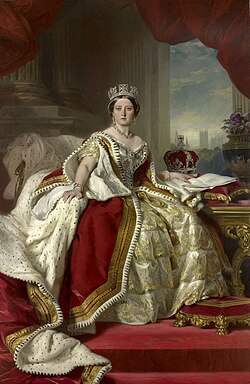
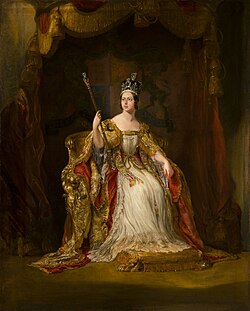
Victoria's path to the throne was marked by both excitement and early challenges. Following her accession, she underwent her formal coronation on 28 June 1838. During these formative years, she navigated the complexities of royal duty while establishing her own identity as a sovereign.
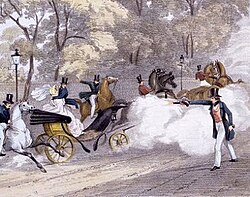
The early years of her reign were not without peril. In 1840, she faced an assassination attempt by Edward Oxford, an event that highlighted the vulnerabilities of the monarchy during a period of social upheaval.
Marriage and the Partnership with Prince Albert
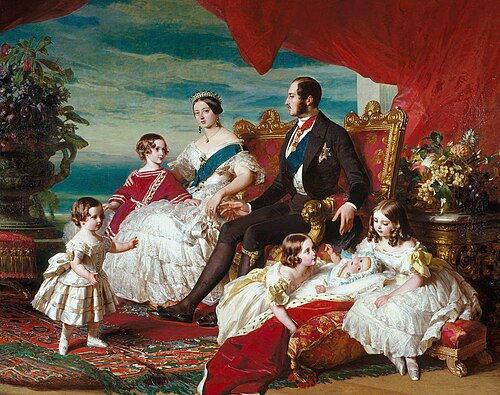
One of the most significant turning points in Victoria's life was her marriage to Prince Albert of Saxe-Coburg and Gotha on 10 February 1840. Their partnership was both a romantic union and a profound political collaboration. Albert became her most trusted advisor, influencing much of her reign until his death in 1861.
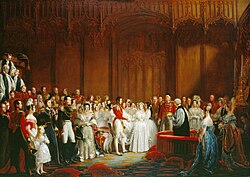
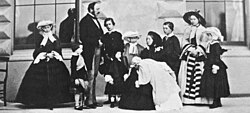
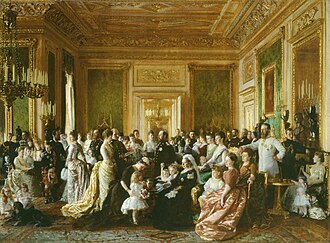
Together, they built a large family that would eventually link many of the royal houses of Europe. The couple had nine children, including the future Edward VII, who would succeed her.
The Expansion of Empire and Royal Honors
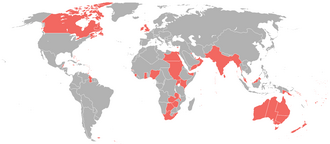
As the 19th century progressed, the British Empire grew to vast proportions. Victoria became a symbol of this global reach, and her influence extended through various orders and honors she founded or presided over. These included the Victoria Cross (established 1856), the Order of the Star of India (1861), and the Royal Victorian Order (1896).
Her role as a global figure is further evidenced by the various international honors she received, such as the Grand Cross of St. Catherine from Russia and the Grand Cross of the Seal of Solomon from Ethiopia.
Later Years and the Diamond Jubilee
Following the death of Prince Albert, Victoria entered a long period of mourning, which significantly influenced her public persona. However, she remained a central figure in British life, eventually celebrating her Golden Jubilee in 1887 and her Diamond Jubilee in 1897.
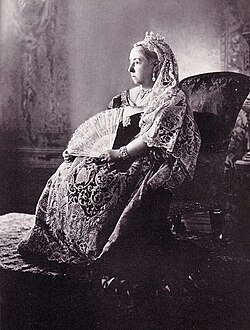
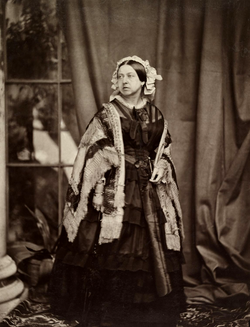
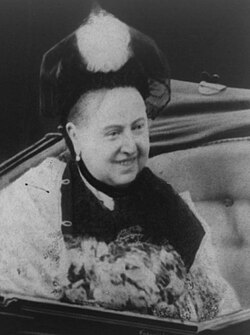
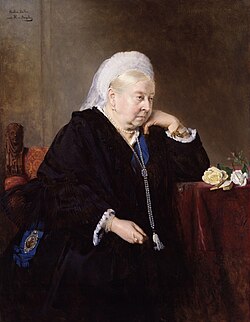
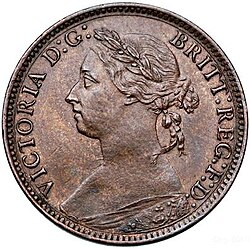
In her later years, Victoria was often depicted with a sense of dignity and gravitas. While popular culture sometimes portrays her as stern—often citing the phrase "We are not amused"—historical records from her family and staff suggest she was often capable of great laughter and amusement.
Key Facts
- Reign: 20 June 1837 – 22 January 1901.
- Spouse: Prince Albert of Saxe-Coburg and Gotha (married 1840).
- Successor: Edward VII.
- Major Honors Founded: Victoria Cross, Order of the Star of India, Royal Victorian Order.
- Total Children: 9 children.
Summary of Queen Victoria's Life
| Category | Details |
|---|---|
| Full Name | Princess Alexandrina Victoria of Kent |
| Date of Birth | 24 May 1819 |
| Date of Death | 22 January 1901 (aged 81) |
| Accession Date | 20 June 1837 |
| Coronation Date | 28 June 1838 |
Frequently Asked Questions
Did Queen Victoria actually say "We are not amused"?
There is no direct evidence that she ever uttered this specific phrase, and she personally denied saying it. Her family and staff noted that she was often "immensely amused" and would frequently laugh loudly.
What was the significance of the Victoria Cross?
The Victoria Cross is a military decoration that Queen Victoria founded on 5 February 1856 to recognize acts of valor.
How many children did Queen Victoria have?
Queen Victoria and Prince Albert had nine children: Victoria, Edward VII, Alice, Alfred, Helena, Louise, Arthur, Leopold, and Beatrice.
When did Queen Victoria's reign end?
Her reign ended with her death on 22 January 1901.
What was the extent of the British Empire during her reign?
During her era, the British Empire expanded significantly, reaching vast territories across the globe, as illustrated by maps from the late 19th century.
![Victoria admired Heinrich von Angeli's 1875 portrait of her for its "honesty, total want of flattery, and appreciation of character".[148]](/images/ee/5f/ee5f7898074b1c54c592594b1d68b6ddfcc43b6f72d8655a8db8d608d14d685f.jpg)