Harry James: The Virtuoso Trumpeter and Big Band Icon
Harry James was more than just a musician; he was a cornerstone of the Big Band era, a period of American music characterized by large ensembles and danceable swing rhythms. Renowned for his technical brilliance and a signature tone that captivated audiences, James rose from a child prodigy in Texas to become one of the most commercially successful bandleaders of the 20th century.
Throughout his career, which spanned from 1933 to 1983, James balanced the demands of artistic jazz expression with the necessity of commercial pop appeal. His influence extended beyond the recording studio, reaching the silver screen and the airwaves of national radio.
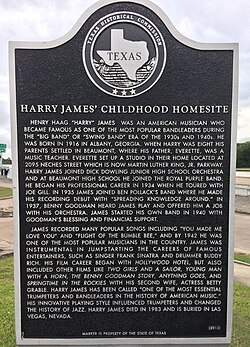
Key Facts
- Primary Instrument: Trumpet.
- Peak Success: Led a commercially dominant big band from 1939 to 1946.
- Notable Collaborations: Provided the first high-profile platform for Frank Sinatra.
- Chart Success: Recorded over 200 singles, including nine number-one hits.
- Legacy: Two recordings inducted into the Grammy Hall of Fame.
Early Life and Musical Foundations
Born Harry Haag James on March 15, 1916, his musical journey began under the strict tutelage of his father. By age eight, James was taking trumpet lessons, and by twelve, he was already leading the second band in the Christy Brothers Circus. His father enforced a rigorous practice schedule based on the Arban's book, a standard pedagogical text for trumpet players, forbidding other pastimes until daily lessons were mastered.
In 1924, the family moved to Beaumont, Texas. By age 15, James was performing with local dance bands. While attending Dick Dowling Junior High School and participating in the Beaumont High School Royal Purple Band, he established his competitive edge, winning first place as a trumpet soloist at the Texas Band Teacher's Association's Annual Eastern Division contest in May 1931.
The Rise of "The Hawk"
James's professional ascent began at the Peabody Hotel in Memphis, where he played with Herman Waldman's band. His talent caught the attention of Ben Pollack, and James joined Pollack's ensemble in 1935. In 1937, he transitioned to the orchestra of the legendary Benny Goodman, where he remained through 1938.
During this era, he earned the nickname "The Hawk" due to his extraordinary sight-reading ability—the skill of playing a piece of music at first sight without prior practice. His technical range was vast; while he possessed a warm low register reminiscent of the cornet or flugelhorn, he became most famous for his brilliant, piercing high register.
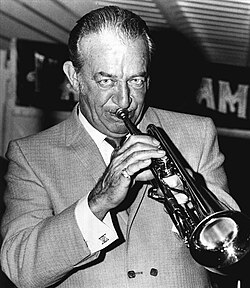
Leading the Music Makers
With financial support from Benny Goodman, James launched his own big band in Philadelphia in January 1939. While the group initially struggled, the addition of a string section in 1941 transformed their sound and commercial viability. Now known as Harry James and His Music Makers, the band achieved massive success with the hit "You Made Me Love You," which spent ten weeks in the Top Ten of the Billboard charts.
The Sinatra Connection and Band Personnel
The Harry James Orchestra is historically significant for being the first high-profile group to feature Frank Sinatra. Sinatra signed a contract in 1939 for $75 a week (approximately $1,589 in 2022 dollars). Although James attempted to rename him "Frankie Satin," Sinatra refused and eventually left after seven months for Tommy Dorsey's band.
Other notable members of James's ensembles included vocalist Helen Forrest, the prodigious drummer Buddy Rich, bassist Thurman Teague, and saxophonists Johnny MacAfee and Corky Corcoran.
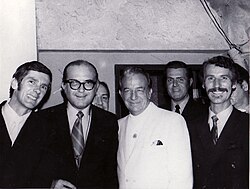
Media Presence: Radio and Film
James was a ubiquitous presence in mid-century media. In 1942, his orchestra took over the Chesterfield Cigarettes radio program after Glenn Miller disbanded his band for Army service. He also led the orchestra for the CBS and NBC broadcast Call for Music in 1948.
His film career was equally prolific. He appeared as himself in numerous movies, including Private Buckaroo and Two Girls and a Sailor. In the 1950 film Young Man with a Horn, James provided the trumpet dubbing for actor Kirk Douglas. His music continues to appear in modern cinema, including Captain America: The Winter Soldier and Avengers: Endgame.
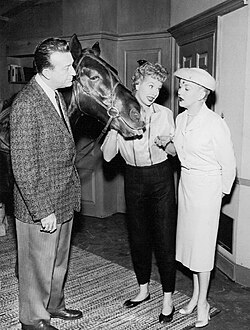
Musical Evolution and Style
James's career was marked by a tension between jazz purity and commercial pop. In 1940, facing financial difficulties and the loss of his Columbia Records contract, James pivoted toward a "sweeter" style. By incorporating strings and pop-oriented melodies, he achieved immense wealth; a 1945 U.S. Treasury report listed him and his wife, Betty Grable, as the highest-paid couple in the nation.
Return to Jazz Roots
In the mid-1950s, inspired by Count Basie's comeback, James returned to a more authentic jazz sound. Signing with Capitol Records in 1955, he released Wild About Harry! in 1957, adopting a "Basie flavor" with arrangements by Ernie Wilkins. While critics were slow to embrace this shift during his lifetime, modern historians now view his recordings from 1958 to 1961 as "uncompromising, swinging gems."
Personal Life and Final Years
James's personal life was characterized by three marriages: first to singer Louise Tobin (1935–1943), then to actress Betty Grable (1943–1965), and finally to Joan Boyd (1967–1970). He fathered five children across these marriages.
Outside of music, James was a passionate enthusiast of Thoroughbred horse racing. He owned several winning horses, including champions of the California Breeders' Champion Stakes and the San Vicente Stakes, and was a founding investor in the Atlantic City Race Course.
Despite his success, James struggled with heavy smoking, drinking, and gambling. In 1983, he was diagnosed with lymphatic cancer. He performed his final professional engagement with the Harry James Orchestra in Los Angeles on June 26, 1983. He passed away nine days later on July 5, 1983, in Las Vegas, Nevada, at the age of 67. Frank Sinatra delivered the eulogy at his funeral.
Career Summary
| Category | Details |
|---|---|
| Active Years | 1933–1983 |
| Key Labels | Brunswick, Columbia, Capitol, MGM, Dot |
| Chart Performance | 9 #1 hits, 32 Top Ten hits, 70 Top 100 hits |
| Major Awards | 2 Grammy Hall of Fame inductions |
| Notable Films | Young Man with a Horn, Private Buckaroo, Best Foot Forward |
Frequently Asked Questions
Why was Harry James called "The Hawk"?
He earned this nickname early in his career because of his exceptional sight-reading abilities. A popular joke among his peers was that if a fly landed on his sheet music, James would play it.
What was Harry James's relationship with Frank Sinatra?
James provided Sinatra with his first high-profile opportunity as a vocalist in 1939. Although Sinatra only stayed with the band for seven months before joining Tommy Dorsey, the association helped launch Sinatra's career.
How did James's musical style change over time?
He began as a jazz trumpeter but shifted to a "sweeter," pop-oriented sound with string sections in the early 1940s to achieve commercial success. In the late 1950s, he returned to a more traditional, swinging jazz style influenced by Count Basie.
Did Harry James act in movies?
Yes, he appeared in numerous Hollywood films, often featuring his band. He also provided the trumpet playing (dubbing) for Kirk Douglas in the 1950 film Young Man with a Horn.
What are some of his most famous recordings?
Some of his most enduring hits include "You Made Me Love You," "It's Been a Long, Long Time," and "Trumpet Blues and Cantabile," the latter of which is in the Grammy Hall of Fame.