Lionel Hampton: The Flamboyant Master of the Vibraphone
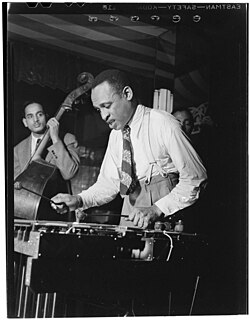
Lionel Leo Hampton was a towering figure in American music, renowned as a virtuoso vibraphonist (a percussion instrument featuring metal bars and resonators), percussionist, and influential bandleader. Spanning a career from 1927 to 2002, Hampton's high-energy style and technical mastery helped define the swing era and bridged the gap between mainstream jazz and the emerging sounds of be-bop.
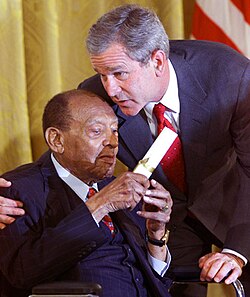
Throughout his life, Hampton collaborated with a breathtaking array of jazz legends, including Teddy Wilson, Buddy Rich, Charlie Parker, Charles Mingus, and Quincy Jones. His contributions to the cultural fabric of the United States earned him prestigious accolades, including the National Medal of Arts in 1996 and induction into the Alabama Jazz Hall of Fame in 1992.
Key Facts
- Active Years: 1927–2002.
- Primary Instruments: Vibraphone and percussion.
- Key Collaborations: Benny Goodman Quartet, the Lionel Hampton Orchestra.
- Major Honors: National Medal of Arts (1996), Grammy Lifetime Achievement Award (2021).
- Philanthropy: Founded the Lionel Hampton Development Corporation for public housing.
Early Life and Career Foundations
Born on April 20, 1908, Hampton's early musical journey saw him honing his craft with various ensembles, including the Chicago Defender Newsboys' Band, the Dixieland Blues-Blowers, and The Quality Serenaders. While performing with the Les Hite band, he also made occasional appearances with Nat Shilkret and his orchestra.
Hampton balanced his professional growth with formal education, studying music at the University of Southern California during the early 1930s. By 1934, he had stepped into the role of a leader with his own orchestra. His versatility also extended to the screen; in 1936, he appeared in the Bing Crosby film Pennies From Heaven, performing drums alongside the legendary Louis Armstrong.
The Benny Goodman Era and Orchestral Leadership
One of the most pivotal chapters of Hampton's career was his tenure with the Benny Goodman Quartet. This collaboration cemented his status as a premier jazz soloist and brought the vibraphone to the forefront of the swing movement.
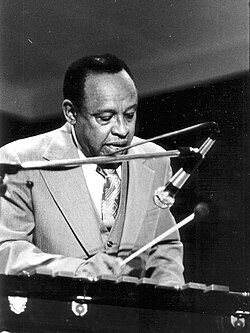
Following this, Hampton established the Lionel Hampton Orchestra. A mainstay of his group from 1944 through the late 1970s was guitarist Billy Mackel. Hampton's recordings during this era were prolific, notably his 1947 performance of "Stardust" at a "Just Jazz" concert for producer Gene Norman, released via Decca. He also participated in the Cavalcade of Jazz concerts in 1949, performing at Wrigley Field in Los Angeles and Lane Field in San Diego alongside artists like Betty Carter and Jimmy Witherspoon.
Later Career and Artistic Evolution
As the musical landscape shifted in the 1960s, Hampton's groups experienced a decline in popularity as he continued to perform the styles that had brought him early success. However, his passion for recording remained steadfast. In the late 1970s, he founded his own record label, Who's Who in Jazz, to continue documenting his work.
Despite the changing trends, Hampton remained a respected elder statesman of jazz, continuing to perform and record until his passing on August 31, 2002, at the age of 94.
Personal Life and Philanthropic Legacy
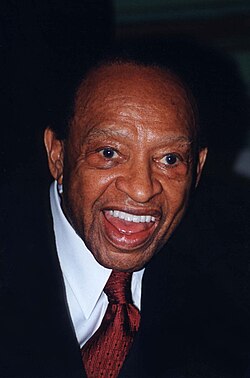
On November 11, 1936, Lionel married Gladys Riddle, who served as his business manager for much of his career. Their partnership was a balanced synergy: while Lionel focused on the music, Gladys managed the business operations. Gladys passed away in 1971.
Hampton was equally committed to social improvement as he was to music. He founded the Lionel Hampton Development Corporation to build public housing. With the support of Governor Nelson Rockefeller, he established the Lionel Hampton Houses in Harlem during the 1960s. He also helped create the Gladys Hampton Houses in honor of his wife and later built the Hampton Hills project in Newark, New Jersey, during the 1980s.
Summary of Career and Achievements
| Category | Details |
|---|---|
| Genres | Swing, Big Band, Mainstream Jazz, Blues |
| Key Labels | Decca, Who's Who in Jazz, Glad-Hamp Records |
| Notable Films | Pennies From Heaven (1936), A Song Is Born (1948) |
| Major Awards | National Medal of Arts, Grammy Lifetime Achievement, NEA Jazz Masters Fellowship |
| Philanthropy | Public housing projects in Harlem and Newark |
Frequently Asked Questions
What instrument was Lionel Hampton most famous for?
Lionel Hampton was most famous for the vibraphone, though he was also an accomplished percussionist and drummer.
Which famous jazz musician did Hampton work with in a quartet?
Hampton was a key member of the Benny Goodman Quartet, a collaboration that significantly boosted his profile during the swing era.
Did Lionel Hampton contribute to anything outside of music?
Yes, he was deeply involved in philanthropy, specifically in the construction of public housing projects in Harlem and Newark through the Lionel Hampton Development Corporation.
When was Lionel Hampton inducted into the Alabama Jazz Hall of Fame?
He was inducted into the Alabama Jazz Hall of Fame in 1992.
What was the role of Gladys Riddle in Hampton's life?
Gladys Riddle was Lionel Hampton's wife and business manager, handling the commercial and administrative side of his career while he focused on the music.