Swing Music: The Golden Era of Big Band Jazz
Swing is a vibrant style of jazz that emerged in the United States during the late 1920s and early 1930s, eventually evolving into the most famous era of jazz as a form of mass entertainment. Characterized by a strong groove and a danceable rhythm, swing dominated American popular music from 1935 to 1946. At its core, swing featured large ensembles known as big bands, where soloists would improvise melodies over carefully crafted arrangements.
Key Facts
- Peak Popularity: The "Swing Era" lasted from 1935 to 1946.
- Core Elements: Blended ragtime, Dixieland, New Orleans jazz, and blues.
- Dance Culture: Closely tied to the Lindy Hop and jitterbugging.
- Key Figures: Led by icons like Benny Goodman, Duke Ellington, and Count Basie.
- Legacy: Paved the way for bebop, R&B, and traditional pop.
The Roots of the Swing Sound
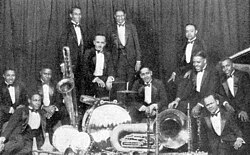
The development of swing was a gradual process rooted in the dance orchestras of the 1920s. A pivotal influence was the Fletcher Henderson Orchestra, which, starting in 1923, introduced innovative arrangements by Don Redman. These arrangements utilized call-response—a musical conversation between the brass and reed sections—and provided smoother rhythmic foundations than the ragtime-influenced "hot" music of the time.
The addition of Louis Armstrong to the Henderson band in 1924 shifted the focus toward the soloist, a hallmark of the swing style. Other influential soloists in the group included Coleman Hawkins and Benny Carter. As Armstrong later moved toward Chicago-style jazz, these innovations continued to shape the trajectory of the genre.
The Rise of the Big Bands
By the late 1920s, new concepts in phrasing and rhythm were being broadcast across the U.S. The Earl Hines Orchestra in Chicago and the Duke Ellington Orchestra at New York's Cotton Club brought these sounds to a national audience. In Kansas City, Bennie Moten developed a riff-propelled version of the music, famously renaming his signature tune from "Moten Stomp" to "Moten Swing," signaling the shift in terminology and style.
The Swing Era (1935–1946)
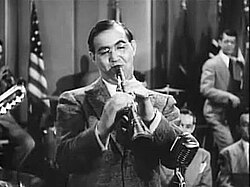
The era officially ignited in August 1935 when the Benny Goodman Orchestra performed at the Palomar Ballroom. Goodman's use of Fletcher Henderson's daring arrangements captivated young white dancers, transforming the American musical landscape overnight.
This musical explosion coincided with a national dance craze. The Lindy Hop, which originated in the late 1920s, evolved into the jitterbug. Professional troupes like Whitey's Lindy Hoppers brought this high-energy dancing to the cinema, further cementing swing's place in popular culture.
The New York Hub and the Path to Bebop
New York City became the epicenter of the movement, with the Savoy and Roseland ballrooms serving as the ultimate proving grounds. The Count Basie Orchestra brought the Kansas City style to national prominence at the Savoy in 1937. Meanwhile, the Chick Webb Orchestra became legendary for its "Battles of the Bands."
By 1940, the creative boundaries of swing began to shift. Musicians such as Charlie Parker and Dizzy Gillespie began coalescing in New York, developing the complex ideas that would eventually lead to bebop, a more intellectual and less danceable form of jazz.
The Decline of the Big Band Era
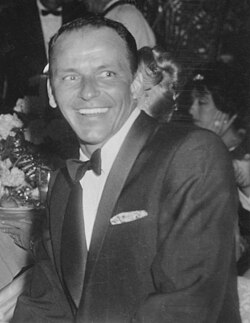
The early 1940s saw a shift in focus from the bandleader to the vocalist. Stars like Ella Fitzgerald, Frank Sinatra, and Peggy Lee became the primary attractions, often overshadowing the orchestras that backed them.
Several external factors accelerated the decline of big bands:
- ASCAP Royalty Dispute: A conflict between broadcasters and the American Society of Composers, Authors and Publishers led to a ban on much of the swing repertoire on the radio in 1941.
- Wartime Pressures: The military draft and travel restrictions made touring large ensembles logistically and financially difficult.
- Recording Ban: A 1942 ban by the American Federation of Musicians halted instrumental recordings for major labels until 1944.
- Taxation: A 30% federal excise tax on dancing nightclubs in 1944 undercut the market for dance music.
Evolution and Revivals
Swing did not disappear; it evolved. In the 1950s and 60s, "swingin' pop" became popular as vocalists like Frank Sinatra and Nat King Cole used sedated swing arrangements for a more polished, "easy listening" sound. Additionally, the genre branched into regional and fusion styles:
- Western Swing: A blend of swing, blues, and country music pioneered by Bob Wills and Jimmie Rodgers.
- Gypsy Swing: Created by guitarist Django Reinhardt.
- New Jack Swing: An urban-styled swing-beat created by Teddy Riley in the late 80s.
- Swing Revival: A late 90s resurgence led by bands like the Brian Setzer Orchestra and Big Bad Voodoo Daddy.
| Period | Primary Focus | Key Characteristics | Notable Figures |
|---|---|---|---|
| 1920s | Roots & Development | Call-response, early big band arrangements | Fletcher Henderson, Louis Armstrong |
| 1935–1946 | The Swing Era | High-energy dance music, jitterbug, big bands | Benny Goodman, Duke Ellington, Count Basie |
| 1940s (Late) | Transition | Rise of vocalists, emergence of bebop | Ella Fitzgerald, Charlie Parker |
| 1950s–60s | Swingin' Pop | Easy listening, studio orchestras | Frank Sinatra, Nelson Riddle |
| 1990s–Present | Revivals & Fusion | Electro swing, neo-swing, gypsy jazz | Brian Setzer, Django Reinhardt (legacy) |
Frequently Asked Questions
What is the difference between swing and bebop?
Swing was primarily designed for dancing, featuring large orchestras and a strong, steady groove. Bebop emerged as a more complex, faster, and less danceable style played by smaller ensembles, focusing on harmonic innovation and virtuoso improvisation.
Who was the most influential bandleader of the swing era?
While many were influential, Benny Goodman is often credited with launching the era's national popularity, while Duke Ellington and Count Basie are revered for their profound musical contributions and stylistic innovations.
What was the Lindy Hop?
The Lindy Hop was a high-energy swing dance that originated in the late 1920s. It served as the foundation for the jitterbug and became a cultural phenomenon during the peak of the swing era.
Why did the big band era end?
The decline was caused by a combination of factors, including the rise of star vocalists, wartime travel restrictions, the military draft, a recording ban by the musicians' union, and a federal tax on dance halls.
What is Western Swing?
Western Swing is a subgenre that blends elements of swing and blues with country music, popularized by artists such as Bob Wills and Milton Brown.