German Workers' and Soldiers' Councils of 1918–1919
During the final days of World War I, the German Empire was swept by a wave of revolutionary fervor. The German workers' and soldiers' councils (Deutsche Arbeiter- und Soldatenräte) emerged as short-lived but powerful bodies that rapidly seized control of cities across the empire. These councils formed with little resistance, occupying key government buildings and prompting military forces to either stand down or flee. This sudden shift in power led to the abdication of all Germany's ruling monarchs, including Emperor Wilhelm II, by the end of November 1918.
Key Facts
- Origin: Sparked by the Kiel sailors' uprising in November 1918.
- Political Divide: Split between the moderate Social Democratic Party (SPD) and the radical Independent Social Democratic Party (USPD).
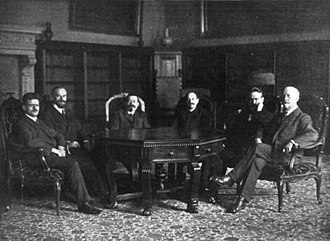
- Governing Body: The interim government was known as the Council of the People's Deputies.
- Outcome: Transitioned power to the Weimar National Assembly in early 1919.
- End Date: Most councils dissolved by autumn 1919 following the formal establishment of the Weimar Republic.
The Rise of the Councils
The foundation for these councils was laid during the hardships of World War I. Severe living conditions made radical left-wing parties, such as the Independent Social Democrats (USPD), increasingly attractive to the working class. The 1916 Auxiliary Services Act—which allowed workers in companies with over 50 employees to form committees for wage and condition negotiations—provided a structural blueprint for these groups.
The USPD and its left-wing faction, the Spartacus League, further agitated the populace, notably calling for a massive anti-war strike in January 1918. While that strike was unsuccessful, it set the stage for the collapse of imperial authority.
The Kiel Sailors' Uprising
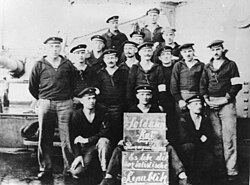
The revolution officially ignited in Kiel on November 3, 1918. Sailors, soldiers, and workers marched to protest the arrest of sailors who had refused orders to engage in a final, likely futile, battle against the British Grand Fleet. After military patrols killed seven protesters, an armed uprising broke out. By November 4, a council was formed to demand a loosening of military discipline.
This revolutionary spirit spread with lightning speed. By November 8, councils had been established in almost every major German city, including Bremen, Hamburg, Hanover, and Cologne. While soldiers often elected respected comrades, workers typically chose leaders from the Social Democratic Party (SPD) or the USPD.
Political Conflict: Soviet Democracy vs. Parliamentary Republic
As the councils took hold, a deep ideological rift emerged. The radical left sought a soviet democracy (a system of governance based on councils), while moderates aimed for a socialist-dominated parliamentary republic. This tension was mirrored in the Council of the People's Deputies, the interim national government, which was initially split equally between the SPD and USPD.
The SPD leadership, however, maintained significant influence. They successfully pushed for national elections to a national assembly, ensuring that all German citizens—not just workers and soldiers—would decide the country's future government.
The Reich Congress of Workers' and Soldiers' Councils
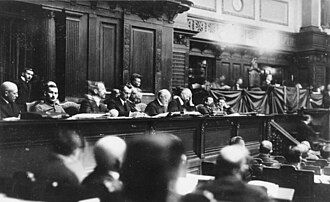
From December 16 to 20, 1918, the Reich Congress met in Berlin to determine the direction of the revolution. Of the 514 delegates, a clear majority (288) supported the SPD. The Congress voted overwhelmingly to move the national assembly elections forward to January 19, 1919, signaling a preference for parliamentary democracy over the council system.
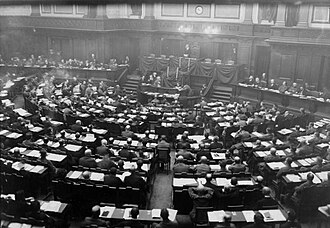
The Congress also approved the Hamburg Points, a set of demands to democratize the military. These included the abolition of rank insignia, the election of officers by soldiers, and the replacement of the standing army with a people's army (Volkswehr). However, the Army Command strongly opposed these measures, and they were omitted from the final Weimar Constitution.
Violence and the Path to the Weimar Republic
The transition to a republic was marked by bloodshed. In late December 1918, USPD members resigned from the Council of the People's Deputies in protest over the use of military force during the "Christmas crisis." This led to the Spartacist uprising in January 1919, where revolutionaries attempted to block national elections and establish a soviet democracy. The government used the regular army and the Freikorps (right-wing paramilitary units) to crush the revolt, resulting in approximately 165 deaths.
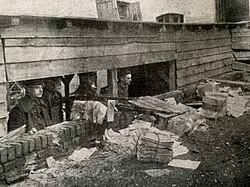
Further violence erupted during the Berlin March Battles of 1919, where the Communist Party of Germany (KPD) fought for council recognition and the implementation of the Hamburg Points. This conflict was even deadlier, with an estimated 1,200 people killed. Similar unrest occurred in Hamburg, Bremen, and Munich.
Local Council Implementations
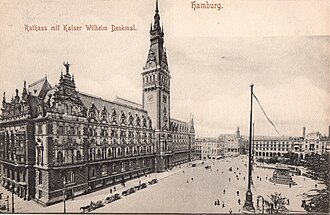
The experience of the councils varied by city. In Hamburg, a council under USPD leadership initially took control but was forced to restore the city parliament to maintain creditworthiness. Eventually, the SPD won 60% of the vote in the March 1919 parliamentary elections, and the council transferred its power to the new parliament.
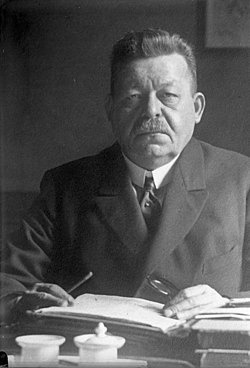
In Berlin-Neukölln, the council took a more radical approach, abolishing municipal authorities and declaring housing to be communal property. This was short-lived, as armed supporters of Friedrich Ebert forced the council to restore municipal authorities and allow the SPD to join the local executive.
The Dissolution of the Councils
The end of the council era came swiftly following the national elections on January 19, 1919, where the SPD won 38% of the vote. The SPD formed the Weimar Coalition with the Centre Party and the German Democratic Party.
| Date | Event | Significance |
|---|---|---|
| Nov 3, 1918 | Kiel Sailors' Uprising | Triggered the nationwide revolution. |
| Dec 16-20, 1918 | Reich Congress | Confirmed preference for parliamentary democracy. |
| Jan 19, 1919 | National Assembly Election | SPD victory; mandate for a republic. |
| Feb 4, 1919 | Power Transfer | Central Council transfers power to National Assembly. |
| Aug 14, 1919 | Weimar Constitution | Formal end of council legitimacy. |
By February 1919, the Council of the People's Deputies had passed its authority to the government of Minister President Philipp Scheidemann. The remaining local councils gradually disbanded, losing all legitimacy once the Weimar Constitution took effect on August 14, 1919.
Frequently Asked Questions
What was the primary difference between the SPD and USPD?
The SPD (Social Democratic Party) represented the moderate wing, favoring a parliamentary republic and a gradual transition to socialism. The USPD (Independent Social Democratic Party) was more radical, advocating for a soviet-style democracy based on workers' and soldiers' councils.
What were the Hamburg Points?
The Hamburg Points were a set of proposals to democratize the German military, including the abolition of rank insignia, the election of officers by soldiers, and the creation of a people's army to replace the professional standing army.
Who were the Freikorps?
The Freikorps were paramilitary units composed largely of former soldiers. They were utilized by the SPD-led government to suppress radical left-wing uprisings, such as the Spartacist uprising and the March Battles.
Why did the councils eventually fail?
The councils failed primarily because the majority of the delegates and the general electorate preferred a stable parliamentary democracy over the more radical council system. This was formalized through the 1919 elections and the subsequent adoption of the Weimar Constitution.
How did the Kiel uprising start?
It began when sailors and workers protested the arrest of sailors who had refused orders to prepare for a final battle against the British Grand Fleet. The situation escalated into an armed revolt after military patrols shot seven protesters.