German Jewish History: From Medieval Persecution to Modern Renewal
The history of the Jewish people in Germany is a complex narrative of profound cultural contribution, systemic persecution, and an enduring spirit of resilience. From the early medieval centers of learning to the devastation of the Holocaust and the subsequent rebirth of the community, the German-Jewish experience reflects the broader tensions of European identity, religion, and nationalism.
Key Facts
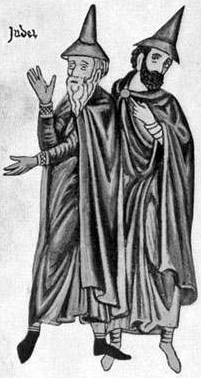
- Population Fluctuations: The Jewish population peaked at 615,000 in 1910 before plummeting to 30,000 by 1990.
- The Holocaust: Between 160,000 and 180,000 German Jews were murdered by the Nazi regime; six million European Jews died in total.
- Modern Growth: Since 1990, immigration from the former Soviet Union has revitalized the community, bringing the total enlarged population to approximately 225,000 by 2018.
- Cultural Impact: Germany was a birthplace of the Jewish Enlightenment (Haskalah) and the Reform Movement in Judaism.
Medieval Era and the Period of Massacres
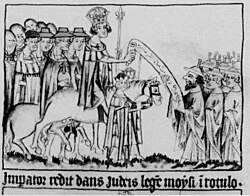
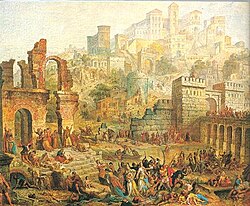
During the Middle Ages, Germany served as a significant cultural and religious center for European Jewry. However, this era was also marked by extreme volatility. The First Crusade triggered a wave of violence known as the Rhineland massacres in 1096, where communities in Speyer, Worms, and Mainz were ravaged by mobs led by Peter the Hermit.
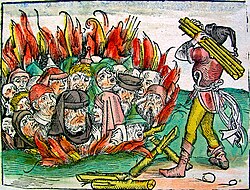
Persecution continued through the Hussite Wars and reached a peak during the Black Death (1348–1350). During this plague, antisemitism flourished, and approximately 72% of towns with Jewish populations suffered violent attacks. Jews were often scapegoated for the pandemic or accused of host desecration, leading to mass executions.
The Holy Roman Empire and the Jewish Enlightenment
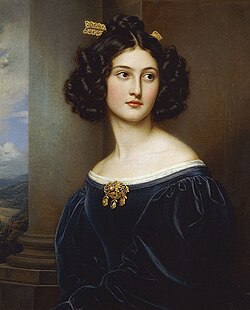
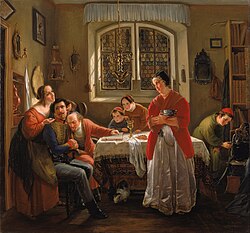
Under the Holy Roman Empire, Jewish life remained precarious but saw moments of intellectual awakening. The 18th century brought the Haskalah, or Jewish Enlightenment, a movement that encouraged Jews to engage with secular education and integrate into wider society. A central figure in this movement was Moses Mendelssohn, who bridged the gap between Jewish tradition and German philosophy.
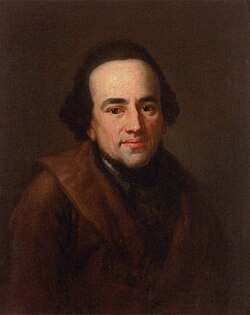
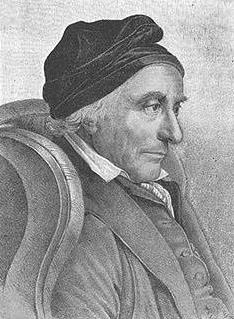
This intellectual shift paved the way for the birth of the Reform Movement, which sought to modernize Jewish practice. Despite these advancements, legal status remained fragmented. In Prussia, for example, between 1815 and 1847, 21 different territorial laws governed Jewish affairs across eight provinces, leaving the community without a unified legal voice.
Nationalism and the Path to World War I
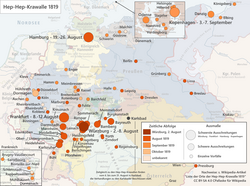
The fall of Napoleon in 1815 sparked a rise in nationalism that often translated into repression. This culminated in the Hep-Hep riots of 1819, a series of pogroms across Germany that led many states to strip Jews of their civil rights and prompted a wave of emigration.
By the late 19th century, the Jewish population grew to 615,000 by 1910. Many were immigrants from Russia, with roughly two million Jews passing through German borders between 1880 and 1914. While German liberals advocated for assimilation—the process of absorbing the minority group into the dominant culture—they often expected Jews to eliminate their cultural differences entirely.
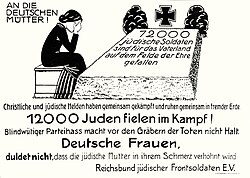
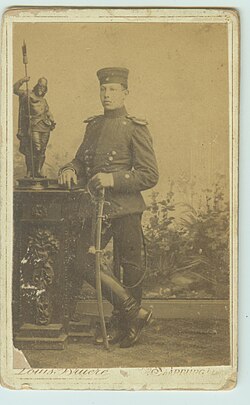
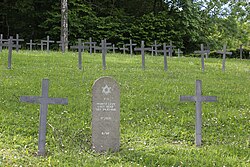
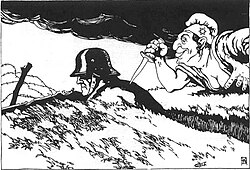
During World War I, Jewish patriotism was evident. Over 100,000 German Jews served in the military, with 12,000 dying in battle. Despite this service, the post-war Weimar years saw the rise of the "stab-in-the-back" legend, which falsely accused Jews of betraying Germany.
The Nazi Era and the Holocaust
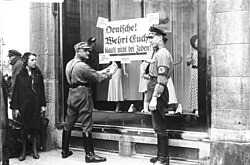
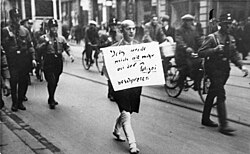
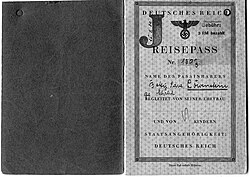
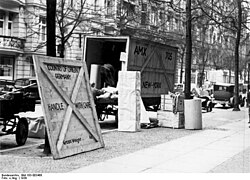
The seizure of power by the Nazis in 1933 marked the beginning of systematic dehumanization. Jews were subjected to professional boycotts, stripped of citizenship, and forced into social isolation. By 1938, the regime mandated that Jews with non-Jewish names add "Israel" or "Sarah" to their identity documents to ensure they were easily identifiable.
Many sought refuge abroad. The Haavara Agreement of 1933 allowed 60,000 Jews to emigrate to Mandatory Palestine. However, for those who remained, the situation turned lethal. Starting in late 1941, systematic deportations to ghettos and death camps began. By May 1943, the Nazis declared Germany judenrein (clean of Jews).
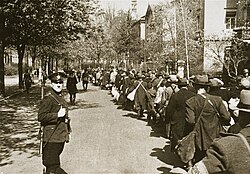
Post-War Recovery and Modern Germany
Following 1945, the Jewish community in Germany was nearly extinct, with only 37,000 remaining by 1950. The community began a slow recovery, which accelerated dramatically after 1990 due to an influx of Russian-speaking Jews from the former Soviet Union.
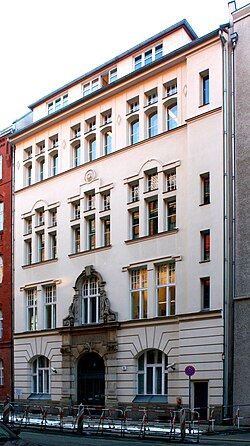
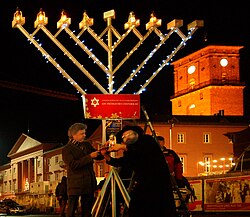
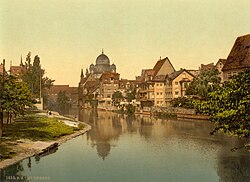
Today, the community is managed by the Central Council of Jews in Germany. While the population has leveled off, the presence of public menorahs and the restoration of synagogues signify a renewed, though cautious, Jewish presence in the country.
| Year | Jewish Population | % of Total Population |
|---|---|---|
| 1871 | 512,158 | 1.25% |
| 1910 | 615,021 | 0.95% |
| 1933 | 503,000 | 0.76% |
| 1939 | 234,000 | 0.34% |
| 1950 | 37,000 | 0.05% |
| 2011 | 119,000 | 0.15% |
Frequently Asked Questions
![Willi Ermann of Saarbrücken, a German Jewish soldier in World War I: Ermann was murdered at Auschwitz in the Holocaust.[49]](/images/8f/63/8f63c5ba41b6a9fe3bc7140060f14365817585d33eaf7539a3cd47c04cd9d1f9.jpg)

What was the Haskalah?
The Haskalah, or Jewish Enlightenment, was an intellectual movement that encouraged Jews to adopt secular education and integrate into the broader European society while maintaining their Jewish identity.
What were the Hep-Hep riots?
The Hep-Hep riots were a series of antisemitic pogroms that occurred across Germany between August and October 1819, resulting in the loss of civil rights for many Jews and increased emigration.
How many German Jews served in World War I?
Over 100,000 German Jews served in the military during World War I, with approximately 12,000 of them dying in battle for their fatherland.
What does the term "judenrein" mean?
The term "judenrein" (or "judenfrei") means "clean of Jews" or "free of Jews." It was used by the Nazi regime in 1943 to describe Germany after the systematic deportation of its Jewish population.
Why did the Jewish population increase after 1990?
The growth was primarily fueled by a large wave of immigration from the former Soviet Union, making the majority of the modern German-Jewish community Russian-speaking.