Friedrichshafen: The Aviation Hub of Lake Constance
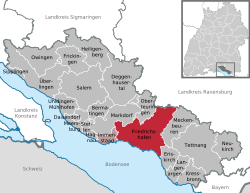
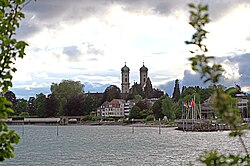
Nestled on the northern shoreline of Lake Constance (the Bodensee) in Southern Germany, Friedrichshafen is a city where royal history meets pioneering aerospace engineering. Located near the borders of Switzerland and Austria, this district capital of Bodenseekreis in the state of Baden-Württemberg serves as a vital cultural and industrial center with a population of approximately 63,000.
From its origins as a strategic free port to its global fame as the birthplace of the dirigible, Friedrichshafen has evolved into a modern city known for its academic excellence, sporting achievements, and deep-rooted connection to the skies.
Key Facts
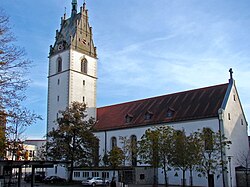
- Location: Northern shore of Lake Constance, Baden-Württemberg, Germany.
- Population: Approximately 62,796 (as of December 31, 2024).
- Primary Industries: Aviation, aerospace, and automotive engineering.
- Famous For: The Zeppelin airships and the Dornier aircraft.
- Education: Home to the prestigious private Zeppelin University.
- Geography: Situated at an elevation of 400m, influenced by the nearby Alps.
A History of Innovation and Resilience
The Royal Beginnings
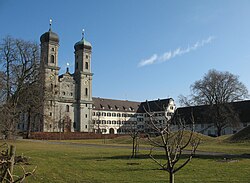
Friedrichshafen was established in 1811 by King Frederick I of Württemberg, who envisioned it as a free port and transshipment point for trade with Switzerland. The city was formed by incorporating the former city of Buchhorn and the village of Hofen. Under King William I, the city expanded further, attracting foreign dignitaries—including Tsar Alexander II of Russia—and developing early rail connections to Ravensburg and Heilbronn.
The Era of the Airship
At the turn of the 20th century, Ferdinand von Zeppelin transformed the city into a global center for aviation. The launch of the 128m-long LZ1 airship on July 2, 1900, marked the beginning of a golden age. This sparked the growth of supporting industries, such as Maybach, which provided the necessary engine technology for these massive dirigibles.
War and Reconstruction
During World War II, Friedrichshafen's industrial capacity made it a strategic target. The city's factories, including Zeppelin and Dornier, were utilized by the Nazi regime, and between 1942 and 1945, slave labor from concentration camps like Dachau and Dora-Mittelbau was used in production and tunnel digging. Allied bombing raids between 1943 and 1945 destroyed approximately two-thirds of the city, including much of the old town center.
Post-war recovery saw a shift in industry. Many aviation firms transitioned to automobile construction, and the city eventually became the administrative seat of the Bodenseekreis district in 1973. The French occupation forces finally withdrew from the city in 1992.
Geography and Climate
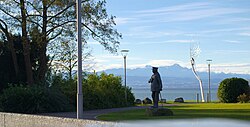
The city is situated on a gently curved bay, with elevations ranging from 395.2m on the lake shore to 501.6m in Ailingen. Its geography is defined by the confluence of the Rotach and Schussen rivers with Lake Constance.
The climate is significantly moderated by the lake and the proximity of the Alps, resulting in milder temperatures than the surrounding hinterland. However, the region is prone to foehn winds (warm, dry downslope winds), strong thunderstorms, and winter fog.
Economic Powerhouses and Education
Aerospace and Engineering
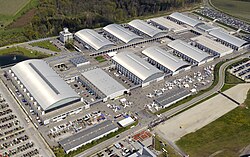
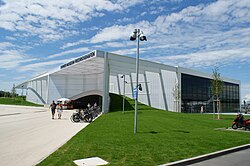
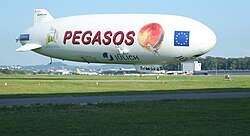
Friedrichshafen remains a titan of German engineering. It is the home of ZF Friedrichshafen (transmission systems) and MTU Friedrichshafen (engine manufacturing, now owned by Rolls-Royce). The legacy of aviation continues through the Dornier Museum and the re-established Luftschiffbau Zeppelin, which operates the Zeppelin NT airship.
Academic Excellence
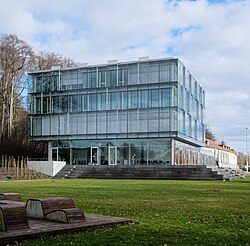
Zeppelin University, founded in 2003, is a leading private research institution. It is the only private university in Baden-Württemberg authorized to confer PhD titles. Its programs in Cultural & Communication Management and Public Management are highly ranked across German-speaking countries.
Culture, Sports, and Tourism
The city is vibrant with annual events, such as the Kulturufer, a ten-day summer arts festival, and the Seehasenfest, a traditional children's festival. Music is also central to local life, represented by the Friedrichshafen Music School and the Seehasen-Fanfarenzug fanfare band.


In sports, the city is represented by VfB Friedrichshafen, a professional volleyball team that consistently competes at the top of the Bundesliga.
Transport and Connectivity
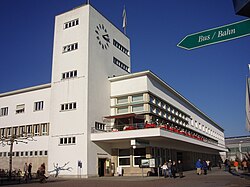
Friedrichshafen is well-connected via nine railway stations, with Friedrichshafen Stadt serving as the primary hub for trains to Lindau, Ulm, and Switzerland. The city also offers a car ferry to Romanshorn and a fast catamaran service to Konstanz.
While Friedrichshafen Airport historically served as a hub for the Deutsche Zeppelin Reederei, domestic passenger connections have decreased as of 2024. Travelers often utilize Zurich Airport, located 97 km to the southwest.
City Overview Summary
| Category | Details |
|---|---|
| State | Baden-Württemberg, Germany |
| Key Industries | Aerospace, Automotive, Education |
| Major Landmarks | Zeppelin Museum, Dornier Museum, Lake Constance Shore |
| Climate | Mild (Lake-influenced), prone to Foehn winds |
| Transport | 9 Railway stations, Airport, Ferry services |
Notable Figures
The city has been home to many influential figures across various fields:
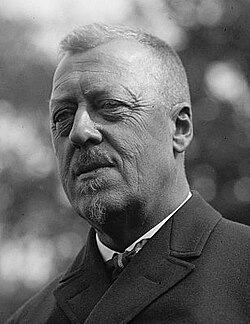
- Science & Tech: Wilhelm Maybach (engine designer), Claude Dornier (airplane builder), and Hugo Eckener (Zeppelin manager).
- Arts: Alissa Walser (writer) and Matteo Pertsch (architect).
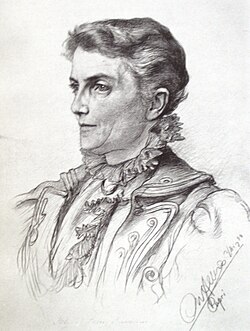
- Thinkers: Meta von Salis (feminist/historian) and Liselotte Herrmann (resistance fighter).
- Sports: Jörg and Eckart Diesch (Olympic gold medallists in sailing).


Frequently Asked Questions
What is Friedrichshafen most famous for?
Friedrichshafen is most famous for its association with Count Ferdinand von Zeppelin and the development of the dirigible (airship), as well as its contributions to aircraft manufacturing through the Dornier company.
How do I get to Friedrichshafen?
The city is accessible via the Lake Constance Belt Railway (with the main station at Friedrichshafen Stadt), by car ferry from Romanshorn, or via Friedrichshafen Airport. For major international flights, Zurich Airport is the nearest large hub.
What is the Zeppelin University known for?
It is a prestigious private research university known for its high rankings in Cultural & Communication Management and its unique status as the only private university in Baden-Württemberg allowed to grant PhDs.
What are the best museums to visit in the city?
The Zeppelin Museum and the Dornier Museum are the primary attractions, offering deep insights into the history of airships, aviation technology, and modern space exploration.
What is the climate like in Friedrichshafen?
The climate is generally mild due to the influence of Lake Constance and the Alps, though it is characterized by winter fog and occasional strong thunderstorms and foehn winds.