Famine: Causes, History, and Global Impact
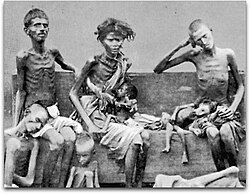
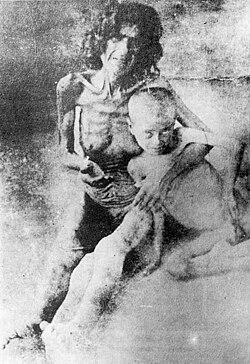
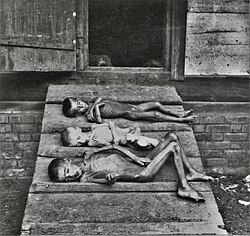
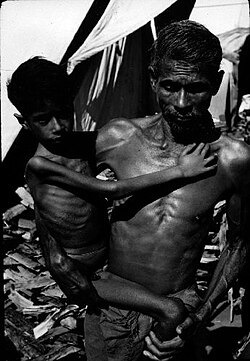
Famine is a catastrophic event characterized by a widespread scarcity of food that leads to severe malnutrition, starvation, and increased mortality across a region. While often associated with natural disasters, famine is a complex phenomenon driven by a combination of environmental, economic, and political factors. Every inhabited continent has faced famine at some point in history, though the severity and frequency have varied significantly by region and era.
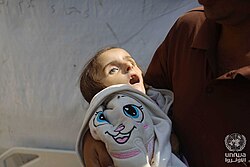
Historically, China, India, Europe, and the Middle East have suffered the highest number of fatalities. In contrast, the Americas have generally been among the least affected regions globally. While deaths from famine declined sharply starting in the 1970s and further since 2000, the crisis persists in the 21st century, with recent occurrences in Haiti, Afghanistan, Sudan, Yemen, and Gaza.

Key Facts
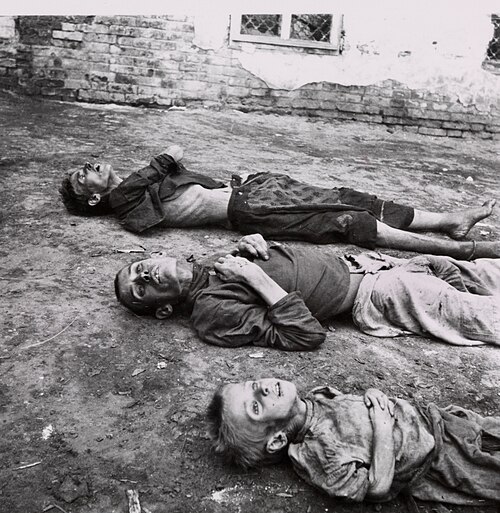
- Definition: A famine is declared when malnutrition is widespread and people die from starvation due to a lack of access to nutritious food.
- Primary Causes: War, natural disasters, crop failure, widespread poverty, economic collapse, and government policies.
- Critical Thresholds: Famine (Phase 5 acute food insecurity) occurs when at least 20% of households face extreme food shortages and child acute malnutrition exceeds 30%.
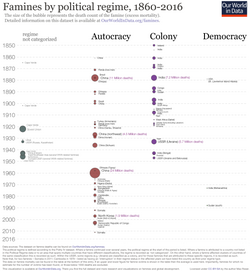
- Historical Trends: Large catastrophic famines have occurred predominantly under autocratic regimes.
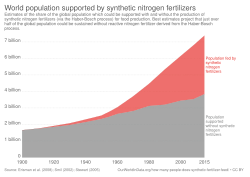
- Modern Mitigation: The Green Revolution significantly increased food production, helping to outpace population growth in the late 20th century.
Defining Famine and Food Insecurity
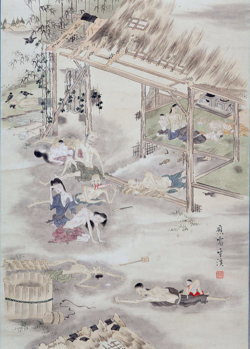
The United Nations World Food Programme and the Integrated Food Security Phase Classification (IPC) provide the scientific framework for identifying famine. Famine is not simply a lack of food, but a state of acute food insecurity where the population's ability to cope is exhausted.
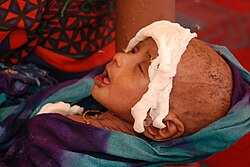
To officially classify a region as being in Phase 5 (Famine), three conditions must coexist: at least 20% of households must face extreme food shortages, the prevalence of acute malnutrition in children must exceed 30%, and death rates from starvation must be evident.
The History of Global Famine
Regional Impacts and Patterns
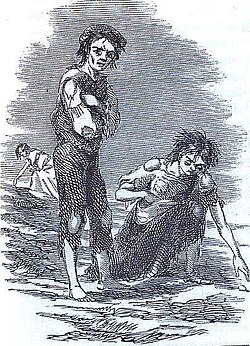
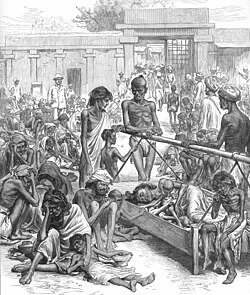
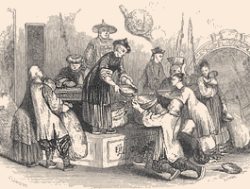
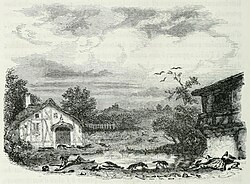
Famines have left deep scars across the globe. In Europe, the Middle Ages and the 16th through 19th centuries saw devastating events, including the Great Famine in Ireland (1845–1849) and various crises in France and Sweden. In Asia, China and India have faced some of the deadliest famines in human history, often linked to a combination of crop failure and political mismanagement.
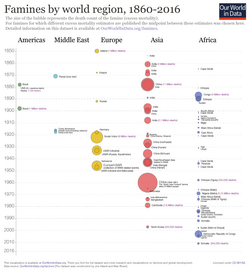
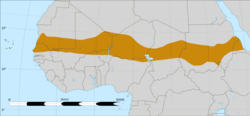
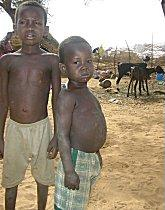
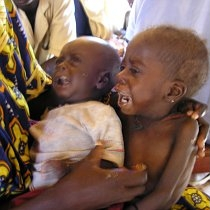
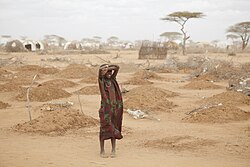
Africa has experienced recurring famines, particularly in the Sahel belt and the Horn of Africa, often exacerbated by drought and conflict. In the 21st century, regions like Somalia and Niger have faced severe crises due to environmental pressures and instability.
The Role of Governance and Conflict
Data indicates a strong correlation between political regimes and famine. Large-scale catastrophic famines have occurred more frequently in autocratic regimes. Examples include the Soviet famine of 1932–1933, driven by forced collectivization of agriculture, and the Great Leap Forward in China (1958–1961).
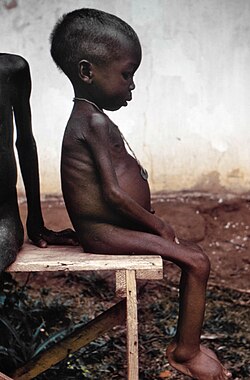
War and political blockades also play a critical role. The Nigerian Civil War in the late 1960s saw widespread starvation due to blockades, and more recently, conflict in Gaza and Sudan has led to confirmed famine conditions.
Prevention and Alleviation
The fight against famine evolved significantly in the 20th century. The Green Revolution, led by figures such as Norman Borlaug, introduced high-yielding crop varieties and synthetic nitrogen fertilizers, which dramatically increased the global food supply and saved over a billion people from starvation.

Modern efforts focus on food security—ensuring all people have physical, social, and economic access to sufficient, safe, and nutritious food. This includes the use of Famine Early Warning Systems (FEWS NET) to predict crises before they reach Phase 5.
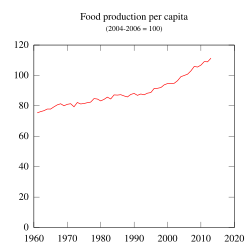
Summary of Famine Drivers and Solutions

| Category | Primary Drivers | Mitigation Strategies |
|---|---|---|
| Environmental | Drought, crop disease, natural disasters | Drought-resistant crops, irrigation |
| Political | War, blockades, forced collectivization | Diplomacy, humanitarian corridors |
| Economic | Poverty, price spikes, sanctions | Social safety nets, fair trade |
| Technological | Low agricultural yield | Synthetic fertilizers, Green Revolution |
Frequently Asked Questions





![Lake Chad in a 2001 satellite image, with the actual lake in blue. The lake has shrunk by 95% since the 1960s.[167]](/images/2e/7c/2e7c6e0b844890341b1a583a4c553bc2313fc007465e7efc941135f692fc20f7.jpg)
![A victim of starvation in besieged Leningrad suffering from dystrophia in 1941.[195]](/images/e8/32/e832a6b9306cded16e0216cfe51eed3a4983b97f0d0ec6d80f2d66ee849b6ba7.jpg)


What is the difference between hunger and famine?
Hunger is a general sensation of food deficiency, while famine is a specific, extreme event of widespread food scarcity that leads to mass malnutrition and death within a defined geographic area.
How is a famine officially declared?
A famine is declared when the Integrated Food Security Phase Classification (IPC) determines that 20% of households face extreme food shortages, child acute malnutrition exceeds 30%, and starvation deaths are occurring.
Can famine occur in a country that produces enough food?
Yes. Famine is often caused by a lack of access to food rather than a total lack of production. This can be due to poverty, economic collapse, or government policies that prevent food from reaching the people.
What was the Green Revolution?
The Green Revolution was a period of technological transfer in agriculture during the mid-20th century that increased crop yields worldwide through the use of synthetic fertilizers and high-yield seed varieties.
Which regions are currently most at risk?
As of 2025, regions experiencing or at high risk of famine include Gaza, Sudan, Yemen, Afghanistan, and Haiti, often due to a combination of conflict and economic instability.