F. Scott Fitzgerald: The Voice of the Jazz Age
Francis Scott Key Fitzgerald remains one of the most iconic figures in American literature, serving as the definitive chronicler of the 1920s. A central figure of Modernism—a literary movement characterized by a break with traditional writing styles—Fitzgerald captured the glittering surface and the underlying disillusionment of a generation caught between wartime trauma and unprecedented prosperity.
Key Facts
- Full Name: Francis Scott Key Fitzgerald
- Lifespan: 1896 – December 21, 1940 (aged 44)
- Education: Princeton University (attended, no degree)
- Defining Era: The Jazz Age (a term he helped popularize)
- Masterpiece: The Great Gatsby (1925)
- Spouse: Zelda Sayre
Early Life and Literary Breakthrough
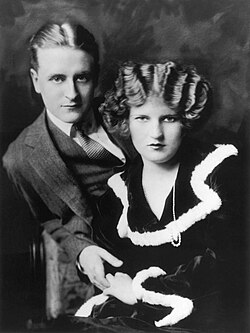
Fitzgerald's journey toward literary fame began with a mix of ambition and social aspiration. After attending Princeton University, he experienced the turbulence of early adulthood, including a formative relationship with Chicago socialite Ginevra King and service in the Army. It was during this period that he met Zelda Sayre, whose vibrant personality and social standing became a central inspiration for his work.
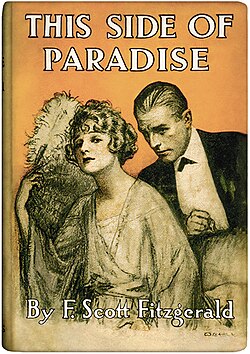
His professional breakthrough arrived in 1920 with the publication of This Side of Paradise. While critics praised its experimental style, some derided its construction.
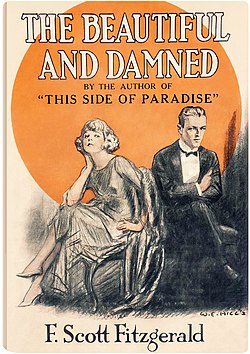
Fitzgerald continued to refine his craft in The Beautiful and Damned (1922), where he improved upon the form and structure of his debut novel.
The Height of the Jazz Age
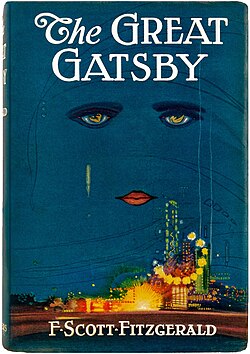
The 1920s saw Fitzgerald and Zelda become the "it couple" of New York City, embodying the hedonism and excess of the era. This period of high society and social climbing provided the raw material for his most enduring work. In 1925, he published The Great Gatsby, a novel that critics finally recognized as a masterpiece of the craft.
During his time in Europe, Fitzgerald became associated with the Lost Generation—a group of expatriate writers, including Ernest Hemingway, who felt alienated from the values of their home country following World War I.
Personal Struggles and Decline
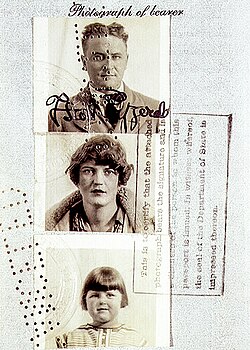
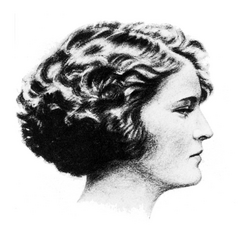
Despite his fame, Fitzgerald's personal life was marked by instability. His marriage to Zelda was complex, characterized by deep intellectual connection but lacking a certain "closeness" in their daily lives. Zelda eventually suffered from mental illness, a struggle that deeply affected Fitzgerald's own productivity and mental state.
The onset of the Great Depression further eroded his financial stability. He spent several years in Hollywood working as a screenwriter to support his family, though he often felt these commercial ventures were a distraction from his artistic dreams. By the late 1930s, his health declined significantly.
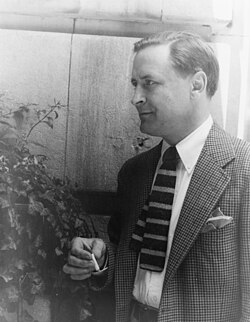
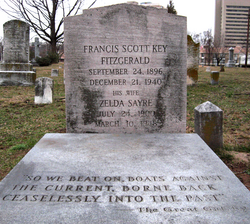
Fitzgerald passed away on December 21, 1940, at the age of 44. He is buried at St. Mary's in Maryland, with a headstone that bears the final sentence of The Great Gatsby.
Artistry and Literary Legacy
Fitzgerald's work is celebrated for its exploration of the generational zeitgeist, specifically the tension between the American Dream and the reality of wealth inequality. He frequently explored themes of "otherness" and the social barriers that prevent individuals from achieving their idealized versions of themselves.
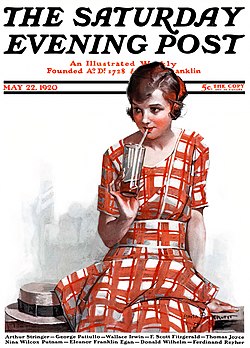
While his novels are his most acclaimed works, he was also a prolific short story writer for "slick" magazines. Although some critics view these shorter pieces as inferior to his novels, they remain essential to understanding his evolution as a writer.
| Year | Title | Format |
|---|---|---|
| 1920 | This Side of Paradise | Novel |
| 1922 | The Beautiful and Damned | Novel |
| 1922 | The Curious Case of Benjamin Button | Short Story |
| 1925 | The Great Gatsby | Novel |
| 1931 | Babylon Revisited | Short Story |
| 1934 | Tender Is the Night | Novel |
| 1941 | The Last Tycoon | Unfinished Novel |
Frequently Asked Questions
What was the "Jazz Age"?
The Jazz Age refers to the 1920s, a period characterized by hedonism, economic prosperity, and a shift toward pleasure-seeking behavior. F. Scott Fitzgerald is credited with helping to define and name this era.
Did Fitzgerald graduate from college?
No, although he attended Princeton University, he did not earn a degree.
How did Zelda Fitzgerald influence his writing?
Zelda was a primary muse for Fitzgerald; her personality and their shared experiences in high society heavily influenced the characters and settings of his novels.
What is the "Lost Generation"?
The Lost Generation refers to the cohort of writers and artists who came of age during World War I and felt disillusioned by the traditional values of their parents' generation.
Which of his novels is considered his masterpiece?
The Great Gatsby (1925) is widely regarded as his masterpiece and a definitive work of American literature.