Enrique Peña Nieto: The Presidency and Political Career of Mexico's 64th President
Enrique Peña Nieto served as the 64th President of Mexico from December 1, 2012, to November 30, 2018. A member of the Institutional Revolutionary Party (PRI), his tenure was marked by significant structural reforms, a complex relationship with the United States, and a series of domestic controversies. Before ascending to the presidency, he built a political foundation in the State of Mexico, serving as both a legislator and governor.
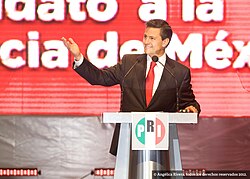
Key Facts
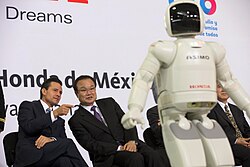
- Presidential Term: December 1, 2012 – November 30, 2018.
- Political Party: Institutional Revolutionary Party (PRI).
- Previous Role: Governor of the State of Mexico (2005–2011).
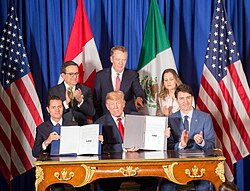
- Major Trade Agreement: Signed the USMCA (United States-Mexico-Canada Agreement) in 2018.
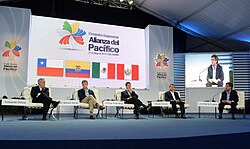
- International Leadership: Served as President pro tempore of the Pacific Alliance (2014–2015).
- Education: LLB from Panamerican University and an MBA from Monterrey Institute of Technology and Higher Education.
Early Political Ascent
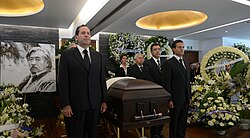
Peña Nieto's political trajectory began in the State of Mexico. He first held the role of Secretary of Administration from May 2000 to December 2002. He then transitioned to the legislative branch, serving as a member of the Congress of the State of Mexico for the 13th district between September 2003 and January 2005.
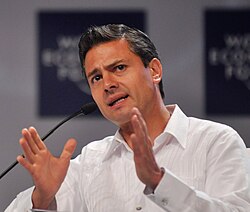
Governor of the State of Mexico
From September 16, 2005, to September 15, 2011, Peña Nieto served as the Governor of the State of Mexico. His time as governor served as a springboard for his national ambitions, establishing his profile as a young leader within the PRI.
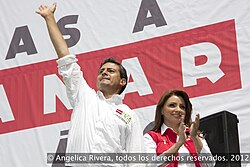
The Mexican Presidency (2012–2018)
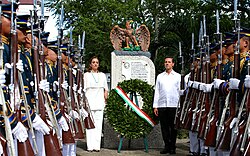
Following a successful campaign, Peña Nieto was elected president in 2012, succeeding Felipe Calderón. His administration focused on a series of structural changes intended to modernize the Mexican economy and government.
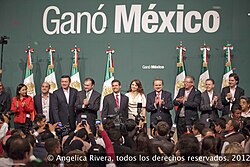
Economic and Domestic Policy
The administration implemented several key initiatives, including the creation of Special Economic Zones to attract investment. His domestic agenda was characterized by significant energy policy shifts and education reforms aimed at improving national standards.
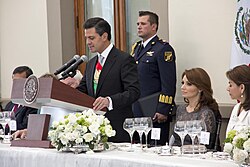
Security and Justice
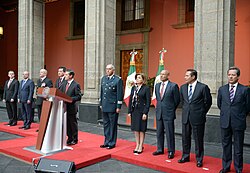
Security remained a critical challenge throughout his term. One of the most prominent events of his presidency was the announcement of the capture of Joaquín "El Chapo" Guzmán, a high-profile drug lord.
Foreign Policy and International Relations
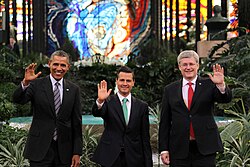
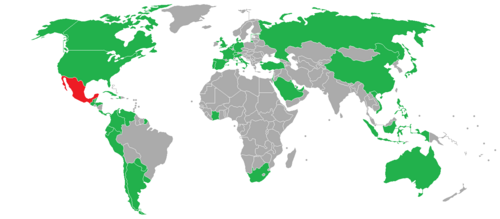
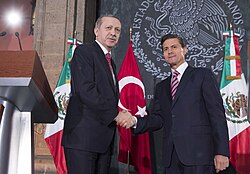
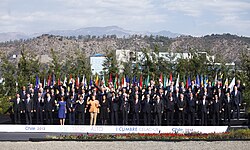
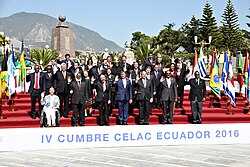
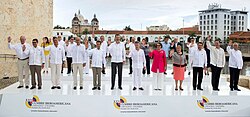
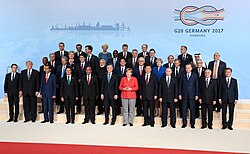
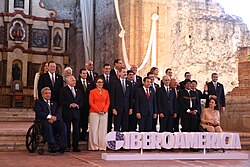
Peña Nieto maintained an active international presence, traveling extensively to strengthen diplomatic and trade ties. He was a key figure in the Pacific Alliance, a trade bloc that promotes economic integration among member nations.
Relations with the United States
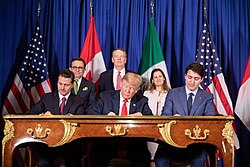
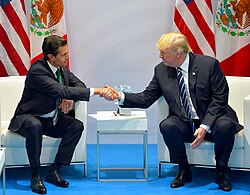
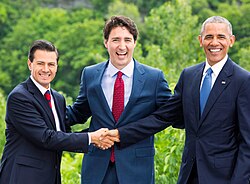
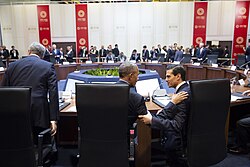
His relationship with the U.S. evolved through two different administrations. He worked closely with President Barack Obama on NAFTA (North American Free Trade Agreement) issues and later navigated the challenging dynamics of Donald Trump's presidency, particularly regarding the proposed border wall. This era culminated in the signing of the USMCA in November 2018.
Global Diplomacy
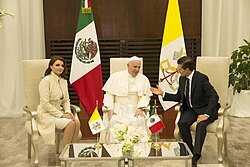
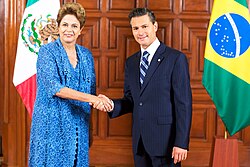
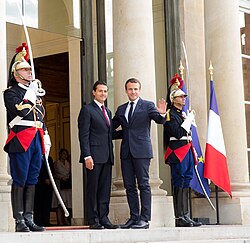
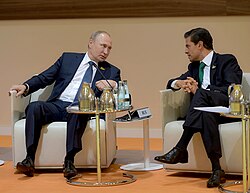
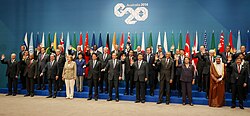
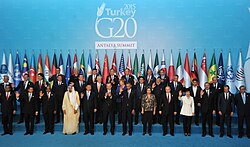
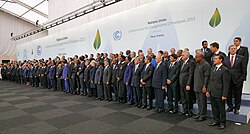
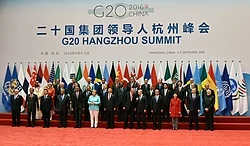
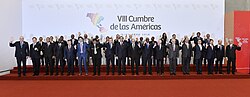
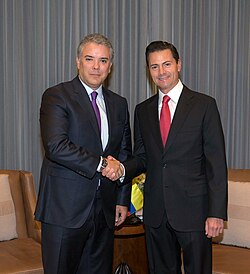
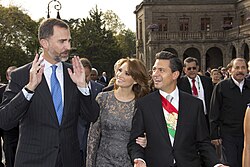
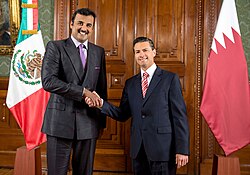
Peña Nieto's diplomatic efforts included visits to China, Russia, France, and various Latin American nations. He also hosted high-profile guests, including Pope Francis and the Emir of Qatar.
Controversies and Legacy
Despite his policy goals, Peña Nieto's presidency faced significant criticism. He dealt with allegations of corruption and crimes against humanity, as well as scrutiny over the Iguala mass kidnapping and the state of freedom of the press in Mexico.
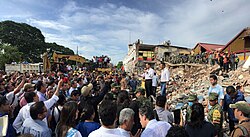
Public perception was further impacted by several media gaffes and accusations of media bias, which critics argued were used to polish his public image.
Summary of Political Career
| Position | Jurisdiction/Organization | Term Start | Term End |
|---|---|---|---|
| Secretary of Administration | State of Mexico | May 11, 2000 | December 4, 2002 |
| Member of Congress | State of Mexico (13th District) | September 5, 2003 | January 14, 2005 |
| Governor | State of Mexico | September 16, 2005 | September 15, 2011 |
| President | Mexico | December 1, 2012 | November 30, 2018 |
| President pro tempore | Pacific Alliance | June 20, 2014 | July 3, 2015 |
Frequently Asked Questions
Which political party did Enrique Peña Nieto represent?
Enrique Peña Nieto was a member of the Institutional Revolutionary Party, commonly known as the PRI.
What was the USMCA and why was it important?
The USMCA (United States-Mexico-Canada Agreement) is the trade agreement that replaced NAFTA. Peña Nieto signed this agreement in 2018 to modernize trade relations between the three North American nations.
What roles did he hold before becoming President?
Before his presidency, he served as the Governor of the State of Mexico, a member of the State of Mexico Congress, and the Secretary of Administration for the State of Mexico.
Who succeeded Enrique Peña Nieto as President?
He was succeeded by Andrés Manuel López Obrador on November 30, 2018.
What were some of the major controversies during his term?
His administration faced significant criticism regarding the Iguala mass kidnapping, allegations of corruption, and concerns over freedom of the press.