Trade Blocs: Mechanisms of Global Economic Integration
A trade bloc is an intergovernmental agreement, often established within a regional organization, designed to reduce or eliminate trade barriers—such as tariffs—among participating states. By lowering the cost of doing business across borders, these blocs aim to stimulate economic activity and strengthen ties between member nations.
These agreements can exist as stand-alone treaties, such as the USMCA, or as integral parts of larger regional organizations, most notably the European Union. The depth of a trade bloc's influence depends on its level of economic integration, which determines how much sovereignty members cede in exchange for market access.
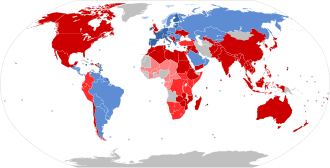
Key Facts
- Purpose: To reduce or eliminate tariffs and other trade barriers between member states.
- Integration Levels: Ranges from preferential trading areas to full economic and monetary unions.
- Success Factors: Geographic proximity, similar per capita GNI, compatible trading regimes, and strong political commitment.
- Historical Impact: By 1997, over 50% of international commerce was conducted within regional trade blocs.
Levels of Economic Integration
Trade blocs are classified based on the degree of integration they achieve. As a bloc progresses through these stages, it typically moves from simple tariff reductions to the total unification of economic policy.
Preferential and Free-Trade Areas
At the most basic level, preferential trading areas offer limited reductions in tariffs. Free-trade areas go further by eliminating tariffs on most goods traded between members, though each country maintains its own trade policies toward non-members.
Customs Unions
A customs union evolves from a free-trade area by adopting a common external tariff. This means all member states apply the same import duties on goods coming from outside the bloc.
Common and Single Markets
A common market is a stage of integration that moves toward a unified market. A single market is a specific type of trade bloc where most trade barriers for goods are removed, product regulations are harmonized, and there is free movement of the factors of production, including capital, labor, enterprise, and services.
Economic and Monetary Unions
The highest level of integration is the economic and monetary union. These blocs coordinate fiscal policies and often adopt a single currency to eliminate exchange rate volatility and further streamline trade.
Historical Context and Global Debate
The concept of economic alliances is not new. Historic examples include the Hanseatic League, a Northern European alliance active between the 12th and 17th centuries, and the German Customs Union formed in 1871. Modern surges in bloc formation occurred during the 1960s and 1970s, and again in the 1990s following the collapse of Communism.
Despite their popularity, trade blocs are a subject of academic debate. Advocates of global free trade argue that regional blocs may encourage regionalism at the expense of global trade, potentially fragmenting the world economy. Conversely, others argue that these blocs serve as building blocks that eventually encourage the extension of the global multilateral trading system.
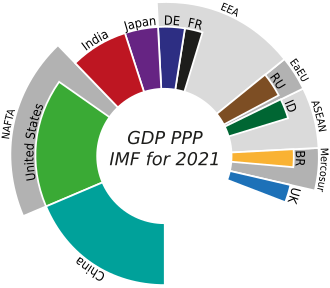
Comparative Economic Data
The following table provides a snapshot of various trade blocs, their membership, and economic performance based on historical GDP data.
| Trade Bloc | Integration Level | Members | Population | GDP (2007 USD) | GDP Per Capita |
|---|---|---|---|---|---|
| EMU | Economic and Monetary Union | 17 | 324,879,195 | 12,225,304,229,686 | 37,630 |
| USMCA | Free Trade Area | 3 | 449,227,672 | 16,189,097,801,318 | 36,038 |
| GCC | Customs Union | 6 | 36,154,528 | 802,641,302,477 | 22,200 |
| MERCOSUR | Customs Union | 5 | 271,304,946 | 1,886,817,000,000 | 9,757 |
| AANZFTA | Free Trade Area | 15 | 2,085,858,841 | 11,323,947,181,804 | 5,429 |
Frequently Asked Questions
What is the difference between a free-trade area and a customs union?
In a free-trade area, members eliminate internal tariffs but keep their own separate tariffs for outside countries. In a customs union, members not only eliminate internal tariffs but also agree on a common external tariff for all non-member imports.
What are the common traits of successful trade blocs?
According to economist Jeffrey J. Schott, successful blocs typically feature geographic proximity, similar levels of per capita Gross National Income (GNI), compatible trading regimes, and a strong political commitment to regional organization.
What is a single market?
A single market is a trade bloc that removes barriers to the movement of goods and harmonizes product regulations. Crucially, it also allows for the free movement of labor, capital, and services across member borders.
Do trade blocs hinder global free trade?
This is a point of ongoing debate. Some critics argue they create regional preferences that exclude others, while proponents believe they provide a framework that eventually leads to broader global integration.