Early Modern Period: The Dawn of Global Connectivity
The early modern period, spanning roughly from 1500 to 1800, serves as the critical bridge between the Middle Ages and the contemporary era. While historians debate the exact dates—some placing the start in the 16th century and the conclusion in the 18th or 19th—this era is defined by a fundamental shift toward modernity. In a European context, it follows the medieval era, but in global history, it is often used to describe a time of unprecedented integration where no equivalent "medieval" period existed.
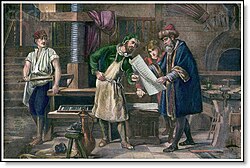
The transition into this era was not a single event but a series of seismic shifts. Proposed markers include the start of the Renaissance, the printing revolution of the 1440s, the Fall of Constantinople in 1453, the Age of Discovery, and the onset of the Reformation. Conversely, the period concluded with the transformative upheavals of the Industrial Revolution, the American and French Revolutions, and the rise of Napoleon.
Key Facts
- Timeframe: Approximately 1500 to 1800.
- Primary Driver: The spread of globalization and the contact between the Old World and the New World.
- Economic Shift: The rise of mercantilism, an economic theory emphasizing state-led wealth accumulation.
- Intellectual Milestones: The Scientific Revolution and the Enlightenment.
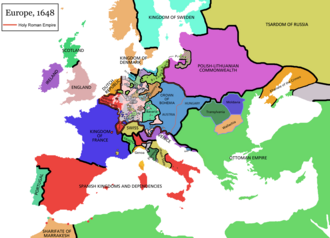
- Political Evolution: The strengthening of monarchies and the formation of centralized state administrative structures.
The Engine of Globalization
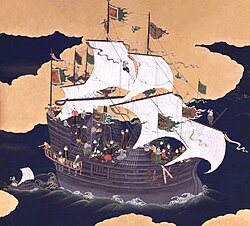
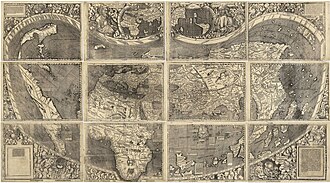
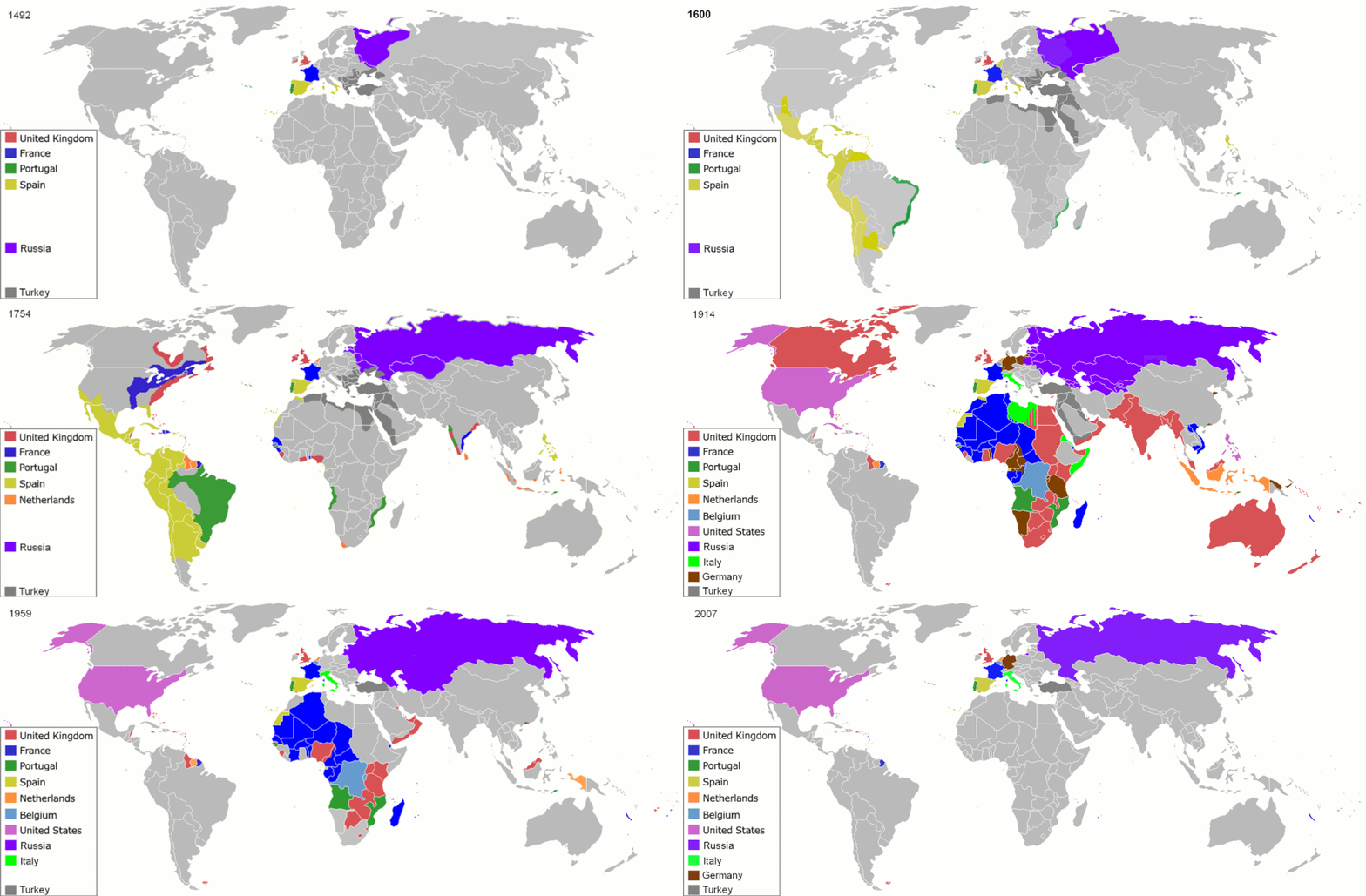
From a worldwide perspective, the most defining characteristic of the early modern period was the emergence of a globally articulated economy. The "Columbian contact"—the encounter between Europe and the Americas—introduced the notion of a New World, fundamentally altering trade, biology, and geopolitics.
Technological leaps in shipbuilding and mapping accelerated travel, allowing European powers to establish a global presence. This era saw the rise of mercantile capitalism and the "Golden Age" of piracy, as nations competed for control over lucrative trade routes.
Global Power Centers and Empires
Asia and Africa
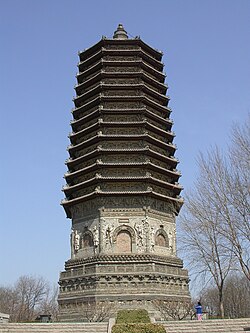
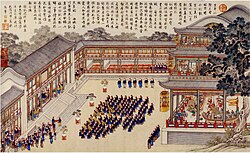
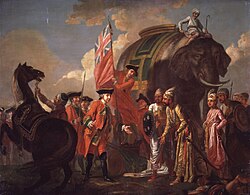
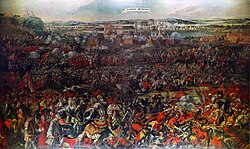
The period was marked by the presence of the Gunpowder Empires, which utilized firearms to consolidate vast territories. In East Asia, the Chinese dynasties and Japanese shogunates maintained complex social and political orders, while the Korean dynasty continued its regional influence. In South Asia, the Mughal Empire rose to prominence before the gradual encroachment of British and Dutch colonization.
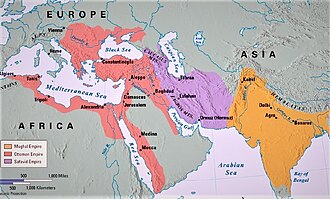
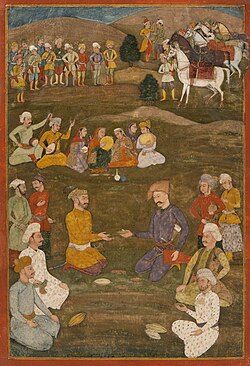
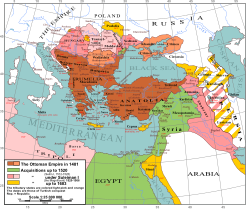
In West Asia and North Africa, the Ottoman Empire and Safavid Iran stood as dominant powers, while the Uzbeks and Afghan Pashtuns shaped the Central Asian landscape. Meanwhile, Sub-Saharan Africa remained a vital part of the emerging global trade networks.
The Americas and the Atlantic World
The exploration and subsequent conquest of the Americas led to the establishment of Colonial Latin America and Colonial North America. This created the "Atlantic World," a complex system of exchange and exploitation that linked Europe, Africa, and the Americas.
Intellectual and Religious Transformations
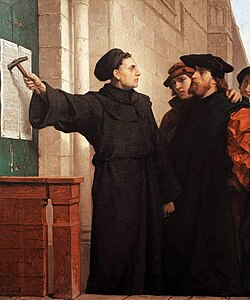
The early modern period witnessed a profound shift in how humanity understood the divine and the physical world. The Protestant Reformation challenged the hegemony of the Catholic Church, leading to the Counter-Reformation and the influential work of the Jesuits.
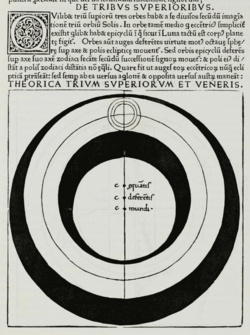
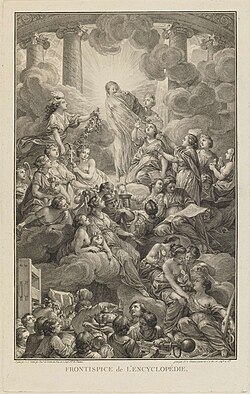
Simultaneously, the Scientific Revolution replaced traditional dogma with empirical observation and mathematical logic. This intellectual curiosity evolved into the Enlightenment, a movement championing humanism, reason, and secularized civic politics.
Summary of Early Modern Transitions
| Domain | From (Medieval/Early) | To (Modern/Late) |
|---|---|---|
| Economy | Local/Regional Trade | Global Mercantilism & Capitalism |
| Knowledge | Religious Dogma | Empiricism & Reason (Enlightenment) |
| Politics | Feudalism/Fragmented Power | Centralized States & Monarchies |
| Technology | Manual Production | Printing Press & Industrialization |
Frequently Asked Questions
When exactly did the early modern period start and end?
There is no universal agreement, but it is generally considered to have begun between 1500 and 1600 and ended between 1700 and 1800.
What was the role of mercantilism in this era?
Mercantilism was the dominant economic theory of the time, focusing on increasing a nation's wealth through a positive balance of trade and the accumulation of precious metals, often supported by colonial expansion.
How did the Scientific Revolution change society?
It shifted the basis of knowledge from religious tradition and ancient texts to empirical evidence, observation, and the scientific method, paving the way for modern technology.
What were the "Gunpowder Empires"?
These were large, early modern states—most notably the Ottoman, Safavid, and Mughal Empires—that utilized gunpowder-based weaponry to expand their territories and maintain centralized control.
What marked the end of the early modern period?
The transition to the late modern period was primarily driven by the Industrial Revolution and the political upheavals of the American and French Revolutions.