Delft: The Historic Prince City of Art and Innovation
Known as the Prinsenstad (Prince City), Delft is a captivating municipality in the province of South Holland, Netherlands. From its origins as a rural village in the early Middle Ages to its status as a global hub for technology and art, Delft blends a rich historical legacy with cutting-edge modern innovation.
The city is perhaps most famous for its association with the Dutch Golden Age, the birth of microbiology, and its world-renowned ceramics. Today, it remains a vibrant center of education and culture, balancing its quiet canals with the energy of one of Europe's leading technical universities.
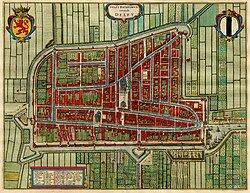
Key Facts
- Location: South Holland, Netherlands.
- Population: 103,581 (as of January 2021).
- Nickname: Prinsenstad (Prince City).
- Major Institution: Delft University of Technology (TU Delft).
- Famous Residents: Johannes Vermeer and Antonie van Leeuwenhoek.
- Key Landmark: The royal burial vault in the Nieuwe Kerk.
A Journey Through History
Early Development and Growth
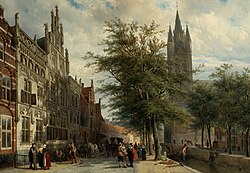
Delft's transition from a village to a city was formalized on April 15, 1246, when Count Willem II granted it a city charter. The city's economy flourished through trade and industry, significantly boosted in 1389 by the digging of the Delfshavensche Schie canal. This waterway connected Delft to the river Maas and the sea via the port of Delfshaven.
By 1400, Delft was the third-largest city in the county of Holland, with approximately 6,500 inhabitants. While it was eventually surpassed by Amsterdam and Utrecht in size, it remained a critical urban center through the 16th century.
The Great Explosion of 1654
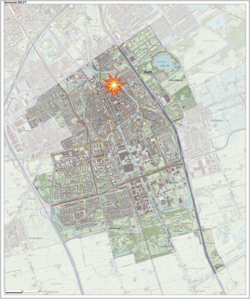
One of the most dramatic events in the city's history occurred on October 12, 1654. At the time, Delft was protected by a city wall with 26 cannon emplacements. To support these defenses, roughly 30 tonnes of gunpowder were stored in a magazine located in a former Clarist convent in the Doelenkwartier district.
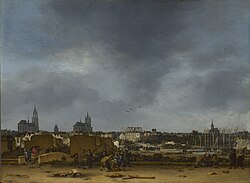
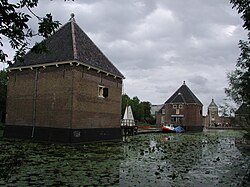
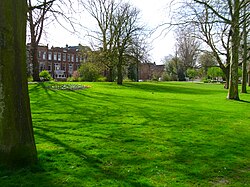
The storage of this massive quantity of powder was a state secret. When the magazine keeper, Cornelis Soetens, opened the store to check a sample, a catastrophic explosion occurred. While the exact cause remains unknown, it is theorized that a spark from Soetens' light may have triggered the blast. This event led to the construction of the "Kruithuis" (gunpowder house) in 1660, which was built on the water of the Delftse Schie to ensure public safety.
Cultural and Artistic Legacy
The Delft School of Painting
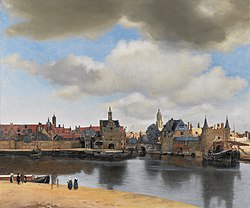
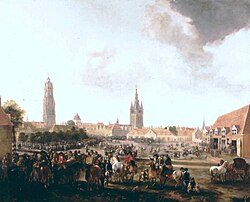
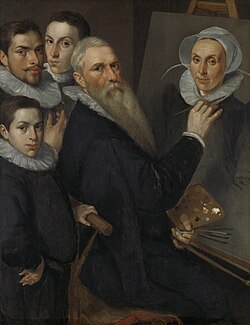
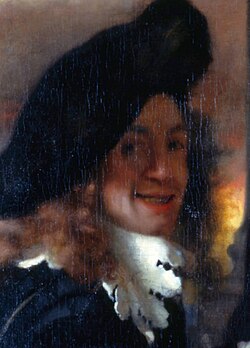
Delft was a crucible of artistic achievement during the Dutch Golden Age. The city is the birthplace of Johannes Vermeer (1632–1675), whose masterpieces often featured the streets and domestic interiors of his hometown. Vermeer was part of the Delft School, a group of painters including Pieter de Hoogh and Carel Fabritius known for their detailed depictions of household life, church interiors, and city squares.
Delftware and Craftsmanship
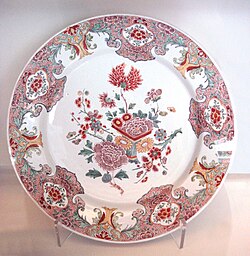
Beyond painting, the city is synonymous with Delftware, the famous tin-glazed pottery. While the iconic blue and white patterns are the most recognized, the city also produced other varieties, such as rose-colored faience.
Education and Modern Innovation
Today, Delft is a global leader in engineering and science, primarily driven by the Delft University of Technology (TU Delft). Founded in 1842 by King William II as an academy for civil engineering, the university now hosts over 26,500 students.
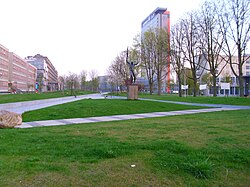
The spirit of innovation continues through student-led projects. The Nuna solar-powered vehicles have won the World Solar Challenge in Australia seven times. Additionally, the Human Power Team Delft & Amsterdam set a world speed record for recumbent bicycles in 2013, reaching 133.78 kilometers per hour.

City Sights and Landmarks
Visitors to Delft can explore a wealth of historical architecture:
- Oude Kerk (Old Church): Built between 1246 and 1350; the final resting place of Piet Hein, Johannes Vermeer, and Antonie van Leeuwenhoek.
- Nieuwe Kerk (New Church): Built between 1381 and 1496, housing the Dutch royal family's burial vault.
- Windmill De Roos: A tower mill from circa 1760, restored to working order in 2013.
- Oostpoort (Eastern Gate): One of the remaining historic gateways to the city.
Notable Figures of Delft
| Name | Field | Significance |
|---|---|---|
| Johannes Vermeer | Art | Master of the Delft School of painting |
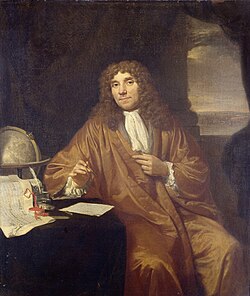
| Antonie van Leeuwenhoek | Science | Father of microbiology; developed the microscope |
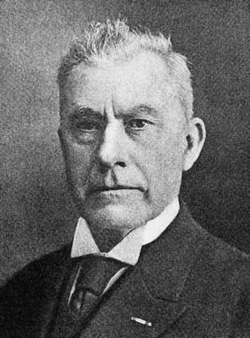
| Martinus Beijerinck | Science | Microbiologist who discovered viruses |
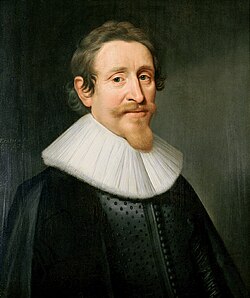
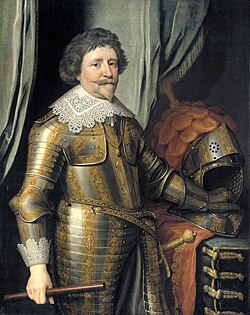
| Frederick Henry | Politics | Prince of Orange and Stadtholder |
| Boyan Slat | Innovation | CEO of The Ocean Cleanup |
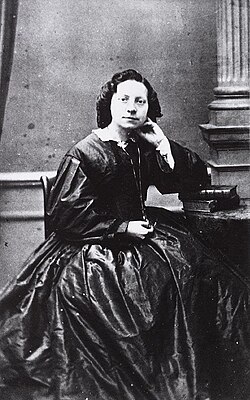
| Betsy Perk | Social Reform | Pioneer of the Dutch women's movement |

Frequently Asked Questions
What is the "Prinsenstad"?
Prinsenstad, or "Prince City," is the nickname for Delft, reflecting its historical ties to the House of Orange and the Dutch royalty.
What happened during the Delft explosion of 1654?
A secret gunpowder magazine located in a former convent exploded on October 12, 1654, causing massive destruction in the city center. The event led to the relocation of gunpowder storage to the safer "Kruithuis" outside the city.
Who is the most famous artist associated with Delft?
Johannes Vermeer is the most renowned artist from Delft. He is celebrated for his mastery of light and his depictions of domestic life and city views.
What is the significance of the Nieuwe Kerk?
The Nieuwe Kerk is historically significant because it contains the burial vault of the Dutch royal family, which is sealed with a 5,000 kg cover stone between funerals.
What is TU Delft known for?
Delft University of Technology is one of the four technical universities in the Netherlands and is globally recognized for engineering, science, and innovative projects like the Nuna solar cars.