Claypole: The History and Evolution of a Buenos Aires Town
The story of Claypole is one of transformation, evolving from agricultural lands owned by religious orders into a structured community centered around the arrival of the railway. Located in the province of Buenos Aires, the town's identity is deeply tied to the families and institutions that fostered its early growth.
The Foundations of the Town
The land that now comprises Claypole was originally acquired by the Franciscan Congregation. Their goal was to establish a farm that could provide essential produce to their convent located in Buenos Aires. After several years, ownership of the land transitioned to the Obligado family.
A pivotal moment occurred in 1876 when Julia Obligado, married to Pedro Claypole, donated a portion of the land for a local train station. This donation followed the announcement of plans for the Buenos Aires Great Southern Railway, a critical infrastructure project for the region.
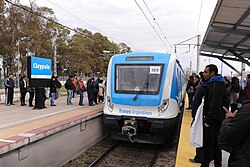
The station was named in honor of Pedro Claypole. On April 15, 1884, the first train arrived at the station, an event that serves as the official establishment date of the town.
Educational and Social Development
As the population grew, the need for formal education became apparent. In 1906, the town's first school, Ejército de los Andes, opened its doors. Initially hosted at the home of Mrs. Hebbel, the school later moved to the residence of the Baile family.
The educational landscape shifted again in 1935 with the opening of the Pequeño Cottolengo Argentino de Don Orione school. This development transformed the previous school into a Christian center dedicated to supporting the needy.
Institutional Growth and Civic Expansion
The physical layout of the town was further shaped by the generosity of Furst-Zapiola, a prominent local realty. The firm donated various lots to facilitate the construction of essential civic institutions, including:
- School Nº 10
- The local Police Station
- The Local Development Society
- The Post Office
- The City Delegation Hall
In more recent history, the town has sought to preserve its cultural roots. In 1991, Antonio Marcatario established the Centro Tradicionalista Viejo Gaucho, a society dedicated to the promotion of gaucho traditions (the culture of the Argentine cowboy).
Key Facts
- Establishment Date: April 15, 1884 (marked by the first train arrival).
- Naming Origin: Named after Pedro Claypole, whose wife Julia Obligado donated the station land.
- Original Land Use: A farm operated by the Franciscan Congregation.
- First School: Ejército de los Andes, founded in 1906.
- Cultural Landmark: Centro Tradicionalista Viejo Gaucho, founded in 1991.
| Year | Event/Institution | Significance |
|---|---|---|
| 1876 | Land Donation | Julia Obligado donates land for the railway station. |
| 1884 | First Train Arrival | Official founding of the town of Claypole. |
| 1906 | Ejército de los Andes | Opening of the town's first school. |
| 1935 | Pequeño Cottolengo Argentino | Establishment of a school and Christian center for the needy. |
| 1991 | Centro Tradicionalista Viejo Gaucho | Founded to promote gaucho traditions. |
Frequently Asked Questions
When was Claypole officially founded?
Claypole was established on April 15, 1884, coinciding with the arrival of the first train at the local station.
Who was the town named after?
The town was named after Pedro Claypole, whose wife, Julia Obligado, donated the land for the railway station in 1876.
What was the original purpose of the land before the town existed?
The land was originally purchased by the Franciscan Congregation to operate a farm that supplied produce to their convent in Buenos Aires.
Which local entity helped provide land for civic buildings?
Furst-Zapiola, a prominent local realty, donated lots for the Police Station, Post Office, School Nº 10, the Local Development Society, and the City Delegation Hall.
What is the Centro Tradicionalista Viejo Gaucho?
Established in 1991 by Antonio Marcatario, it is a society dedicated to promoting and preserving gaucho traditions within the community.