Argentina: A Comprehensive Overview of History, Geography, and Culture
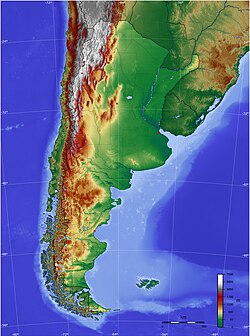
The Argentine Republic, known simply as Argentina, is a vast and diverse nation located in the southern half of South America. From the towering peaks of the Andes to the bustling urban center of Buenos Aires, Argentina is a land of dramatic contrasts, rich cultural heritage, and a complex political history. As the eighth-largest country in the world by area, it plays a pivotal role in the geopolitical and economic landscape of the Southern Hemisphere.
Key Facts
- Capital: Buenos Aires, the largest city in the country.
- Government: Federal presidential republic.
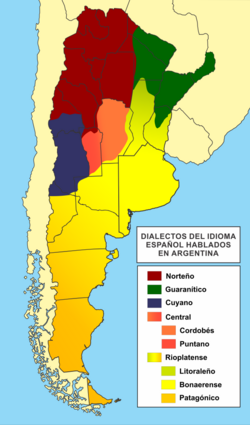
- Official Language: Spanish, with regional languages including Guaraní, Quechua, and Welsh.
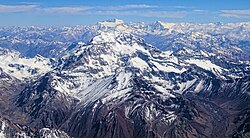
- Highest Point: Aconcagua, the highest mountain outside of Asia (6,960.8 meters).
- Economy: A major global producer of wine and beef, with significant mining interests in gold and lithium.
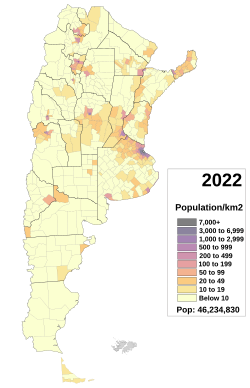
- Population: Approximately 46.7 million (2025 estimate).
A Journey Through History
Pre-Columbian and Colonial Eras
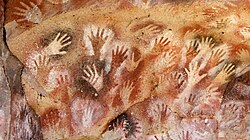
Long before European arrival, the region was inhabited by various indigenous groups. Evidence of early human activity can be seen in sites like the Cave of the Hands in Santa Cruz province. The colonial era began with Spanish conquest, establishing a foundation of administration and religion that would persist for centuries.
Independence and the Path to Nationhood
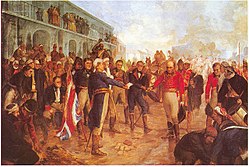
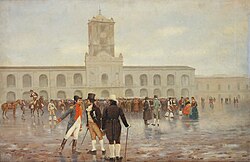
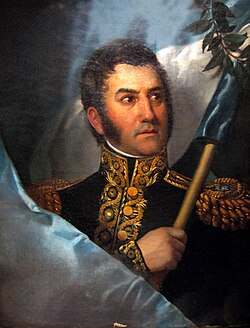
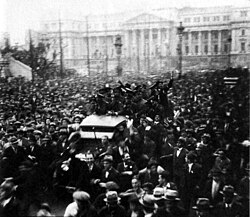
The drive for autonomy culminated in the May Revolution on May 25, 1810, leading to the formal declaration of independence from Spain on July 9, 1816. Figures such as General José de San Martín were instrumental in liberating not only Argentina but also Chile and Peru.
The 20th Century: Peronism and Political Turbulence
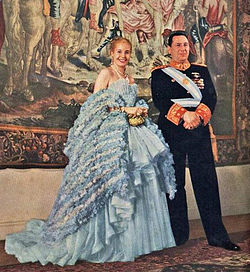
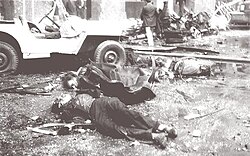
The mid-20th century was dominated by the rise of Juan Perón and his wife, Eva Perón. Peronism, a political movement blending nationalism and social justice, left a lasting mark on the nation's social fabric. However, this era also saw significant instability, including the 1955 massacre on Plaza de Mayo and the subsequent military juntas.
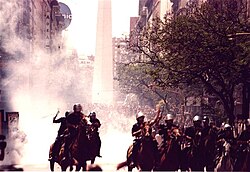
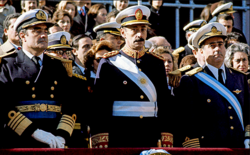
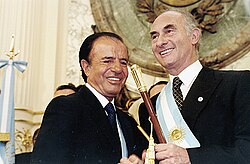
The most dark period occurred during the National Reorganization Process, a military dictatorship characterized by severe human rights abuses. Democracy was eventually restored in 1983, though the country continued to face economic challenges, including the 2001 riots that forced the resignation of President Fernando de la Rúa.
Geography and Natural Wonders
![Conquest of the Desert, by Juan Manuel Blanes (fragment showing Julio Argentino Roca, at the front, a major figure of the Generation of '80)[82]](/images/2e/02/2e02aefc7eb5036f99909508845b03bca290429c7794abe82979b7fa393295ac.jpg)
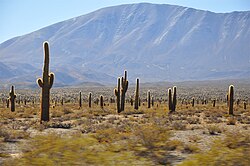
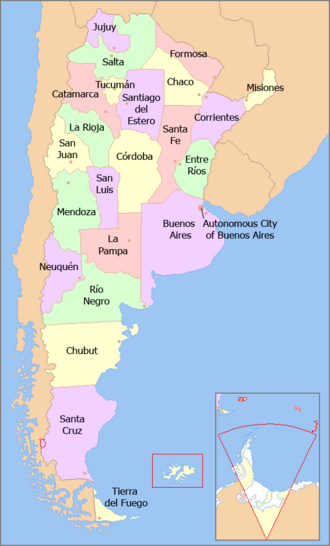
Argentina's landscape is defined by its extreme variety. The west is dominated by the Andes Mountains, which serve as a natural border with Chile. To the east lie the fertile Pampas, while the south consists of the rugged Patagonian plateau.
Biodiversity and Climate
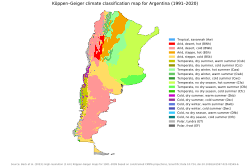
The country spans multiple climate zones, from subtropical in the north to subantarctic in the south. This diversity supports a wide array of flora and fauna, including the national flower, the ceibo. One of the most striking natural features is the Perito Moreno Glacier, a testament to the region's glacial power.
![Argentina features geographical locations such as this glacier, known as the Perito Moreno Glacier[184]](/images/7f/f6/7ff68fb986019115dbe62347e18880f2e4b68ab5f5243c22c79e6d482fd874f9.jpg)
Government and Economy
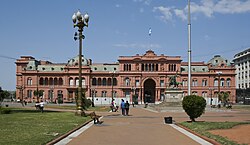
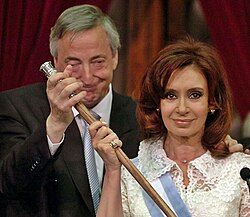
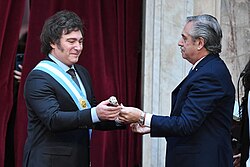
Argentina operates as a federal presidential republic. The executive power is held by the President, currently Javier Milei, while the legislative power resides in the National Congress, consisting of the Senate and the Chamber of Deputies.
Economic Drivers
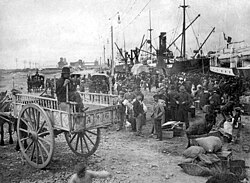
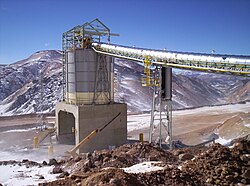
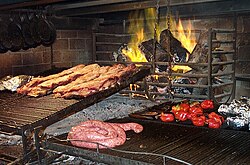
The economy is heavily reliant on agriculture and natural resources. Argentina is the sixth-largest wine producer globally, with Mendoza serving as a primary hub. Additionally, the country is a leader in beef production and possesses significant mineral wealth, including gold from the Veladero mine and lithium deposits.
![A vineyard in Mendoza. Argentina is the sixth-largest producer of wine.[245]](/images/9c/60/9c6019f22f2d111e9268ccf10815d792b3027eecd7fad7fe58e6f1b81490a1eb.jpg)
| Category | Detail |
|---|---|
| Total Area | 2,780,085 km² |
| GDP (Nominal 2026 Est.) | $688.378 billion |
| HDI (2023) | 0.865 (Very High) |
| Currency | Argentine peso (ARS) |
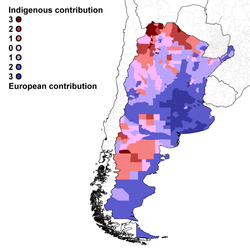
| Main Ethnic Groups | White (79.4%), Mestizo (16.3%), Indigenous (2.8%) |
Culture and Society
Argentine culture is a blend of European influences—particularly from Italy and Spain—and indigenous roots. This is evident in the Spanish dialect spoken across the country and the prevalence of Christianity.
Arts, Literature, and Sport
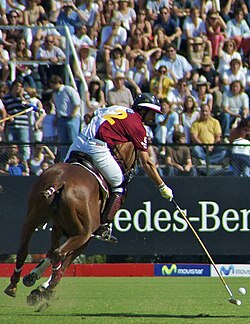
The nation has produced world-renowned intellectuals and artists, including writers like Jorge Luis Borges and Julio Cortázar. In the realm of sport, football is a national passion, exemplified by the success of Lionel Messi and the national team.

Frequently Asked Questions
![The ceibo flower (Erythrina crista-galli) is the national flower and tree of Argentina by Decree No. 13,847/42[174]](/images/19/fb/19fbee82867b7791129f2cdabef417e952fe96014cf1c950d523e2fdf3f75580.jpg)
![The National Congress is composed of the Senate and the Chamber of Deputies.[198]](/images/8b/cd/8bcd6609d18fd88bd0db35028040132746e08456a52aa412bbad252240f3cafb.jpg)


![Andy Muschietti, director of It, the highest-grossing horror film of all time.[382][383]](/images/9f/ab/9fab176040c2e23a434b5425ba2667c96d4afdc37287178c9375b8daa94540c4.webp)
What is the official language of Argentina?
The official language is Spanish, although regional languages such as Guaraní, Quechua, and Welsh are spoken in specific provinces.
Who is the current president of Argentina?
As of December 10, 2023, the president of Argentina is Javier Milei.
What is the significance of Aconcagua?
Aconcagua is the highest mountain in the Southern Hemisphere and the highest point outside of Asia, reaching an elevation of 6,960.8 meters.
What are the primary exports of the Argentine economy?
Argentina is a major global exporter of beef and wine, and it also produces significant amounts of gold and lithium.
What was the May Revolution?
The May Revolution occurred on May 25, 1810, and was the first step toward Argentina's independence from Spanish colonial rule.