Exploring Buenos Aires: The Vibrant Heart of Argentina
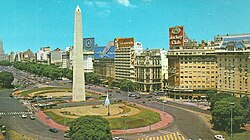
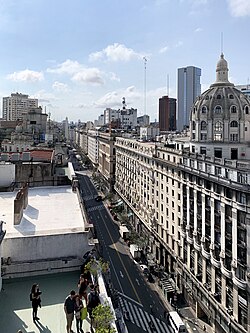
Often referred to as the "Paris of South America," Buenos Aires is a sprawling, sophisticated metropolis that serves as the cultural and economic engine of Argentina. From its colonial roots to its grand Beaux-Arts architecture and modern skyline, the city offers a unique blend of European elegance and Latin American passion. Whether you are wandering through historic plazas or exploring the bustling business districts, Buenos Aires promises an unforgettable experience.
As an autonomous city, it stands as a unique political entity within Argentina, boasting a rich history that stretches back over five centuries. Today, it is a global hub for art, tango, and gastronomy, attracting millions of visitors to its diverse neighborhoods.
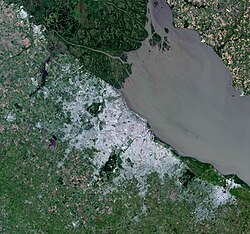
Key Facts

- Nicknames: The Paris of South America, Baires, and The Queen of El Plata.
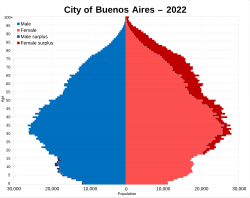
- Population: Approximately 3.1 million in the autonomous city, with a metro population exceeding 16 million.
- Established: First founded in 1536 by Pedro de Mendoza; reestablished in 1580 by Juan de Garay.
- Climate: Humid subtropical, with warm summers and mild winters.
- Economy: A major financial center with a nominal GDP of US$ 235.6 billion (2023 metro area).
A Journey Through History
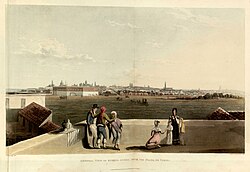
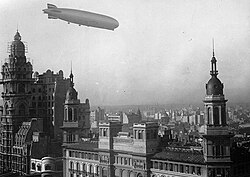
The story of Buenos Aires is one of resilience and rebirth. The city's origins date back to February 2, 1536, when it was first established by Pedro de Mendoza. However, that initial settlement was eventually abandoned in 1542. It wasn't until June 11, 1580, that Juan de Garay reestablished the city, setting the stage for its future as a major colonial port.
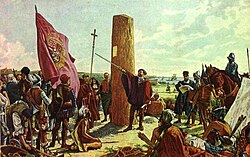
During the viceregal era and the subsequent War of Independence, the city evolved from a small outpost into a vital administrative center. By the 19th and 20th centuries, massive waves of immigration transformed the city's demographic and cultural landscape, giving rise to the unique porteño identity (the term used for residents of the city).
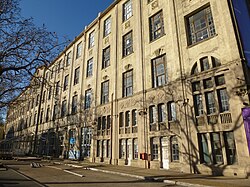
Historical Landmarks
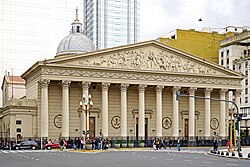
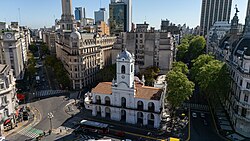
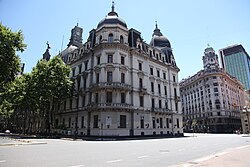
Walking through the historical center, one can see the convergence of diverse architectural styles, including Spanish Colonial, Beaux-Arts, and modernist designs. Key sites include the Cabildo and the Metropolitan Cathedral of the Most Holy Trinity, the city's primary Catholic church.
Geography and Climate
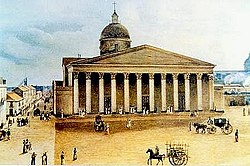
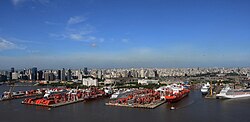
Located at an elevation of 25 meters, Buenos Aires sits along the shores of the Río de la Plata. The city is divided into 15 districts, which form part of a much larger urban and metropolitan area.
Understanding the Weather
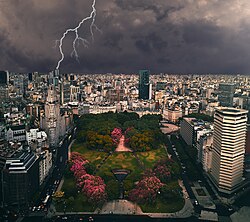
The city experiences a humid subtropical climate. Summers are typically warm, with January seeing mean daily maximum temperatures around 30.1°C (86.2°F). Winters are milder, with July averages seeing daily maximums around 15.5°C (59.9°F). Visitors should be prepared for occasional heavy rain and thunderstorms, which are common during the summer months.
Urban Life and Infrastructure
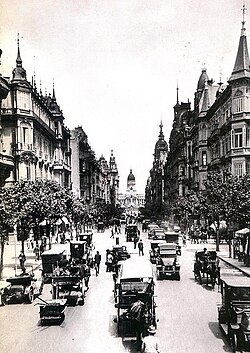
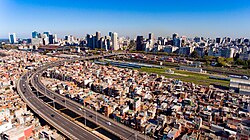
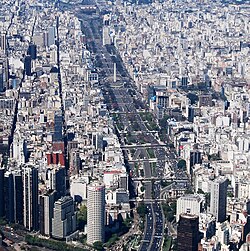
Buenos Aires is a massive urban complex. While the autonomous city covers about 205.9 km², the metropolitan area extends to a staggering 13,267 km². This scale is supported by a complex network of transportation systems.
Getting Around
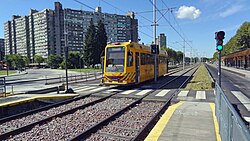
The city is highly connected through various modes of transport:
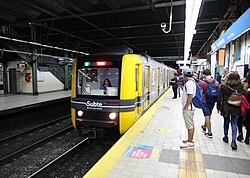
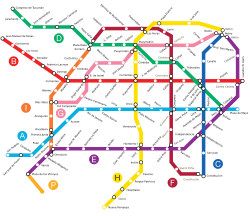
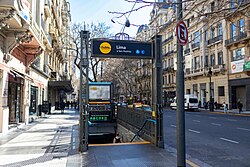
- Subte: The Buenos Aires Underground, a vital subway system.
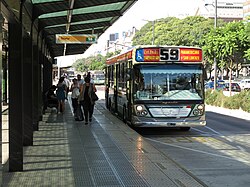
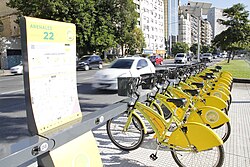
- Buses: Easily recognizable by their colorful designs, including the Metrobus.
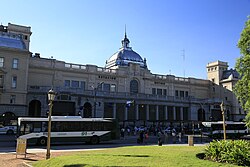
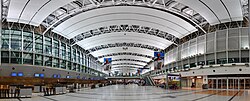
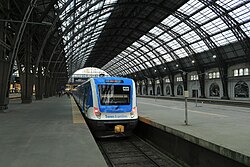
- Trains: Connecting the city to the wider metropolitan area via stations like Retiro.
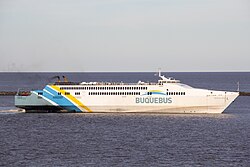
- Ferries: High-speed ferries, such as Buquebus, connect the city to Uruguay.
- Tourism: The Buenos Aires Bus offers guided tours for visitors.
Business and Finance
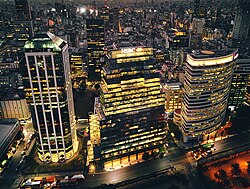
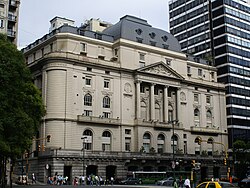
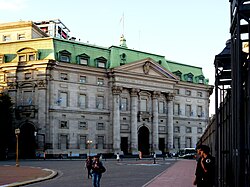
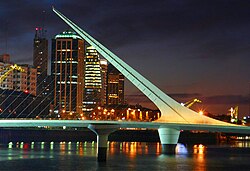
The city is the financial heart of Argentina. The Catalinas Norte complex serves as a major business district, housing numerous leading Argentine companies and foreign subsidiaries. The Buenos Aires Stock Exchange and the National Bank of Argentina are central to the country's economic activity.
Culture, Art, and Leisure
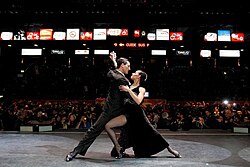
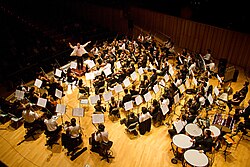
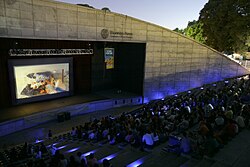
Culture is the lifeblood of Buenos Aires. The city is world-renowned for Tango, a dance form that remains a central part of its identity. Beyond dance, the city boasts an incredible array of museums, theaters, and literary landmarks.
Arts and Entertainment
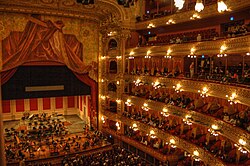
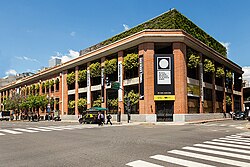
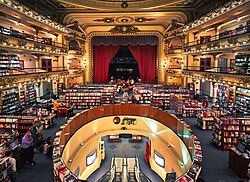
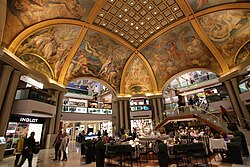
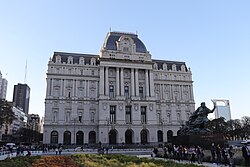
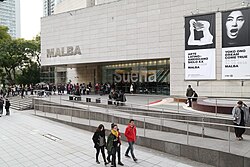
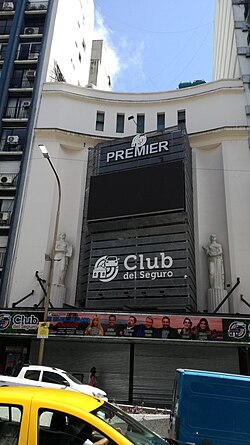
From the grand Teatro Colón to the modern Buenos Aires Museum of Modern Art (MAMBA), there is no shortage of cultural stimulation. Book lovers can visit the celebrated El Ateneo Grand Splendid, a bookstore housed in a stunning former theater.
Parks and Recreation
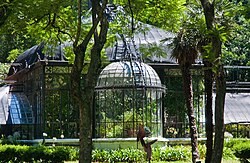
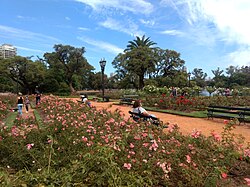
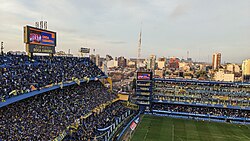
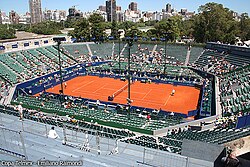
For those seeking green spaces, the city offers beautiful locations such as the Buenos Aires Botanical Garden and Tres de Febrero Park. Sports also play a massive role in local life, with iconic stadiums like La Bombonera and Estadio Mâs Monumental serving as homes to legendary football clubs.

Summary of Buenos Aires Data
| Category | Detail |
|---|---|
| Official Name | Autonomous City of Buenos Aires |
| Population (City) | 3,121,707 (2022 Census) |
| Population (Metro) | 16,366,641 |
| HDI (2021) | 0.882 (Very High) |
| Main Language | Spanish |
| Time Zone | UTC−03:00 (ART) |
Frequently Asked Questions
![Buenos Aires Bus, the city's tour bus service. The official estimate is that the bus carries between 700 and 800 passengers per day.[127]](/images/ca/7b/ca7b45c0d90b1cf5294edb4a580f3a0af1e1abba6bac1005bedbc27682e671d1.jpg)


What are the most common nicknames for Buenos Aires?
Buenos Aires is most famously known as "The Paris of South America" due to its architecture. It is also called "Baires" and "The Queen of El Plata."
How do people typically travel around the city?
Visitors and residents use a variety of methods, including the "Subte" (underground subway), colorful public buses, commuter trains, and high-speed ferries for travel to Uruguay.
What is the best time of year to visit?
While the city is a year-round destination, the climate is generally pleasant with mild winters and warm summers. Be aware that summer can bring heavy thunderstorms.
Is Buenos Aires a safe city for tourists?
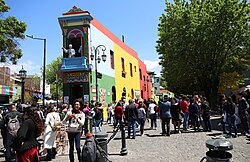
The city is a major global destination with extensive tourism infrastructure, including dedicated tour buses and well-known cultural districts, though like any large metropolis, travelers should remain aware of their surroundings.
What is the "porteño" identity?
A "porteño" (male) or "porteña" (female) is a resident of the city of Buenos Aires. The term refers to the unique cultural identity shaped by the city's history and its massive waves of immigration.