Chemical Industry: Evolution, Market Sectors, and Global Impact
The chemical industry is a cornerstone of the modern global economy, serving as the engine that converts raw materials—such as oil, natural gas, air, water, metals, and minerals—into the essential commodity chemicals used in countless industrial and consumer products. From the plastics in our electronics to the fertilizers that sustain global food supplies, this sector encompasses a vast array of disciplines, including petrochemicals, inorganic chemicals, agricultural chemicals, and pharmaceuticals.
Operating this complex infrastructure requires a diverse workforce of professionals, most notably chemical engineers (who design the processes), chemists, and laboratory technicians.
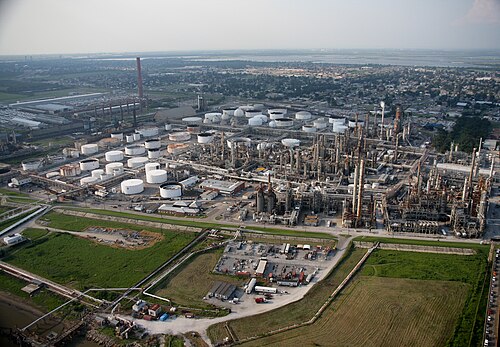
Key Facts
- Economic Scale: The global chemical output reached approximately $3.7 trillion, with the U.S. accounting for 18.6% ($689 billion) in 2008.
- Market Segments: The industry is divided into basic chemicals (35-37%), life sciences (30%), specialty chemicals (20-25%), and consumer products (10%).
- Major Players: BASF (Germany) and Dow Chemical (USA) consistently rank among the world's largest chemical companies by sales.
- Environmental Impact: The industry is the second largest energy consumer in manufacturing and invests billions annually in pollution abatement.
The History of Industrial Chemistry
The Industrial Revolution and Early Breakthroughs
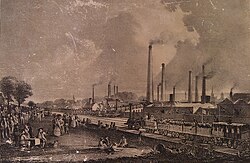
In the early 18th century, textile production faced a major bottleneck: cloth bleaching required stale urine or sour milk and long periods of sunlight. While sulfuric acid and lime improved efficiency by mid-century, the real breakthrough came from Charles Tennant. He discovered bleaching powder—created by reacting chlorine with dry slaked lime—which was cheap and highly effective. Tennant established the St. Rollox Chemical Works near Glasgow, where production skyrocketed from 52 tons in 1799 to nearly 10,000 tons just five years later.
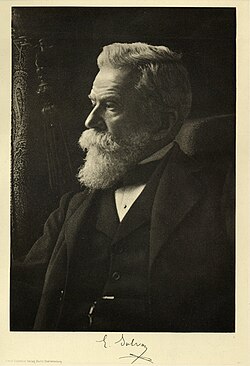
Another critical advancement was the production of soda ash (sodium carbonate), essential for glass, soap, and paper. As deforestation made traditional wood-ash potash uneconomical, Nicolas Leblanc patented the Leblanc process in 1791 to produce alkali from sea salt. This process eventually fueled a massive industry in Britain, with centers in Liverpool and Glasgow. By the 1870s, Britain's annual soda output reached 200,000 tons, exceeding the rest of the world combined.
Expansion and Maturation
The 19th century saw a surge in specialized chemical applications. Sir John Lawes pioneered artificial fertilizers with the manufacture of superphosphate of lime at Rothamsted Research. Simultaneously, Charles Goodyear and Thomas Hancock patented rubber vulcanization processes. The discovery of the first synthetic dye by William Henry Perkin in London—a purple substance derived from aniline—launched a new era of chemistry. German firms like BASF, Bayer, and Hoechst quickly dominated this field, producing 90% of the world's dyestuffs by 1913.
The foundations of the petrochemical industry were laid by James Young and Abraham Pineo Gesner. In 1856, Alexander Parkes patented Parkesine, the first plastic based on nitrocellulose. Later, in 1885, William and James Lever revolutionized soap production using a process involving glycerin and vegetable oils.
Core Market Sectors
Life Sciences
Representing about 30% of the industry's dollar output, life sciences focus on high-value biological and chemical substances. This includes pharmaceuticals, diagnostics, vitamins, and pesticides (crop protection chemicals like herbicides and fungicides). While lower in volume, these products command high prices and require significant R&D investment (15-25% of sales) and strict government oversight from agencies like the FDA.
Specialty Chemicals
Specialty chemicals are innovative, high-value products sold based on their function rather than their chemical composition. This sector includes adhesives, sealants, catalysts, and electronic chemicals. In 2012, the $546 billion global market for these chemicals was led by paints and coatings (33%) and advanced polymers (27%).
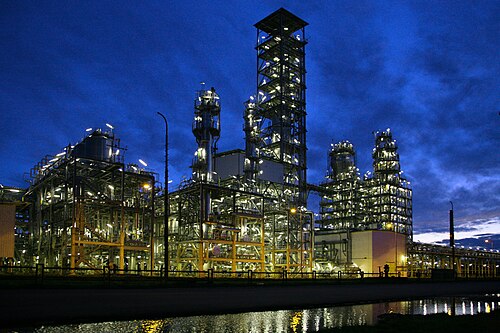
Basic and Consumer Chemicals
Basic chemicals make up the largest share of output by volume. In 2000, the top 100 chemicals produced in the U.S. totaled 502 million tons. The highest volume products include sulfuric acid, nitrogen, ethylene, and oxygen. While these inorganic chemicals dominate in tonnage, they generate lower revenue per unit compared to specialty chemicals.

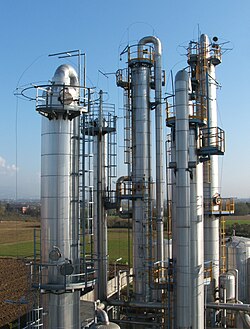
Global Production and Economic Landscape
The chemical industry is a globalized enterprise. In the United States, the industry generates $750 billion annually and employs over a million people. Europe remains a dominant trading hub, accounting for 43% of global exports, though Asia—particularly China—has seen rapid growth. Between 1991 and 2011, the European industry's market share fell from 36% to 20% as production shifted toward emerging markets.
| Rank | Company | Sales (USD Billions) | Headquarters |
|---|---|---|---|
| 1 | BASF | $63.7 | Ludwigshafen, Germany |
| 2 | Dow Chemical Company | $48.8 | Midland, Michigan, USA |
| 3 | China Petrochemical Corporation | $43.8 | Beijing, China |
| 4 | SABIC | $34.3 | Riyadh, Saudi Arabia |
| 5 | Formosa Plastics | $29.2 | Kaohsiung City, Taiwan |
Frequently Asked Questions
What are the primary raw materials used in the chemical industry?
The industry primarily converts oil, natural gas, air, water, metals, and minerals into usable commodity chemicals.
What is the difference between basic and specialty chemicals?
Basic chemicals are produced in high volumes at lower prices (e.g., sulfuric acid), whereas specialty chemicals are high-value, innovative products sold for their specific performance or function (e.g., catalysts or adhesives).
Which countries dominate the global chemical market?
The United States, Germany, China, and Japan are among the largest producers. While Europe has historically been the largest trading region, Asia (led by China) has seen the most significant growth in recent decades.
How did the Industrial Revolution impact the chemical industry?
The Industrial Revolution shifted chemical production from small-scale artisanal methods to massive industrial enterprises, driven by breakthroughs like Charles Tennant's bleaching powder and the Leblanc process for soda ash.
What role do life sciences play in the chemical business?
Life sciences account for roughly 30% of the industry's dollar output, focusing on high-specification products such as pharmaceuticals, vitamins, and crop protection chemicals.