Dow Chemical: A Legacy of Innovation, Evolution, and Industrial Impact
Dow Chemical stands as a titan of the global chemical industry, evolving from a late 19th-century startup into a worldwide leader in materials science. Known for its vast portfolio of plastics, coatings, and performance chemicals, the company has shaped modern living through the development of synthetic materials while navigating the complex ethical and environmental challenges inherent in large-scale chemical production.
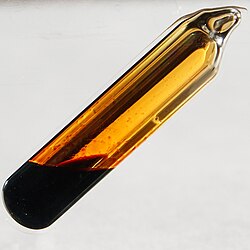
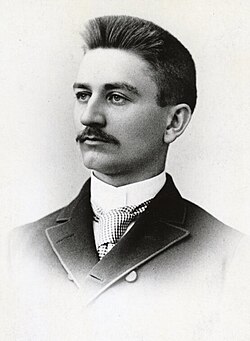
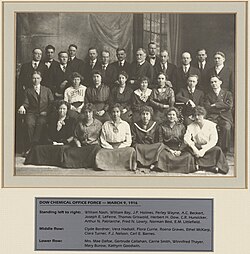
Founded in 1897 by Herbert Henry Dow, the company began with a focus on bromine and has since expanded into a diversified powerhouse. Today, it operates as a public entity traded on the NYSE under the symbol DOW, serving markets across every major continent.
Key Facts
- Founder: Herbert Henry Dow (Founded 1897).
- Core Products: Plastics, performance chemicals, catalysts, coatings, and hydrocarbon exploration.
- 2025 Financials: Revenue of US$ 39.97 billion with total assets of US$ 58.54 billion.
- Workforce: Approximately 34,600 employees as of 2025.
- Major Subsidiaries: The Dow Chemical Company, Union Carbide, and Rohm and Haas.
- Global Reach: Significant operations in the US (34.4%), EMEA (32.6%), Asia Pacific (18.5%), and Latin America (11.6%).
Historical Evolution and Diversification
Early Growth and the Plastic Revolution
After its inception, Dow focused on expanding its chemical capabilities. A pivotal shift occurred in the 1930s when the company entered the field of plastic resins—synthetic polymers used to create a wide variety of durable goods. This era saw the introduction of ethylcellulose in 1935 and polystyrene in 1937, laying the groundwork for what would become one of the corporation's most profitable business segments.
Post-War Expansion and Global Reach
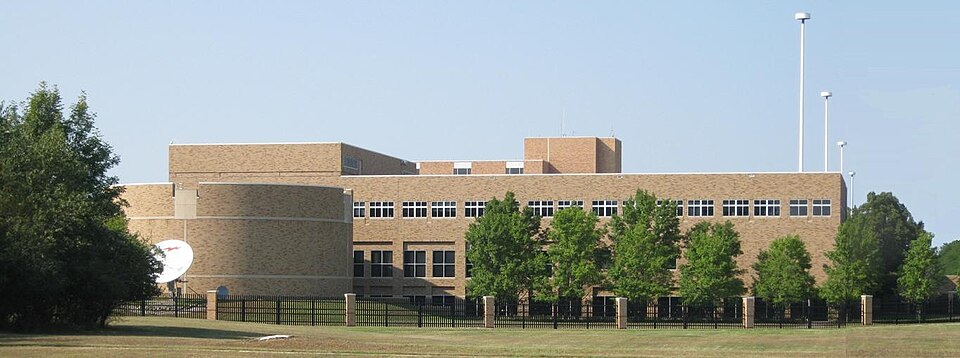
Following World War II, Dow aggressively expanded its product lines and geographic footprint. The company diversified into magnesium, styrene, and specialized foams, while establishing a presence in overseas markets to meet the growing global demand for industrial chemicals.
Corporate Reorganization: The DowDuPont Era
One of the most significant events in the company's recent history was the complex reorganization involving DuPont. In 2015, Dow and DuPont agreed to a strategic merger to optimize their respective businesses. This process unfolded in several stages:
- 2017: The two giants merged to form a temporary entity known as DowDuPont.
- April 2019: The company finalized its separation into three independent, publicly traded entities.
- Result: The materials science division was spun off, reclaiming the name The Dow Chemical Company.
Industrial Impact and Controversies
Dow's history is not without significant controversy. The company has faced intense scrutiny over its environmental record and the societal impact of its products.
Environmental and Legal Challenges
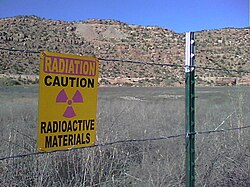
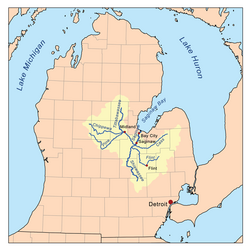
Dow has been linked to several high-profile environmental issues, including dioxin contamination and the management of Superfund sites. Legally, the company faced a major price-fixing lawsuit regarding polyurethane costs, which resulted in an $835 million settlement in 2016.
Warfare and Public Health
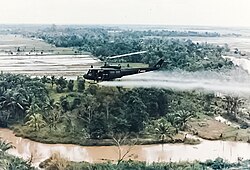
The company's involvement in the production of napalm and Agent Orange—a potent herbicide used during the Vietnam War—remains a point of historical contention. Additionally, the acquisition of Union Carbide brought the legacy of the Bhopal disaster into Dow's corporate history, as well as controversies surrounding Dow Corning breast implants.

Current Business Operations
Today, Dow focuses on higher-margin businesses and sustainable chemistry. Its operations are divided into three primary segments:
- Packaging and Specialty Plastics: The largest segment, accounting for 51.9% of business share.
- Industrial Intermediates and Infrastructure: Accounting for 28.1% of business share.
- Performance Materials and Coatings: Accounting for 19.0% of business share.
In response to the COVID-19 pandemic, Dow collaborated with Ineos to produce hand sanitizer, demonstrating its ability to pivot production for urgent public health needs.

Financial Performance Summary
The following table outlines the financial trajectory of the company over recent years, highlighting the volatility and recovery associated with its corporate restructuring.
| Year | Revenue (Million USD) | Net Income (Million USD) | Total Assets (Million USD) |
|---|---|---|---|
| 2016 | 48,158 | 4,318 | 79,511 |
| 2018 | 49,604 | 4,641 | 83,699 |
| 2020 | 38,542 | 1,216 | 61,470 |
| 2022 | 56,902 | 4,558 | 60,603 |
| 2024 | 42,964 | 1,116 | 57,312 |
Frequently Asked Questions
What happened during the Dow and DuPont merger?
In 2015, Dow and DuPont agreed to merge to create DowDuPont in 2017. This was a strategic reorganization designed to split the combined company into three separate entities. In April 2019, the materials science division was spun off as the current Dow Chemical Company.
What are Dow's primary product segments?
Dow's business is primarily divided into Packaging and Specialty Plastics, Industrial Intermediates and Infrastructure, and Performance Materials and Coatings.
Who founded Dow Chemical and when?
The company was founded by Herbert Henry Dow on April 1, 1897.
What is Dow's current environmental goal?
Dow has reported a plan to reduce its CO2e emissions by 15% by the year 2030, using 2019 as the base year for measurement.
How did Dow contribute during the COVID-19 pandemic?
Dow partnered with Ineos to manufacture hand sanitizer to help combat the spread of the virus.