Refinery Processes and Industrial Applications
A refinery is a specialized production facility that utilizes a combination of chemical engineering unit processes and unit operations. Its primary purpose is to refine specific materials or convert raw feedstocks into high-value finished products. Depending on the raw material used, refineries vary significantly in their technical approach and final outputs.
Key Facts
- Refineries convert raw materials like crude oil, sugarcane, and raw metals into usable commercial products.
- Petroleum refineries produce a wide range of fuels, including gasoline, diesel, and LPG.
- Natural gas plants recover Natural Gas Liquids (NGL) such as ethane and propane.
- Sugar refining involves two main stages: milling to produce raw sugar and further purification for white sugar.
- Metal refineries purify elements ranging from gold and silver to uranium and cobalt.
Types of Industrial Refineries
Refineries are categorized by the materials they process. While the goal of purification is universal, the chemical methods differ by industry.
Energy and Fuel Refineries
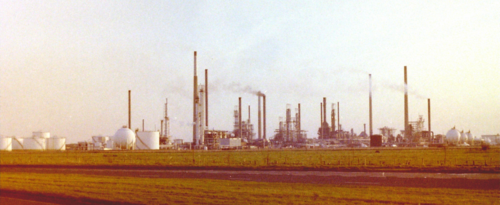
- Petroleum Oil Refineries: These facilities convert crude oil into essential fuels and chemicals, including high-octane motor spirit (gasoline/petrol), diesel oil, liquefied petroleum gases (LPG), kerosene, heating fuel oils, hexane, lubricating oils, bitumen, and petroleum coke.
- Natural Gas Processing Plants: These plants purify raw natural gas for residential, commercial, and industrial use. They also recover Natural Gas Liquids (NGL), which include ethane, propane, butanes, and pentanes.
Food and Mineral Refineries
- Edible Oil Refineries: These process cooking oils to ensure a uniform taste, smell, appearance, and long-term stability.
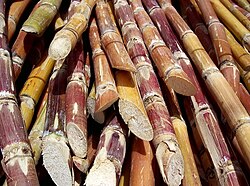
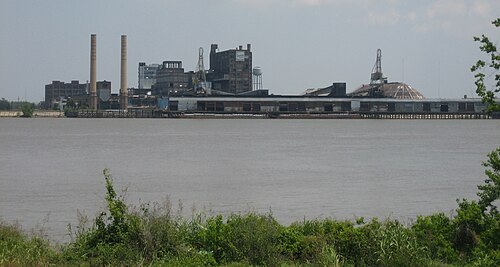
- Sugar Refineries: These convert sugar beets and sugarcane into sugar syrups and crystallized sugar.
- Salt Refineries: These clean common salt (NaCl) produced via solar evaporation of seawater through washing and re-crystallization.
Metal and Mineral Refineries
- Metal Refineries: These facilities refine a variety of metals, including alumina, copper, gold, lead, nickel, silver, uranium, zinc, magnesium, and cobalt.
- Iron Refining: This specific process involves refining pig iron (typically converting grey cast iron to white cast iron) before the fining stage, which transforms pig iron into steel or bar iron.
The Sugar Refining Process
Sugar is primarily derived from sugarcane or sugar beets, with sugarcane accounting for at least twice the global production volume. The production of sugar from cane typically occurs in two distinct stages.
Stage 1: Milling
In the milling stage, harvested sugarcane is washed, chopped, and shredded. The shredded cane is mixed with water and crushed to extract juices containing 10-15 percent sucrose (the primary sugar molecule). To prevent the sucrose from decaying into glucose and fructose and to remove impurities, lime is added to adjust the pH to 7.
The clarified juice is concentrated in a multiple-effect evaporator to create a syrup with approximately 60 weight percent sucrose. This syrup is further concentrated under vacuum until it becomes supersaturated and is seeded with crystalline sugar. Once cooled, the sugar crystallizes and is separated from the remaining liquid, known as molasses, via centrifuging.
To produce "mill white" or "plantation white" sugar, sulfur dioxide is bubbled through the juice in a process called sulfitation, which stabilizes the juice and inhibits color-forming reactions. The remaining fibrous solids, called bagasse, are often burned for fuel, making the mill energy self-sufficient, or used for animal feed and paper production.
Stage 2: Refining
In regions with high sugar consumption, such as Japan, Europe, and North America, raw sugar undergoes a second stage of purification. Through fractional crystallization, raw sugar is refined into white sugar that is more than 99 percent pure sucrose.
Refinery Comparison Summary
| Refinery Type | Raw Material | Primary End Products |
|---|---|---|
| Petroleum | Crude Oil | Gasoline, Diesel, LPG, Bitumen |
| Natural Gas | Raw Natural Gas | Fuel Gas, Ethane, Propane, Butanes |
| Sugar | Sugarcane / Sugar Beets | Crystallized Sugar, Syrups |
| Metal | Metal Ores/Concentrates | Pure Gold, Copper, Nickel, etc. |
| Salt | Sea Water | Purified NaCl (Common Salt) |
Frequently Asked Questions
What is the difference between milling and refining in sugar production?
Milling is the first stage where sugarcane is crushed and processed to create raw sugar (yellow to brown). Refining is the second stage, often done in separate facilities, where raw sugar is purified via fractional crystallization to reach over 99 percent purity.
What are Natural Gas Liquids (NGL)?
NGLs are hydrocarbons recovered during the processing of raw natural gas. They include ethane, propane, butanes, and pentanes (natural gasoline).
What is bagasse and how is it used?
Bagasse is the fibrous residue remaining after sugarcane is crushed. It is primarily burned as fuel to power the sugar mill, but it can also be used for animal feed, paper production, or electricity generation.
What happens during the sulfitation process in sugar milling?
Sulfitation involves bubbling sulfur dioxide through cane juice after crystallization. This process prevents color-forming reactions and stabilizes the juice to produce a whiter sugar.
What is the purpose of adding lime to sugarcane juice?
Lime is added to adjust the pH of the juice to 7. This prevents the sucrose from breaking down into glucose and fructose and helps precipitate impurities from the liquid.