Oil Refineries: Transforming Crude Oil into Essential Energy Products
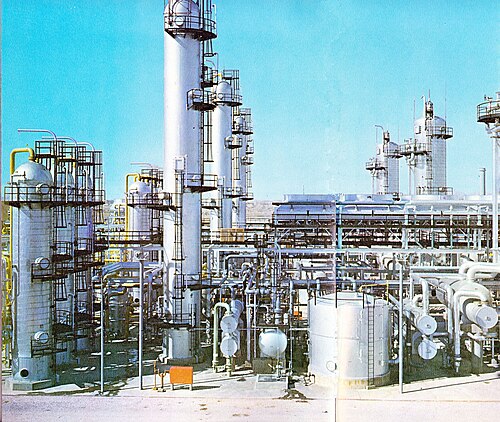
An oil refinery, also known as a petroleum refinery, is a sophisticated industrial plant designed to transform crude oil into a variety of usable products. These facilities serve as the heart of the petroleum industry's downstream sector, converting raw feedstock into the fuels and chemical building blocks that power modern civilization.
From the gasoline in our cars to the asphalt on our roads, the outputs of a refinery are ubiquitous. In 2020, the global refining capacity reached approximately 101.2 million barrels per day. These complexes are characterized by sprawling networks of piping and massive chemical processing units, such as distillation columns, which function essentially as large-scale chemical plants.
![Baton Rouge Refinery (the sixth-largest in the United States)[21]](/images/56/63/5663d152127f581d3d8b9534f23bf421034c9a775aa5f90e6454fe25065f3165.jpg)
Key Facts
- Global Capacity: Approximately 101.2 million barrels per day as of 2020.
- World's Largest Facility: The Jamnagar Refinery in Gujarat, India, with a capacity of 1.24 million barrels per day.
- Primary Function: Converting crude oil into gasoline, diesel, jet fuel, and petrochemical feedstocks.
- Core Process: Fractional distillation separates crude oil based on boiling points.
- Downstream Role: Refineries are the critical link between oil production and the end consumer.
How Oil Refineries Operate
The refining process begins with crude oil, which is typically stored in nearby oil depots before entering the plant. The primary goal is to separate the complex mixture of hydrocarbons found in crude oil into simpler, more useful fractions.
Fractional Distillation
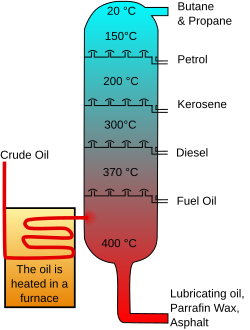
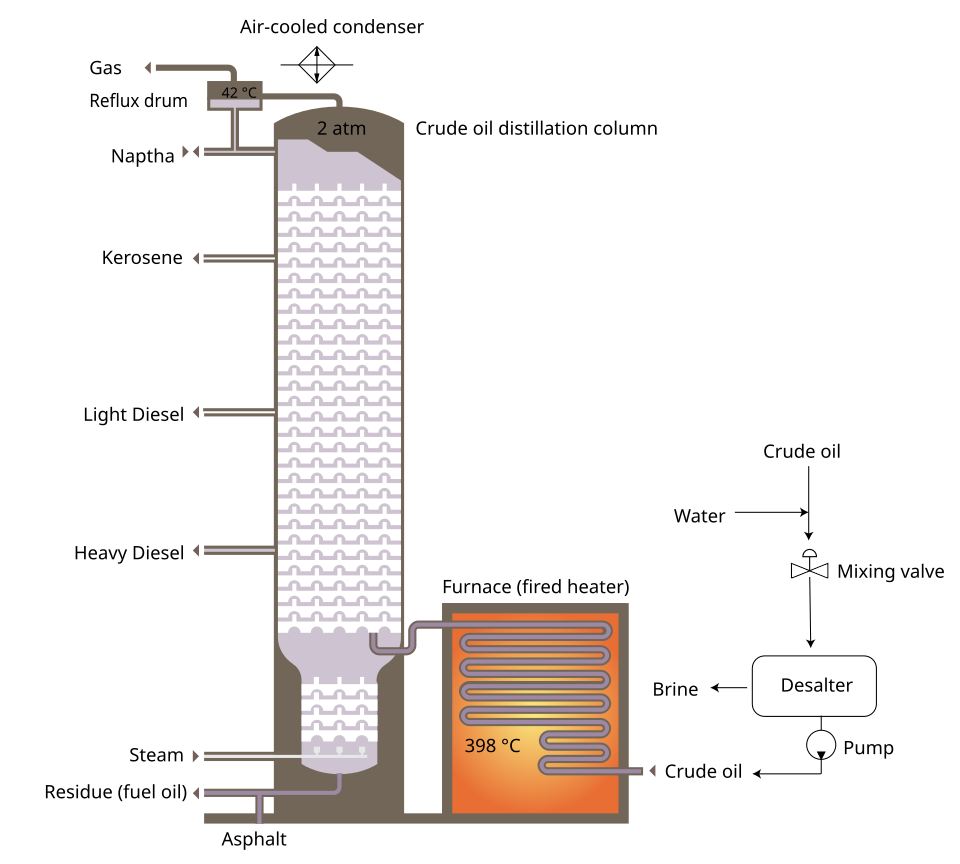
The foundational process is fractional distillation, where crude oil is heated and separated into fractions based on their boiling points. Lighter fractions with lower boiling points rise to the top of the fractionating column, while heavier fractions settle at the bottom.
Chemical Conversion Processes
Because the simple distillation of crude oil does not always produce the ideal ratio of products, refineries use several chemical processes to "crack" or reshape molecules:
- Fluid Catalytic Cracking: Breaking heavy molecules into lighter, more valuable products like gasoline.
- Hydrodesulfurization: Removing sulfur from fuels to reduce environmental pollution.
- Catalytic Reforming: Rearranging molecular structures to increase the octane rating of gasoline.
- Alkylation and Isomerization: Creating high-quality blending components for fuels.
- Coking: Converting the heaviest residuum into petroleum coke and lighter oils.
Major Petroleum Products
Refineries categorize their outputs based on the weight and boiling point of the distillates. While a typical barrel of US oil yields a specific mix of products, the exact output depends on the crude source and the refinery's configuration.
![A breakdown of the products made from a typical barrel of US oil[31]](/images/32/ef/32ef11073e9aa4729c4004983dd23b7d28dd427648ff08733ef54a3620744992.png)
| Category | Examples | Common Uses |
|---|---|---|
| Light Distillates | Gasoline, LPG, Naphtha | Vehicle fuel, heating, chemical feedstock |
| Middle Distillates | Diesel, Kerosene, Jet Fuel | Trucks, aviation, home heating |
| Heavy Distillates & Residuum | Fuel oils, Asphalt, Lubricants | Shipping, road construction, machinery |
| Petrochemical Feedstocks | Ethylene, Propylene | Plastics and synthetic materials |
Site Selection and Infrastructure
Constructing a refinery requires careful strategic planning. Engineers and developers must evaluate several critical factors to ensure operational efficiency and economic viability:
- Land Availability: Large tracts of land are required for processing units and storage.
- Transportation: Proximity to ports, pipelines, and rail networks for feedstock and product delivery.
- Utilities: Reliable access to massive quantities of water and electricity.
- Labor: Availability of a skilled workforce to operate complex chemical machinery.
Safety, Health, and Environmental Regulations
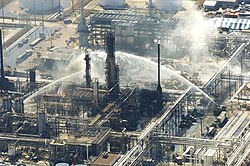
Due to the volatile nature of hydrocarbons and the use of hazardous chemicals, refineries are subject to strict safety protocols. Physical hazards include fire and explosions, while chemical exposures pose long-term health risks to workers.
Chemical Exposure and Health
Workers may be exposed to various substances depending on the process. For example, benzene, toluene, and xylene are common solvents with specific permissible exposure limits (PEL) set by agencies like OSHA. Other processes may involve hazardous materials such as hydrogen sulfide, hydrofluoric acid, or sulfuric acid.
Regulatory Compliance
In the United States, OSHA enforces several key standards to maintain refinery safety, including:
- Hazard Communication (HazCom): Ensuring workers are aware of chemical risks.
- Lockout/Tagout: Controlling hazardous energy during maintenance.
- Permit-Required Confined Spaces: Managing risks when entering tanks or vessels.
- PPE Standards: Requiring appropriate personal protective equipment.
Frequently Asked Questions
What is the difference between crude oil and refined oil?
Crude oil is the raw, naturally occurring liquid extracted from the ground, consisting of a complex mixture of hydrocarbons. Refined oil refers to the various products created after crude oil has been processed in a refinery to remove impurities and separate it into useful components like gasoline or diesel.
What is the purpose of "cracking" in a refinery?
Cracking is the process of breaking down long, heavy hydrocarbon molecules into shorter, lighter ones. This is done because the natural distillation of crude oil often produces more heavy oil than the market demands and not enough light products, such as gasoline.
Why is sulfur removal important in refining?
Sulfur is naturally present in crude oil. If left in the fuel, it burns to create sulfur dioxide, a major contributor to acid rain and air pollution. Hydrodesulfurization is used to remove sulfur to meet environmental regulations.
What are petrochemical feedstocks?
Petrochemical feedstocks, such as ethylene and propylene, are basic chemicals produced during the refining process. These serve as the raw materials for the plastics industry to create everything from packaging to medical devices.
How do refineries manage safety risks?
Refineries use a combination of engineering controls (like gas flares to burn off excess flammable gas), strict regulatory adherence (OSHA standards), and rigorous worker training to mitigate the risks of chemical exposure and industrial accidents.