Petroleum: The Science, History, and Global Impact of Crude Oil
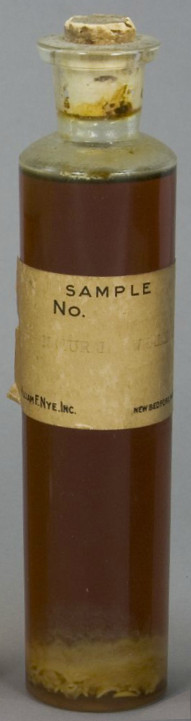
Petroleum, commonly known as crude oil, is a naturally occurring yellowish-black liquid chemical mixture found within geological formations. Composed primarily of hydrocarbons—organic compounds consisting entirely of hydrogen and carbon—petroleum serves as both a raw unprocessed resource and the foundation for a vast array of refined products that power the modern world.
As a fossil fuel, petroleum is the result of millions of years of geological pressure and heat. It forms from the anaerobic decay (decomposition in the absence of oxygen) of prehistoric organic materials, specifically plankton and algae, that were buried under layers of sediment.
Key Facts
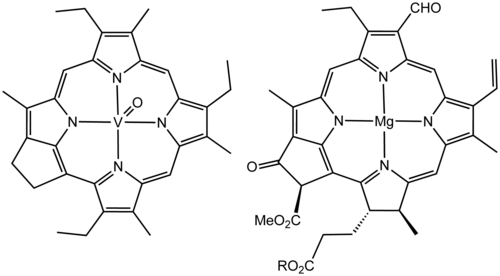
![Structure of a vanadium porphyrin compound (left) extracted from petroleum by Alfred E. Treibs, father of organic geochemistry. Treibs noted the close structural similarity of this molecule and chlorophyll a (right).[45][46]](/images/4b/6f/4b6fda37d0961db56a8039df5c1eecc6a8785adc181e22ea7a594d3a3a61a224.png)
- Composition: Primarily carbon (83-85%) and hydrogen (10-14%).
- Origin: 70% of deposits formed in the Mesozoic era, 20% in the Cenozoic, and 10% in the Paleozoic.
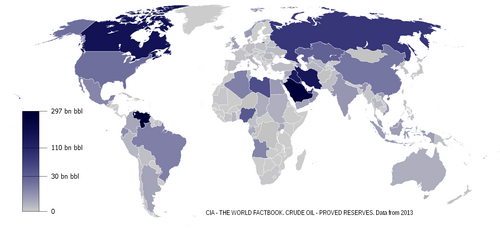
- Major Reserves: Venezuela and Middle Eastern nations hold the largest proven crude oil reserves.
- Primary Components: Naphthenes (avg. 49%), Alkanes (avg. 30%), and Aromatics (avg. 15%).
- Extraction: Recovered via conventional drilling or unconventional methods like fracking for oil sands and shale.
The History of Oil Extraction
![Some marker crudes with their sulfur content (horizontal) and API gravity (vertical) and relative production quantity[citation needed]](/images/f6/47/f647c252e1421049eb1789e0692b23f489991495bcc4e7cf9802802c3848eebf.png)
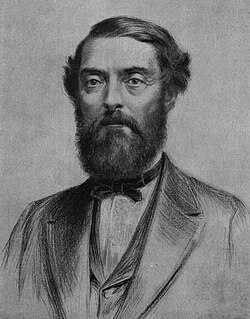
The transition of petroleum from a curiosity to a global commodity began in the 19th century. In 1854, Ignacy Łukasiewicz is credited with the first commercial oil extraction in Bóbrka, Poland, where he also established the world's first industrial oil refinery.

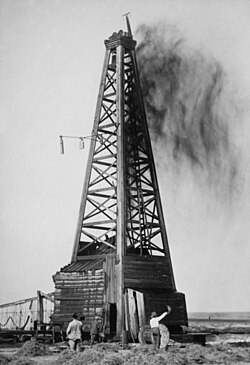
The industry expanded rapidly in North America when Edwin Drake drilled the first successful oil well in 1859 in Cherrytree Township, Pennsylvania. This milestone shifted the energy landscape, leading to the proliferation of oil derricks across the globe by the early 20th century.
Chemical Composition and Classification
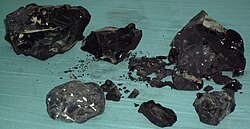
Petroleum is a complex mixture of elements and hydrocarbon structures. While carbon and hydrogen dominate, it also contains trace amounts of nitrogen, oxygen, sulfur, and various metals.
| Element/Hydrocarbon | Percent Range / Average |
|---|---|
| Carbon | 83% to 85% |
| Hydrogen | 10% to 14% |
| Sulfur | 0.05% to 6.0% |
| Alkanes (Paraffins) | 30% (Range: 15-60%) |
| Naphthenes | 49% (Range: 30-60%) |
| Aromatics | 15% (Range: 3-30%) |
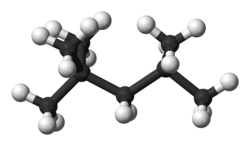
A key metric for fuel quality is the octane number; for example, 2,24-Trimethylpentane is a hydrocarbon with an octane number of 100.
Geological Formation and Reservoirs
The process of creating fossil petroleum begins with the accumulation of organic matter. Through anaerobic decay, this matter transforms into kerogen, a solid mixture of organic chemicals. When kerogen is subjected to specific temperature ranges—known as the oil window—it transforms into liquid petroleum.
For a petroleum reservoir to form, three specific conditions must be met:
- Source Rock: A rock rich in organic material buried deep enough for subterranean heat to "cook" it into oil.
- Reservoir Rock: A porous and permeable rock where the oil can accumulate.
- Caprock: An impermeable layer that prevents the oil from escaping to the surface.

Conventional vs. Unconventional Resources
Conventional reserves are typically recovered through standard drilling. However, unconventional resources, such as oil sands and oil shale, require more complex extraction methods like fracking. These unconventional resources are significantly larger in volume than conventional ones.
![Unconventional resources are much larger than conventional ones.[69]](/images/32/63/32633b773347dcab6dd919eb06c744d824efe2508bf53d2a35428acec2af569f.png)
Global Production and Consumption
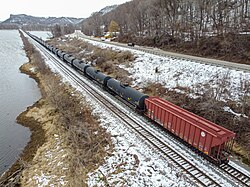
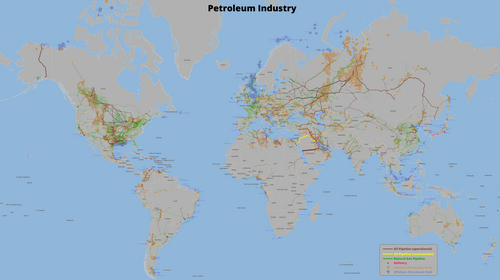
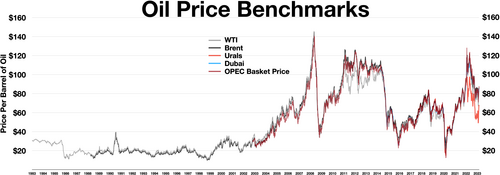
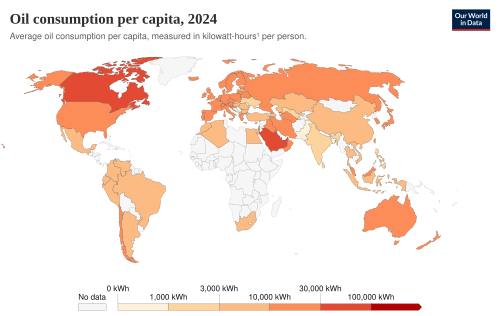
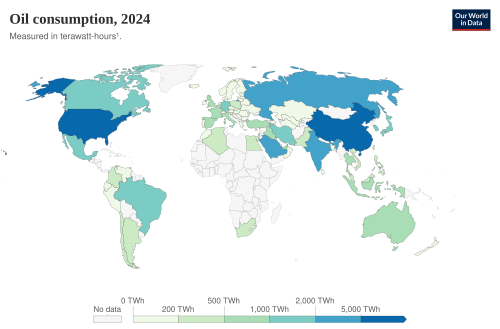
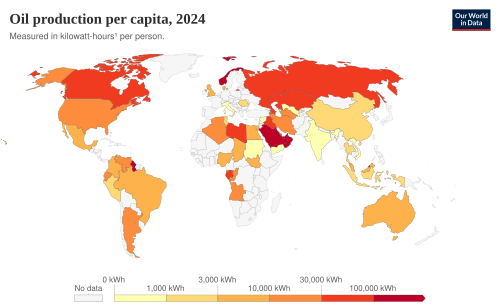
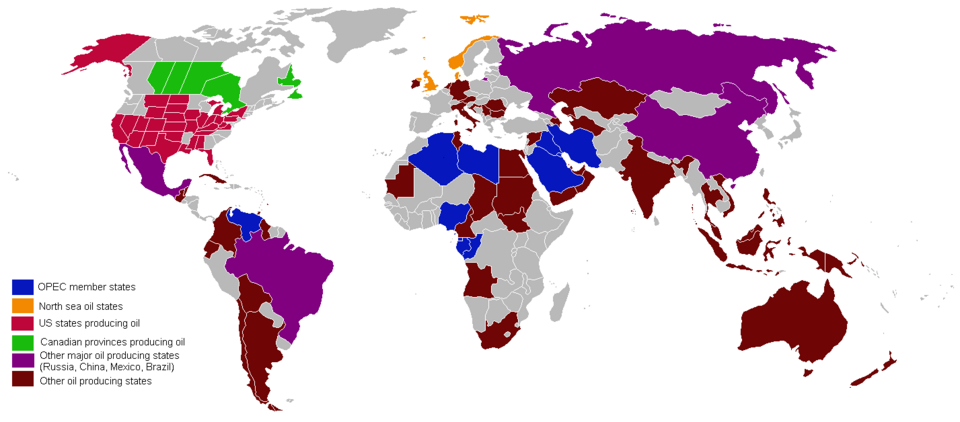
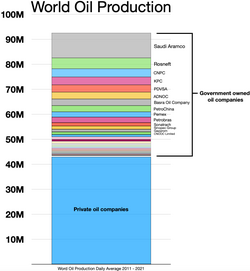
The production and trade of oil are central to international relations and economics. Organizations like OPEC (Organization of the Petroleum Exporting Countries) play a significant role in managing supply and pricing.
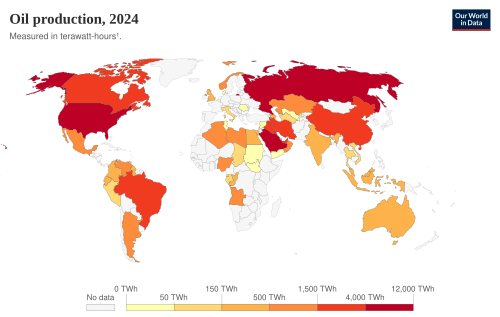
As of 2016, top producers included Russia, Saudi Arabia, and the United States. While some nations are net exporters, others, such as Japan, Germany, and South Korea, are major non-producing consumers that rely entirely on imports.
![Venezuela and Middle Eastern countries have the largest proven crude oil reserves.[80]](/images/e7/54/e75400e1166d59ec6a13563ed74821497d659afbce25f68b5b8a00ded3b4f389.webp)
Environmental Impact and Alternatives
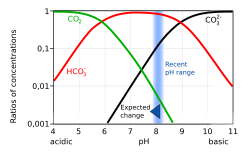
The extraction and use of petroleum have significant environmental consequences. The combustion of hydrocarbons contributes to climate change, and accidental oil spills can devastate marine ecosystems, affecting everything from kelp forests to whale populations.
Frequently Asked Questions
What is the difference between conventional and unconventional oil?
Conventional oil is found in porous reservoir rocks and can be extracted via traditional drilling. Unconventional oil, such as oil shale or oil sands, is trapped in denser rock or mixed with sand and requires advanced techniques like fracking or thermal recovery.
How is petroleum formed?
It forms over millions of years from the anaerobic decay of prehistoric plankton and algae. This organic matter turns into kerogen, which then transforms into oil when heated within the "oil window" deep underground.
What are the primary chemical components of crude oil?
Crude oil consists mainly of hydrocarbons, specifically alkanes (paraffins), naphthenes, and aromatics, with carbon and hydrogen making up the vast majority of its elemental composition.
Which countries have the largest oil reserves?
Venezuela and several Middle Eastern countries, particularly those within OPEC, possess the largest proven crude oil reserves in the world.