Central Powers of World War I: Alliance, Conflict, and Collapse
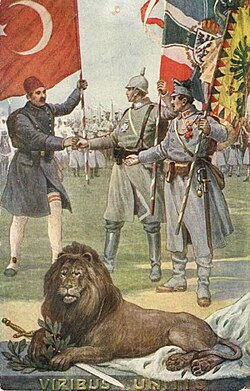
The Central Powers were a military alliance that fought against the Allied Powers during World War I from 1914 to 1918. Formed from a network of existing treaties and strategic interests, this coalition primarily consisted of the German Empire, Austria-Hungary, the Ottoman Empire, and Bulgaria. Together, they sought to maintain their imperial influence and expand their territories across Europe, Africa, and Asia.
The alliance evolved from earlier agreements, such as the Dual Alliance of 1879 and the Triple Alliance of 1882. As the conflict escalated, the Central Powers expanded their reach through secret treaties and the establishment of client states, creating a formidable but ultimately overextended front.
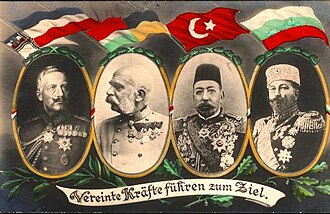
Key Facts
- Core Members: Germany, Austria-Hungary, Ottoman Empire, and Bulgaria.
- Duration: Established in 1914 and dissolved in 1918.
- Total Mobilization: Approximately 25.2 million personnel.
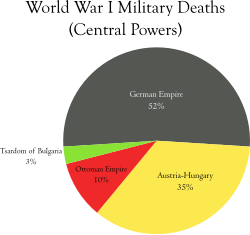
- Total Casualties: Over 18.8 million wounded, killed, or missing.
- End of Conflict: Dissolved through a series of separate armistices and treaties rather than a single unified agreement.
Formation and Expansion of the Alliance
The Core Partnership
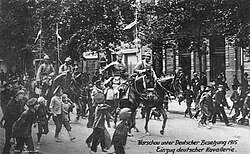
The alliance was anchored by the German Empire and the Austro-Hungarian Empire. Germany entered the war on August 1, 1914, shortly after Austria-Hungary on July 28, 1914. These two powers provided the industrial and military backbone of the coalition.
The Ottoman Entry
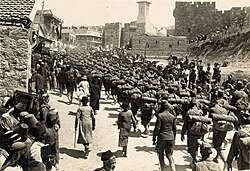
The Ottoman Empire initially remained neutral, though it was bound to Germany by a secret treaty. After maneuvering for nearly two months, the Ottomans formally entered the war on October 29, 1914, following an action by cruisers sold to them by Germany in August of that year.
Bulgarian Intervention
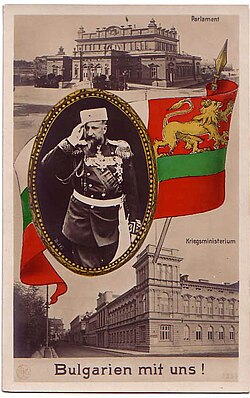
Bulgaria joined the Central Powers on October 14, 1915. After suffering defeat in 1913, Bulgaria sought to reclaim Vardar Macedonia from Serbia. The Central Powers granted Bulgaria the right to this territory in exchange for their military support, solidifying the alliance until the autumn of 1918.
Military Reach and Global Influence
The German Empire
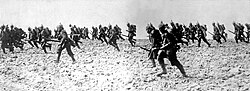
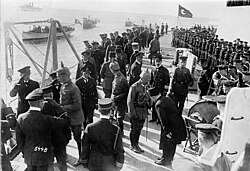
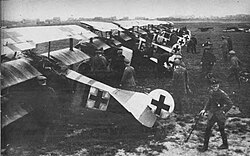
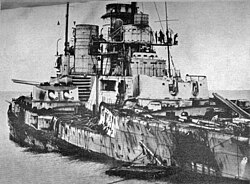
Germany operated on multiple fronts, from the Western Front in France to the Eastern Front in Russia. Their military capabilities included advanced aviation, such as the Fokker Dr.I fighter aircraft, and a powerful navy, though the latter suffered significant losses at the Battle of Jutland.
Austria-Hungary and the Ottoman Empire
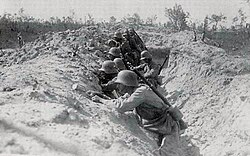
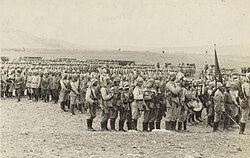
Austria-Hungary fought grueling campaigns on the Italian front and in the Middle East. Simultaneously, the Ottoman Empire focused on defending its territories and attempting assaults on strategic locations like the Suez Canal.
Co-belligerents and Client States
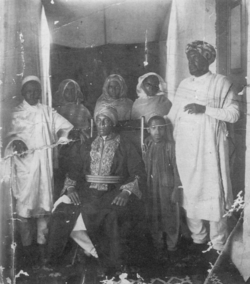
Beyond the main members, the Central Powers supported various non-state combatants and established client states to secure their borders. These included the Dervish State in Somalia, which received German and Ottoman supplies, and several puppet governments in Eastern Europe, including Poland, Lithuania, and Ukraine.

The Path to Collapse
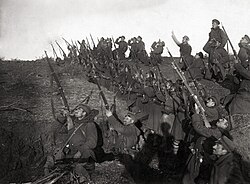
The disintegration of the Central Powers occurred in stages as their military positions became untenable. Bulgaria was the first to defect, signing an armistice on September 29, 1918. The Ottoman Empire followed on October 30, 1918, due to British and Arab gains in Syria and Palestine.
The final collapse came in November 1918. Austria-Hungary fractured into separate ceasefires as the Habsburg Empire disintegrated. Finally, on November 11, 1918, Germany signed the Armistice of Compiègne, ending the fighting on the Western Front.
Summary of Member States and Outcomes
| Nation | Entry Date | Armistice Date | Peace Treaty |
|---|---|---|---|
| Austro-Hungarian Empire | July 28, 1914 | Nov 4, 1918 | Saint-Germain / Trianon |
| German Empire | August 1, 1914 | Nov 11, 1918 | Versailles |
| Ottoman Empire | Oct 29, 1914 | Oct 30, 1918 | Sèvres / Lausanne |
| Tsardom of Bulgaria | Oct 14, 1915 | Sept 29, 1918 | Neuilly |
Frequently Asked Questions
Why did Bulgaria join the Central Powers?
Bulgaria joined the alliance primarily to reclaim Vardar Macedonia, a region held by Serbia following the Balkan Wars. The Central Powers promised Bulgaria this territory as a condition for their entry into the war.
How did the Ottoman Empire enter the war?
Although officially neutral at first, the Ottoman Empire was linked to Germany via a secret treaty. They formally entered the conflict on October 29, 1914, prompted by the actions of German-sold cruisers.
What was the total human cost for the Central Powers?
The coalition suffered immense losses, with total casualties (killed, wounded, and missing) reaching approximately 18.8 million. Austria-Hungary suffered the highest percentage of casualties relative to its mobilized force at 94%.
Was there a single treaty that ended the war for all Central Powers?
No. There was no unified treaty. Each member of the Central Powers was dealt with through separate armistices and subsequent peace treaties, such as the Treaty of Versailles for Germany and the Treaty of Neuilly for Bulgaria.