Catalan Nationalism: History, Identity, and the Struggle for Independence
Catalan nationalism is the political and cultural movement based on the belief that the people of Catalonia constitute a distinct nation with a unique national identity. While often used interchangeably with Catalanism (catalanisme), the two terms differ in scope. Catalanism is generally broader and more aligned with regionalism; many who identify as Catalanists seek greater autonomy or cultural recognition without necessarily advocating for full national independence.
The movement is deeply rooted in the region's history, evolving from a desire to protect the Catalan language and restore self-governance into a modern political struggle for statehood.
Key Facts
- Core Objective: Recognition of the Catalan people as a distinct nation and, for nationalists, the establishment of an independent state.
- Intellectual Roots: Modern political philosophy began during the First Spanish Republic (1873-1874).
- Key Document: The Bases de Manresa (1892) summarized early demands for self-government and language recognition.
- 2017 Referendum: A controversial vote for independence resulted in a 92% "Yes" vote, though it was declared illegal by the Spanish government.
- Political Leadership: Key figures include Francesc Macià, Lluís Companys, and Carles Puigdemont.
The Origins of Catalan National Identity
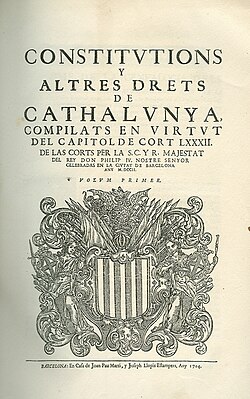
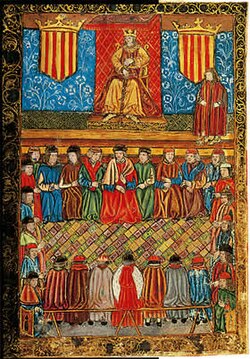
The foundations of Catalan identity are tied to the region's linguistic and administrative history. The movement gained intellectual momentum in the 19th century as thinkers sought to restore self-government and secure official recognition for the Catalan language.
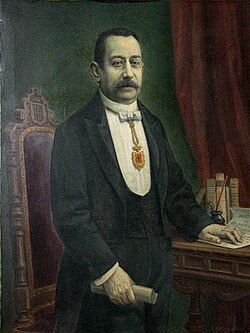
Early efforts to establish a federal state within Spain during the First Republic (1873-1874) were unsuccessful, but they laid the groundwork for a formal political ideology. Intellectuals such as Valentí Almirall i Llozer were pivotal in this era, leading to the drafting of the Bases de Manresa in 1892, which codified the movement's primary goals.
The Impact of Industrialization and Global Politics
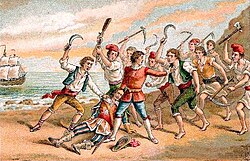
Initially, Catalanism had limited popular support. However, the Spanish-American War served as a catalyst for growth. Following Spain's loss of its last colonies in the Pacific and Caribbean, Spain's international standing weakened. Crucially, Catalonia lost its two primary export markets—Cuba and Puerto Rico—which pushed the industrialist class toward supporting Catalanist ideals to better manage their own economic destiny.
Catalanism in the 20th Century
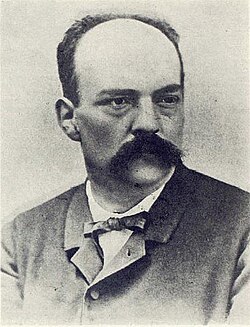
The 20th century saw the rise of institutionalized Catalan nationalism. The Generalitat de Catalonia, the regional government, became a symbol of this autonomy. Francesc Macià, a left-wing independentist leader, served as its first president from 1931 to 1933.
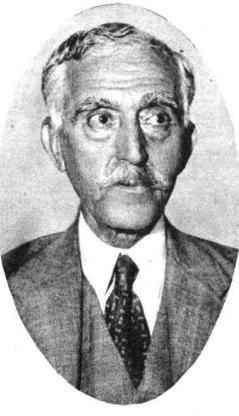
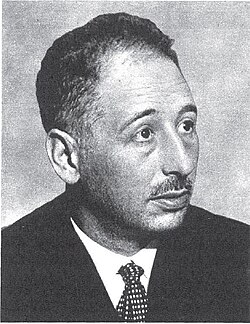
He was succeeded by Lluís Companys (1933-1940), a nationalist leader who was eventually executed by the dictatorship of Francisco Franco in 1940. This period cemented the link between Catalan identity and the struggle against centralist authoritarianism.
The Path to the 2017 Referendum
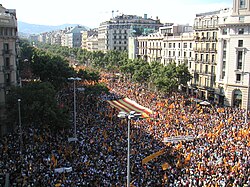
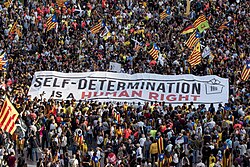
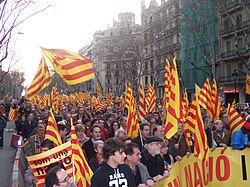
In the 21st century, the movement shifted from regional autonomy toward overt independence. Following the 2008 economic crisis, the government under Artur Mas moved away from regionalism toward independence. This transition was marked by massive public demonstrations, including the 2012 protests in Barcelona and the 2013 "Catalan Way," a 480-kilometer human chain involving 1.6 million people.
The 1-O Referendum and its Aftermath
On October 1, 2017, the Generalitat held an independence referendum, known as 1-O. The Spanish government and the Constitutional Court declared the vote illegal, citing a breach of the Spanish Constitution. Despite police intervention to close polling stations, the vote proceeded.
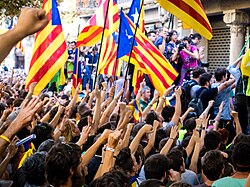
The results reported by Catalan authorities showed a 92.01% vote in favor of independence, with a turnout of 43.03%. On October 10, 2017, President Carles Puigdemont declared independence but immediately suspended its effects to open a dialogue with the Spanish government.
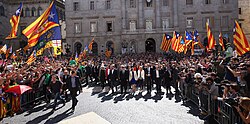
The referendum was criticized by international observers for failing to meet minimum electoral standards due to irregularities and the use of force by the National Police and Civil Guard. The Spanish government subsequently declared the law void, noting that the Statute of Autonomy requires a two-thirds majority (90 seats) in the Catalan parliament for any change in status.
Summary of Key Political Milestones
| Period/Year | Event/Milestone | Significance |
|---|---|---|
| 1873-1874 | First Spanish Republic | Early attempts to establish a federal state. |
| 1892 | Bases de Manresa | Formalized demands for self-government and language rights. |
| 1931-1933 | Presidency of Francesc Macià | First president of the restored Generalitat. |
| 2013 | The Catalan Way | Massive human chain supporting independence. |
| 2017 | 1-O Referendum | Illegal vote for independence resulting in political crisis. |
Frequently Asked Questions
What is the difference between Catalanism and Catalan nationalism?
Catalanism is a broader term often associated with regionalism and the preservation of culture and language. Catalan nationalism is more specific, promoting the idea that Catalans are a distinct nation and often advocating for full political independence from Spain.
Why was the 2017 referendum declared illegal?
The Spanish government and the Constitutional Court ruled that the referendum breached the Spanish Constitution. Additionally, it was argued that the vote violated the Statute of Autonomy, which requires a two-thirds majority in the Catalan parliament to change the region's legal status.
What were the Bases de Manresa?
The Bases de Manresa were a set of political demands drafted in 1892 that summarized the goals of early Catalanists, specifically the restoration of self-government and the official recognition of the Catalan language.
Who was Lluís Companys?
Lluís Companys was a left-wing Catalan nationalist leader and the second president of the Generalitat (1933-1940). He is a significant figure in the movement's history, having been executed by the Franco dictatorship.
How did the Spanish-American War affect Catalanism?
The war weakened Spain's international position and resulted in the loss of Cuba and Puerto Rico. Because these were primary destinations for Catalan exports, the economic blow encouraged the Catalan industrial class to support nationalist movements to protect their interests.