Catalan and Valencian: A Comprehensive Linguistic Overview
The Catalan language (including its Valencian variety) is a vibrant Romance language spoken across several territories in Southwestern Europe. With approximately 9.2 million speakers—comprising 4.1 million native speakers and 5.1 million second-language speakers—it serves as a vital cultural bridge between the Iberian Peninsula and the rest of Europe.
As a member of the Indo-European family, Catalan evolved from Vulgar Latin, passing through stages of Proto-Romance and Old Catalan. Its unique position in the Romance family makes it a fascinating study of linguistic evolution, blending characteristics that link it closely to both Occitan and Spanish.
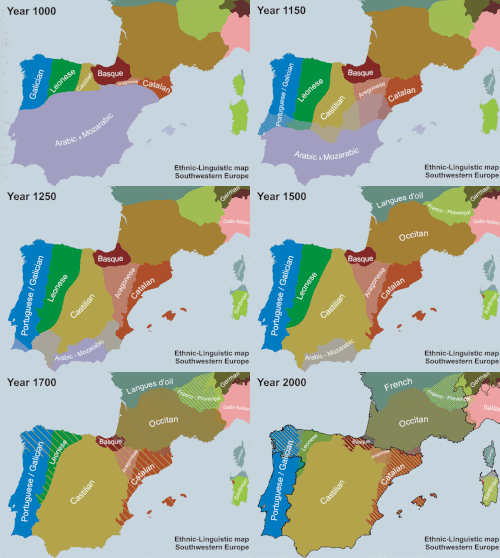
Key Facts
![Vowels of Standard Eastern Catalan[91]](/images/77/bf/77bf1c093c12f4e24f24d709f3fe7afa8ce6e2b3ccbda24b9c0a5e2f93018da2.webp)
- Total Speakers: Approximately 9.2 million people.
- Official Status: Official language in Andorra and various regions of Spain (Catalonia, Balearic Islands, and the Valencian Community).
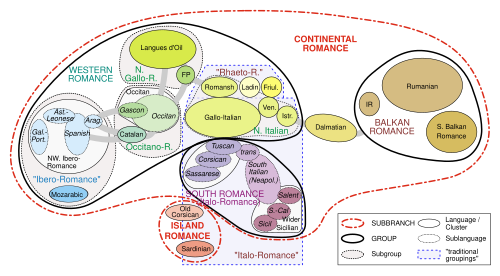
- Language Family: Indo-European > Italic > Romance > Gallo-Romance > Occitano-Romance.
- Governing Bodies: The Institut d'Estudis Catalans (IEC) and the Acadèmia Valenciana de la Llengua (AVL).
- Geographic Reach: Spoken in Spain, Andorra, France, and Italy (Alghero).
Classification and Romance Relationships
Linguistically, Catalan is classified as an Occitano-Romance language. This means it shares a closer structural relationship with Occitan than with the Ibero-Romance languages like Spanish or Portuguese. This relationship is evident in basic vocabulary; for example, the Catalan word for "summer" (estiu) is nearly identical to the Occitan istadi and French été, whereas Spanish uses verano.
Comparative Vocabulary
The following table illustrates how Catalan sits between its Romance cousins:
| English | Catalan | Occitan | French | Spanish | Italian |
|---|---|---|---|---|---|
| Brother | germà | fraire | frère | hermano | fratello |
| Morning | matí | matin | matin | mañana | mattina |
| Bird | ocell / au | aucèl | oiseau | ave / pájaro | uccello |
| To speak | parlar | parlar | parler | hablar / parlar | parlare |
Geographic Distribution and Official Status
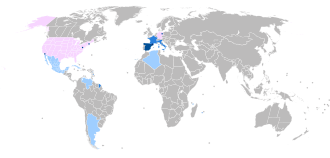
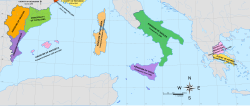
Catalan is spoken across a diverse set of territories known as the Catalan Countries. While it is the sole official language of Andorra, it holds co-official status in several Spanish autonomous communities.
Territorial Breakdown
- Andorra: Official language.
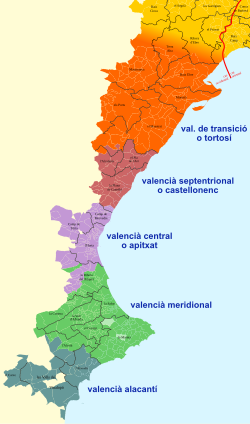
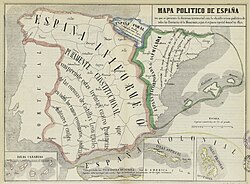
- Spain: Official in Catalonia, the Balearic Islands, and the Valencian Community (where it is referred to as Valencian). It is also a recognized minority language in La Franja (Aragon) and Carche (Murcia).
- France: Spoken in Northern Catalonia (Pyrénées-Orientales).
- Italy: Spoken in the city of Alghero on the island of Sardinia.
Linguistic Features
Phonology and Dialects
Catalan is divided into two primary dialect blocks: Eastern Catalan (including Central, Balearic, Northern, and Alguerese) and Western Catalan (including North-Western and Valencian). These blocks differ primarily in their vowel systems and certain consonant pronunciations.
![Main dialects of Catalan[116][117][118]](/images/bf/e4/bfe47f426d557d4dc13becc73cda18557aef0dd06327b5a47846164b57914dc7.png)
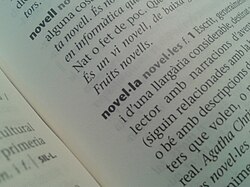
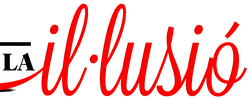
A distinctive feature of the language is the use of the geminated L (ŀl), a character used to represent a lengthened 'l' sound between vowels, as seen in the word noveŀla (novel).
Grammar and Morphology
The grammar of Catalan follows standard Romance patterns of gender and number inflection. Nouns and adjectives typically change based on whether they are masculine or feminine, singular or plural.
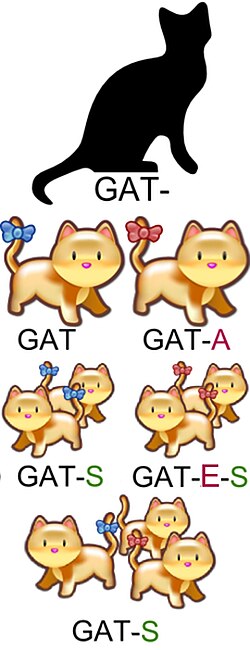
For example, the word for "cat" (gat) inflects as follows:
- Masculine Singular: el gat
- Feminine Singular: la gata
- Masculine Plural: els gats
- Feminine Plural: les gates
Standardization and Governance
The language is managed by two primary institutions that ensure its normalization and academic rigor. The Institut d'Estudis Catalans (IEC) oversees the standard Catalan used in Catalonia and other regions, while the Acadèmia Valenciana de la Llengua (AVL) manages the Valencian standard.
Frequently Asked Questions
Is Valencian a separate language from Catalan?
Linguistically, Valencian is a variety of Catalan. While it has its own regulatory body (AVL) and specific dialectal traits, it shares the same structural and historical roots as the Catalan spoken in Catalonia.
Where is Catalan an official language?
It is the official language of Andorra and is co-official in the Spanish regions of Catalonia, the Balearic Islands, and the Valencian Community.
How does Catalan differ from Spanish?
While both are Romance languages, Catalan is more closely related to Occitan and French (Gallo-Romance) than to Spanish (Ibero-Romance). This is evident in its phonology, vocabulary, and certain grammatical structures.
What is the geminated L (ŀl)?
The geminated L is a distinctive character used in Catalan orthography to indicate a lengthened 'l' sound, typically occurring between vowels.