Catalonia
Located on the northeastern coast of the Iberian Peninsula, Catalonia is a vibrant autonomous community within Spain, known for its distinct linguistic identity, rich industrial heritage, and breathtaking landscapes. From the cosmopolitan energy of Barcelona to the rugged peaks of the Pyrenees, Catalonia blends a deep historical consciousness with a forward-looking economic drive.
The region is governed by the Generalitat of Catalonia, a devolved government operating within a constitutional monarchy. With a population of over 8 million people and a high Human Development Index (HDI) of 0.918, it stands as one of the most developed and economically influential regions in Southern Europe.
Key Facts
- Capital: Barcelona (the largest city in the region).
- Official Languages: Catalan, Spanish, and Occitan (Aranese).
- GDP: €302.304 billion (2024).
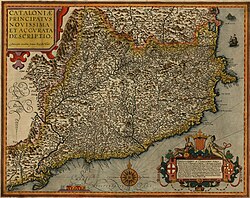
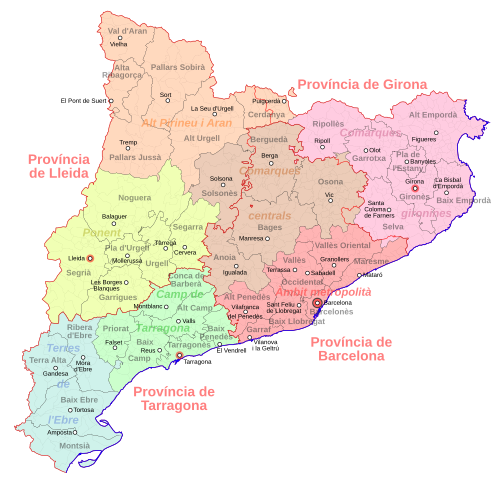
- Administrative Divisions: Four provinces: Barcelona, Girona, Lleida, and Tarragona.
- National Day: 11 September.
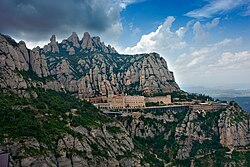
- Patron Saints: Saint George and the Virgin of Montserrat.
History and Political Evolution
Ancient and Medieval Foundations
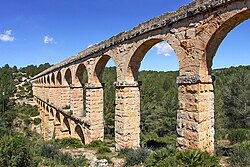
Catalonia's history is marked by early Roman influence, evidenced by significant infrastructure like the Aqüeducte de les Ferreres in Tarragona.
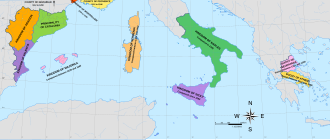
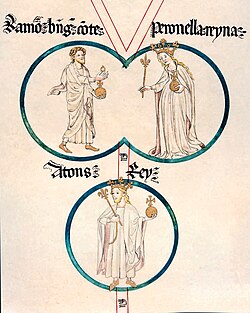
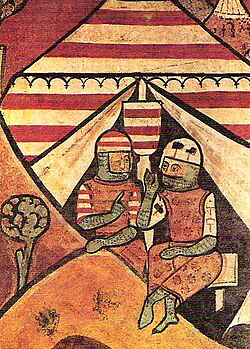
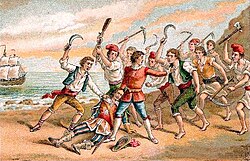
During the Middle Ages, the region saw the rise of the Crown of Aragon, formed through a dynastic union between the Count of Barcelona and the Kingdom of Aragon. This era expanded Catalan influence across the Mediterranean, including the conquest of Mallorca in 1229.
Modern Era and the Struggle for Autonomy
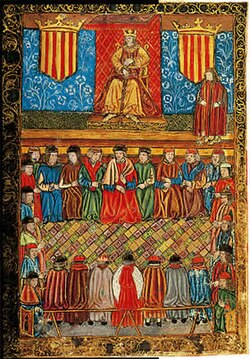
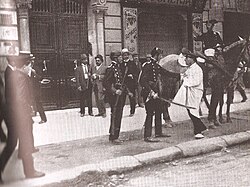
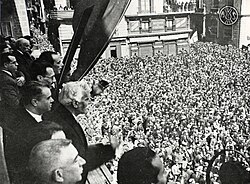
The transition to the modern era involved complex political shifts, including the establishment of the Catalan Courts and various periods of tension with the central Spanish state. The 20th century was particularly tumultuous, encompassing the Spanish Civil War (1936–1939) and the subsequent dictatorship of Francisco Franco, during which Catalan institutions were suppressed.
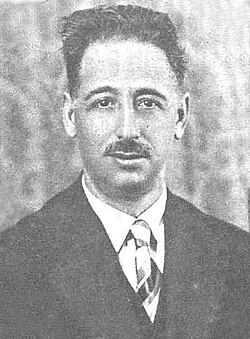
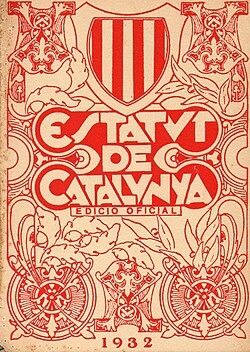
Following the transition to democracy in 1975, Catalonia regained its autonomy through a series of Statutes of Autonomy (1932, 1979, and 2006), which defined its self-governance and official language status.
The Independence Movement
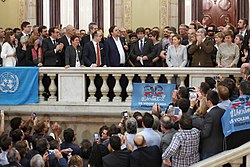
In recent decades, a significant movement for independence has emerged, culminating in a unilateral declaration of independence on 27 October 2017. This period has been characterized by intense political debate and legal challenges regarding the region's relationship with Spain.
Geography and Natural Environment
Topography and Climate
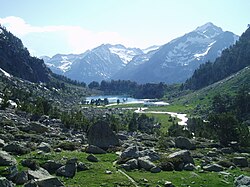
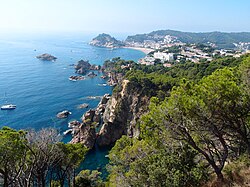
Catalonia's landscape is highly diverse, ranging from the high alpine environments of the Pyrenees to the Mediterranean coastline. The region is divided into several geomorphologic zones, including the Central Depression and the Coastal Range.
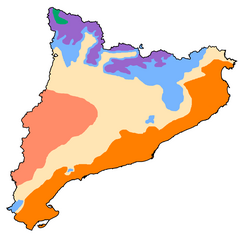
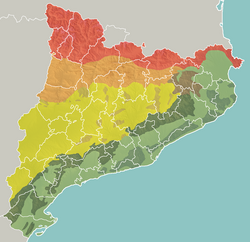
The climate is predominantly Mediterranean, though it is influenced by alpine conditions in the north. Temperatures can vary wildly, with record highs reaching 45.4°C and record lows dropping to -32.0°C.
Flora, Fauna, and Water
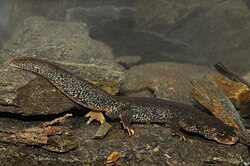
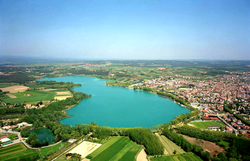
The region is home to unique biodiversity, such as the Montseny brook newt, which is endemic to the Montseny Massif. Key water bodies include the Lake of Banyoles and the various river systems that feed into the Mediterranean.
Economy and Infrastructure
Economic Sectors
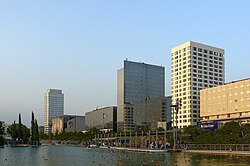
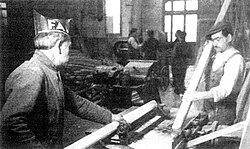
Catalonia possesses a powerful economy with a strong industrial base. The secondary sector (industry) accounts for 37% of the economy, significantly higher than the Spanish average of 29%. The tertiary sector (services), including tourism and commerce, dominates at 60%.
Industry and Logistics
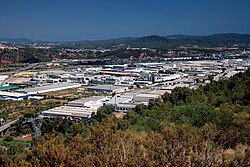
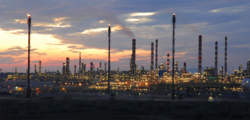
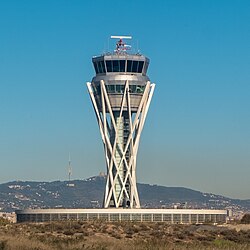
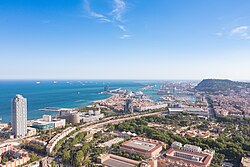
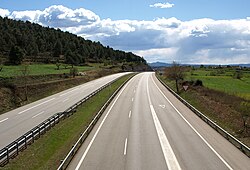
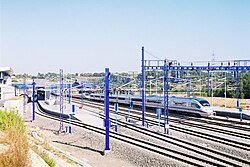
The region is a hub for logistics and manufacturing, featuring massive industrial parks and the strategic Port of Barcelona. Its transport network is highly developed, utilizing high-speed trains (AVE) and a comprehensive network of airports and highways.
Culture and Society
Language and Demographics
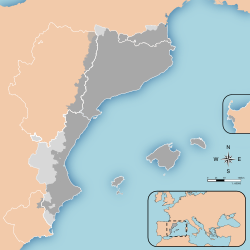
Language is a cornerstone of Catalan identity. While Spanish is widely spoken, Catalan is the primary identification language for a large portion of the population. The region is also multicultural, with significant immigrant populations from Romania, Morocco, and China.
![Fragment of the Greuges de Guirard Isarn (c. 1080–1095), one of the earliest texts written almost completely in Catalan,[215][216] predating the famous Homilies d'Organyà by a century](/images/51/af/51af505684515262cdbeee08d5421bb000b9af37a4d13b2078b2420ea84ea205.jpg)
Art, Architecture, and Heritage
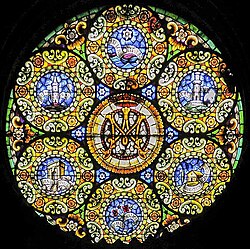
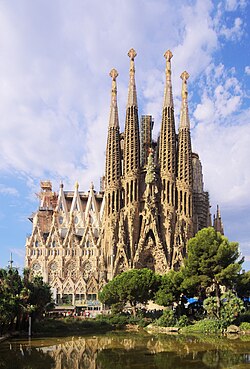
Catalonia is world-renowned for its architecture, particularly the works of Antoni Gaudí and Lluís Domènech i Montaner. The Sagrada Família and the Palau de la Música Catalana are among the many UNESCO World Heritage Sites located here.
Traditions and Lifestyle
Catalan culture is expressed through unique traditions such as the Sardana (a traditional dance), the building of human towers (Castells), and the celebration of Saint George's Day with books and roses.
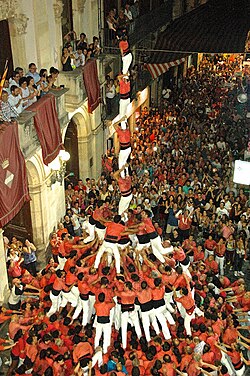

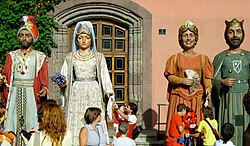
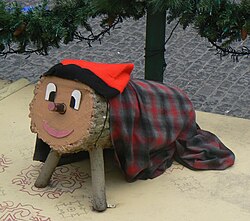
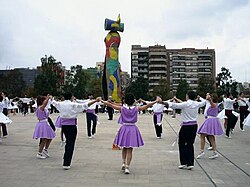
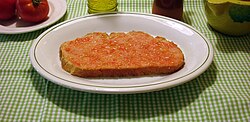
In gastronomy, the region is famous for dishes like Pa amb tomàquet (bread with tomato), reflecting the Mediterranean influence on its diet.
Regional Overview Summary
| Category | Detail |
|---|---|
| Total Area | 32,113.86 km² |
| Population (2025) | 8,124,126 |
| GDP per capita (2024) | €37,477 |
| Main Provinces | Barcelona, Girona, Lleida, Tarragona |
| Official Languages | Catalan, Spanish, Occitan |
| HDI Rank | 5th (0.918) |
Frequently Asked Questions

What are the official languages of Catalonia?
The official languages are Catalan, Spanish, and Occitan (specifically the Aranese variety spoken in the Val d'Aran).
Who is the current President of the Generalitat of Catalonia?
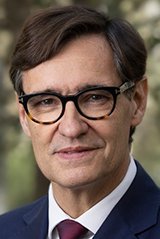
As of 2024, the President of the Generalitat is Salvador Illa.
Which cities are the largest in Catalonia?
Barcelona is by far the largest city, followed by L'Hospitalet de Llobregat, Terrassa, and Badalona.
What is the significance of the Statute of Autonomy?
The Statute of Autonomy is the legal framework that grants Catalonia its devolved powers, allowing it to manage its own government, education, and healthcare within the Spanish state.
What are some of the most famous UNESCO sites in the region?
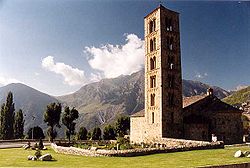
Notable sites include the Sagrada Família, Parc Güell, the Archaeological Ensemble of Tarraco, and the Catalan Romanesque Churches of the Vall de Boí.