FC Barcelona: The History and Culture of Its Global Fanbase
Founded in 1899 by Joan Gamper and a diverse group of Swiss, Catalan, German, and English footballers, FC Barcelona has evolved from a local sports club into a global phenomenon. As a cornerstone of Spanish football, the club has been a member of La Liga since its inception in 1928, securing 29 league titles, a record 32 Copa del Rey trophies, and five UEFA Champions League victories.
Beyond the trophies, the club is defined by its unique relationship with its supporters. This bond is deeply intertwined with the political identity of Catalonia, making the club a symbol of regional pride and resistance.
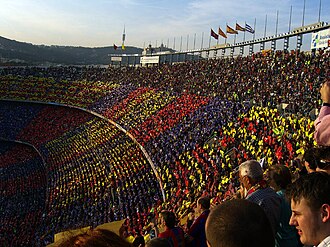
Key Facts
- Founded: 1899 by Joan Gamper.
- Major Honors: 29 La Liga titles, 32 Copa del Rey titles, and 5 UEFA Champions League titles.
- Membership: 150,317 registered socis as of May 31, 2023.
- Global Reach: Over 1,264 officially registered penyes (fan clubs) worldwide as of 2022.
- Identity: Known by the motto Més que un club (More than a club).
The Three Tiers of Support
Barcelona's fanbase is structured into three distinct categories, each with different levels of formal affiliation and influence.
Socis (Club Members)
Socis are formal members of the club. Unlike many professional teams owned by billionaires or corporations, Barcelona is owned by its members. Socis are eligible to vote in presidential elections and other critical club matters. While early statutes in 1902 and 1911 restricted full membership to men, the club became the first in Spain to admit women, starting with Edelmira Calvetó, who was granted membership number 86 on January 1, 1913.
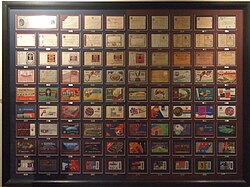
Penyes (Supporters' Clubs)
Penyes are affiliated fan clubs that blend community support with financial contributions. Established in the mid-1940s during the dictatorship of Francisco Franco, these groups provided vital public and financial backing. Their influence peaked in 1953 when they proposed and helped finance the construction of the Camp Nou stadium, granting them lasting political leverage within the club.
Culers (Ordinary Fans)
The term culers refers to the general fanbase who do not hold formal memberships. The nickname is derived from the Catalan word cul (meaning "arse"). This originated at the club's early stadiums, such as the Camp de la Indústria and Les Corts, where spectators in the top rows sat with their backsides hanging over the edge of the stands.
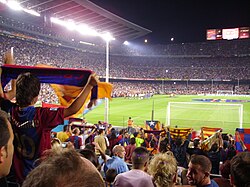
Global Expansion and Political Identity
The arrival of Ronaldinho in 2003 served as a catalyst for a massive surge in international popularity. Combined with the media strategies of then-president Joan Laporta, the club's membership grew from 100,000 in the 2003–04 season to 170,000 by September 2009.
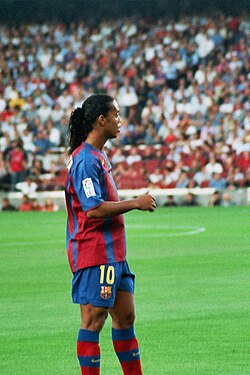
However, this global growth created internal friction. The club has long been a symbol of Catalan nationalism, particularly during the oppression of the Franco era. The motto Més que un club reflects this role as a defender of democratic rights and Catalan identity. This has occasionally led to tension between nationalist supporters seeking secession from Spain and the club's broader Spanish and international fanbase.
Controversies and the Boixos Nois
Not all support has been peaceful. In the early 1980s, the Boixos Nois (Crazy Boys) emerged. Originally a left-wing independentist group, they eventually shifted toward fascism under the influence of right-wing skinheads and British hooligan culture. This group became notorious for violence and their hostility toward club leadership.
One of the most infamous moments involving the Boixos Nois occurred in November 2002, during the return of Luís Figo to Camp Nou after his controversial transfer to Real Madrid. The match, known as the "Partido de la Vergüenza" (The Game of Shame), saw the Boixos Nois throw a severed pig's head at Figo, leading to a 13-minute suspension of the game for safety reasons.
Summary of Club Support Structure
| Type | Definition | Key Characteristic | Primary Influence |
|---|---|---|---|
| Soci | Official Club Member | Voting rights in elections | Governance and Presidency |
| Penya | Affiliated Fan Club | Financial and local promotion | Infrastructure (e.g., Camp Nou) |
| Culer | General Fan | No formal membership | Global brand and atmosphere |
Frequently Asked Questions
Where does the name "Culer" come from?
The name comes from the Catalan word for "arse" (cul). It refers to the way fans sat in the top rows of the club's early stadiums, where their backsides were visible to those outside the stands.
What does "Més que un club" mean?
It translates to "More than a club." This motto signifies FC Barcelona's role as a symbol of Catalan culture and identity, as well as its historical association with the defense of democratic freedoms.
Who are the socis?
Socis are the official members of FC Barcelona. They effectively own the club and have the right to vote for the club's president.
How did the penyes help the club?
Penyes provided critical financial and public support during the Franco dictatorship and were instrumental in financing the construction of the Camp Nou stadium in the 1950s.
Who was the first female member of the club?
Edelmira Calvetó became the first female soci on January 1, 1913, after persisting through multiple rejections due to the club's male-only membership statutes at the time.