FC Barcelona: The History and Legacy of the Blaugrana
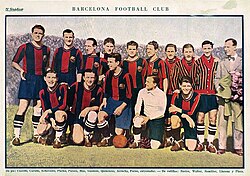
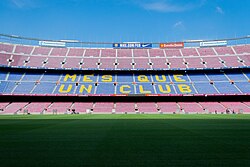
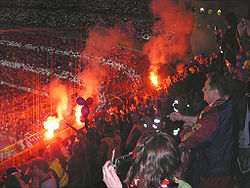
Founded on November 29, 1899, Futbol Club Barcelona—affectionately known as Barça—has evolved from a modest sporting project into one of the most iconic institutions in global sports. Known as the Blaugrana (blue and garnet) for its distinctive colors, the club is defined by its motto, "Més que un club" (More than a club), reflecting its deep ties to Catalan identity and culture.
From its humble beginnings in the late 19th century to its dominance in the modern era, Barcelona has consistently pushed the boundaries of football through tactical innovation and a world-renowned youth system.
Key Facts
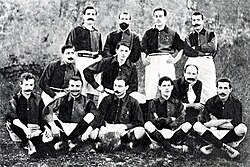
- Founded: November 29, 1899, by Joan Gamper.
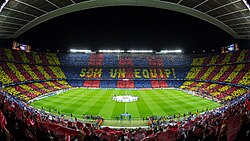
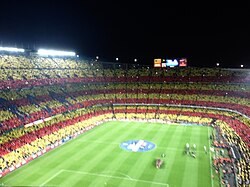
- Home Stadium: Camp Nou, with an expected capacity of 105,000.
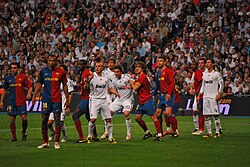
- Primary Rivalries: Real Madrid (El Clásico) and RCD Espanyol (El derbi Barceloní).
- Youth Academy: La Masia, the famed residence and training center for young talent.
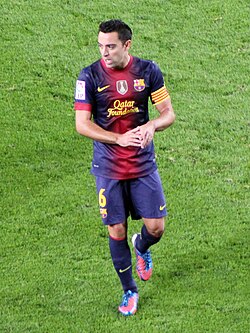
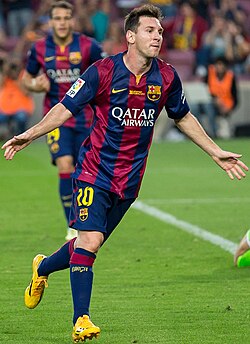
- All-Time Greats: Lionel Messi (top scorer and appearance maker) and Xavi Hernández.
- Most Successful Coach: Pep Guardiola, who secured 14 trophies.
The Evolution of a Giant: From 1899 to the Present
The Early Years and Foundation
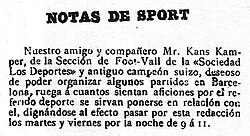
The club was established by Swiss founder Joan Gamper, who placed an advertisement in the publication Los Deportes to find players interested in the sport. In the early years, Walter Wild served as the first president (1899–1901), playing a pivotal role in securing the club's first home ground.
![Walter Wild, the club's first president (1899–1901). His main achievement was providing Barça with its first home ground.[24]](/images/a8/35/a83547f80b9aa9ba18d8d831dc5b311a2011f53d839ce00ab715530f97f4c2bb.jpg)
Growth and Political Turbulence
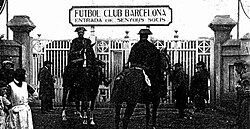
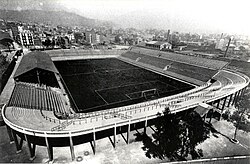
Throughout the early 20th century, the club navigated significant political shifts, including the Primo de Rivera dictatorship and the Spanish Civil War. A dark chapter in the club's history occurred during the Republic era with the assassination of President Sunyol. Despite these challenges, the club continued to grow, moving through various stadiums including the Camp de la Indústria and Camp de Les Corts before finally inaugurating the Camp Nou in 1957.
The Golden Eras and Tactical Revolution
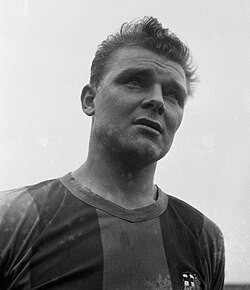
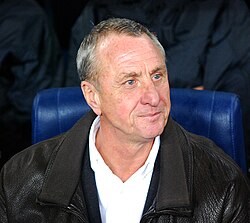
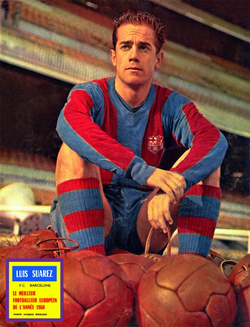
The 1950s saw the arrival of László Kubala, a prolific forward who led the team to significant success and whose legacy is still honored with a statue outside the stadium. Later, the arrival of Johan Cruyff—first as a player and then as the coach of the "Dream Team"—revolutionized the club's style of play, winning four consecutive league titles.
The Modern Dynasty: Guardiola and Messi
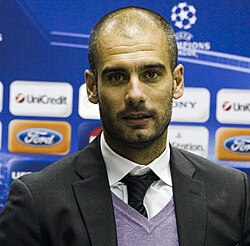
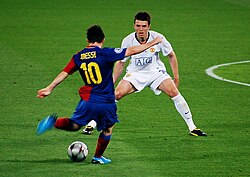
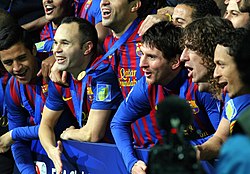
The era under Pep Guardiola (2008–2012) is widely regarded as one of the greatest periods in football history. This era was defined by a philosophy of possession and precision, highlighted by a legendary 6–2 victory over Real Madrid at the Santiago Bernabéu. Central to this success was Lionel Messi, who became the club's all-time top scorer and appearance maker.
The Pillars of Success: La Masia and the Squad
La Masia: The Talent Factory
In 1979, Barcelona converted a 1702 farmhouse called La Masia into a residence for academy players. This facility became the heartbeat of the club, producing world-class talents who embody the Barça way of playing.
![In 1979, Barcelona made La Masia, a farmer's house built in 1702, adjacent to the Camp Nou, the residence for young academy players. It would later play a significant role in the club's future success.[69][70]](/images/28/29/28294fb6f8d65b84afec53cc62913e24c928aec64719be87e2bcd0e23e06e5f0.webp)
Legendary Partnerships
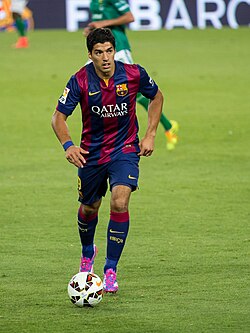
The club has hosted some of the game's most lethal attackers. In 2014, the arrival of Luis Suárez completed the "MSN" trio alongside Messi and Neymar, creating a record-breaking strike force. More recently, the 2022 signing of Robert Lewandowski brought veteran clinical finishing back to the frontline.
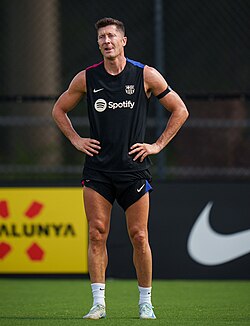
Club Infrastructure and Identity
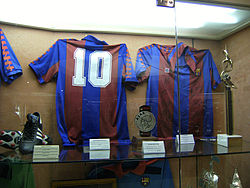
Stadiums and Facilities
While the Camp Nou is the primary stage, the club operates several other key facilities:
- Ciutat Esportiva Joan Gamper: The main training ground.
- Estadi Johan Cruyff: Home to the reserve team, women's team, and Juvenil A.
- Palau Blaugrana: The indoor sports arena for basketball and other sections.
Kit and Sponsorship
Nike has served as the official kit supplier since 1998. The club has also partnered with various global sponsors, including UNICEF, Qatar Airways, Rakuten, and most recently, Spotify.
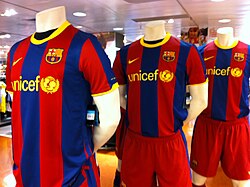
Club Overview Summary
![Ronaldinho's arrival in 2003 revitalized the club.[87][88]](/images/80/d6/80d6d66ce5985f161861943b29c7c60ebd5530130dd79092de21549d506029d0.jpg)
| Category | Details |
|---|---|
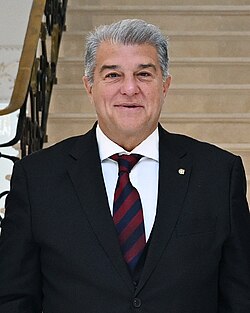
| Current President | Joan Laporta |
| Head Coach | Hansi Flick |
| Primary Stadium | Camp Nou |
| League | La Liga |
| Key Rival | Real Madrid |
| Academy | La Masia |
Frequently Asked Questions
What does "Més que un club" mean?
It translates to "More than a club," signifying that FC Barcelona is not just a sports team but a symbol of Catalan culture and identity.
Who is the most successful coach in Barcelona's history?
Pep Guardiola is the most successful coach, having won 14 trophies during his tenure.
What is La Masia?
La Masia is the club's youth academy, originally a farmhouse built in 1702, which serves as a residence and training center for the club's youngest prospects.
Who holds the record for most appearances and goals?
Lionel Messi holds the records for both the most appearances and the most goals scored for FC Barcelona.
What is El Clásico?
El Clásico is the name given to the highly competitive matches between FC Barcelona and their primary rivals, Real Madrid.