Carlos Gardel: The Eternal Voice of Tango
Carlos Gardel remains the most prominent figure in the history of tango, a genre of music and dance that defines the cultural spirit of the Río de la Plata region. A singer, composer, and actor, Gardel was one of the most influential interpreters of popular music during the first half of the 20th century. Known for his rich voice and dramatic phrasing, he possessed a wide vocal range that led critics to describe him as both a baritone and a tenor.
Beyond his vocal prowess, Gardel transformed the genre by creating the tango-canción (tango song), blending the traditional dance music with a narrative songwriting style. Alongside his long-time collaborator and lyricist Alfredo Le Pera, he composed numerous classics that continue to be performed worldwide.
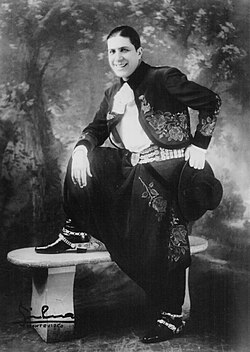
Key Facts
- Full Name: Charles Romuald Gardès (later Carlos Gardel).
- Birthplace: Toulouse, France (confirmed by birth records).
- Primary Genre: Tango.
- Major Contribution: Pioneered the tango-canción with the 1917 hit "Mi noche triste".
- Death: Died in a plane crash in Medellín, Colombia, on June 24, 1935.
- Legacy: Inducted into the International Latin Music Hall of Fame (2000) and Latin Songwriters Hall of Fame (2014).
Early Life and Migration
Carlos Gardel was born at the Hôpital de La Grave in Toulouse, France, on December 11, 1890. He was the son of Berthe Gardès, a laundress. His father was identified as Paul Laserre, a married man who had left Toulouse shortly before the birth. To avoid the social stigma of having a child born out of wedlock, Berthe Gardès left France with her son in early 1893.
The pair arrived in Buenos Aires, Argentina, on March 11, 1893. Settling in the San Nicolás district, Berthe worked as a presser of clothes in the French style. Growing up in this vibrant city, Gardel spoke Spanish as his primary language and was known to friends and family as "Carlos" or "Carlitos." In his youth, his close circle of friends often called him "El francesito" (Frenchie), acknowledging his origins.
The Rise of a Global Icon
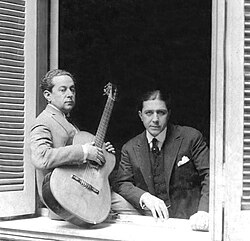
Gardel's professional journey began in bars and at private parties. He initially performed with Francisco Martino and later formed a trio with Martino and José Razzano. His career reached a turning point in 1917 with the recording of "Mi noche triste," which sold 10,000 copies and became a massive hit across Latin America.
As his fame grew, Gardel toured extensively through Argentina, Uruguay, Chile, Brazil, Puerto Rico, Venezuela, and Colombia. He also performed in major global cities, including Paris, New York, Barcelona, and Madrid. During a 1928 visit to Paris, he sold 70,000 records in just three months.
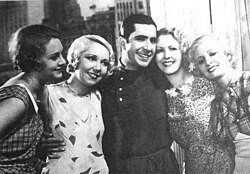
Gardel also transitioned into cinema, filming several movies for Paramount in France and the United States. While films like Cuesta abajo (1934) and El día que me quieras (1935) are often viewed as sentimental, they served as vital showcases for his singing talent and charismatic screen presence.
The Birthplace Controversy
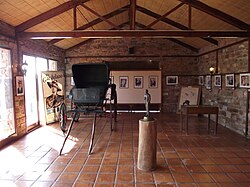
For decades, a heated debate persisted regarding Gardel's true origin. In 1967, Uruguayan writer Erasmo Silva Cabrera proposed that Gardel was actually born in Tacuarembó, Uruguay, in 1887. This theory suggested he was the secret son of a landowner named Carlos Escayola. This version of events gained enough traction that a museum was established in Tacuarembó.
However, scholarly research and the discovery of his birth certificate in 2012 confirmed that he was born in Toulouse, France. It is believed that Gardel intentionally created a "false trail" regarding his birthplace starting in 1920. By applying for Uruguayan citizenship and claiming he was born in Tacuarembó, he likely sought to avoid complications with French military registration during the Great War, as Uruguay remained neutral.
Tragic End and Lasting Legacy
The world lost Carlos Gardel on June 24, 1935, in a catastrophic aviation accident. Two Ford Trimotor transport aircraft collided at the Olaya Herrera Airfield in Medellín, Colombia. The crash claimed the lives of Gardel, his collaborator Alfredo Le Pera, pilot Ernesto Samper, and several other associates.
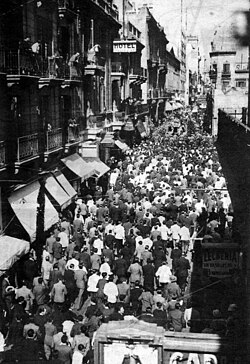
Gardel's death did not diminish his influence; instead, it cemented his status as a cultural icon. In Argentina, the phrase "Gardel sings better every day" reflects his enduring popularity. His song "Volver" (1934) gave rise to the common expression Veinte años no es nada ("Twenty years is nothing").
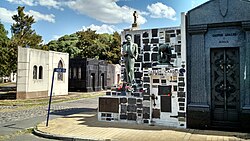
Today, his memory is preserved through museums in both Buenos Aires and Uruguay, as well as through commemorative stamps issued by Argentina, Uruguay, Colombia, and the United States.
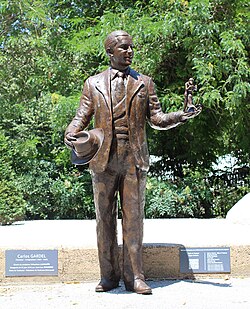
Summary of Career and Life
| Category | Details |
|---|---|
| Active Years | 1917–1935 |
| Key Collaborator | Alfredo Le Pera (Lyricist) |
| Breakthrough Work | "Mi noche triste" (1917) |
| Notable Films | Cuesta abajo, El día que me quieras, El Tango en Broadway |
| Confirmed Birthplace | Toulouse, France |
| Death Location | Medellín, Colombia |
Frequently Asked Questions
Was Carlos Gardel actually born in Uruguay?
No. While a popular theory and some official documents claimed he was born in Tacuarembó, Uruguay, scholarly research and the discovery of his birth certificate confirmed he was born in Toulouse, France, in 1890.
Why did Gardel claim to be Uruguayan?
It is most likely that Gardel claimed Uruguayan citizenship to avoid issues with French military authorities during the Great War, as he had likely failed to register for service in France.
What is the "tango-canción"?
The tango-canción is a style of tango that emphasizes the song and lyrical narrative over the instrumental dance, a format Gardel helped pioneer and popularize.
How did Carlos Gardel die?
Gardel died at the age of 44 in a plane crash involving two Ford Trimotor aircraft at the Olaya Herrera Airfield in Medellín, Colombia, on June 24, 1935.
Who was Alfredo Le Pera?
Alfredo Le Pera was Gardel's long-time collaborator and lyricist. Together, they wrote many of Gardel's most famous tangos before Le Pera also perished in the 1935 plane crash.