Carl Teike: The Master of the Military March
In the world of wind band music, few names carry as much weight as Carl Teike. A prolific German composer, Teike transformed the military march from a functional tool of war into a celebrated art form. While he spent much of his professional life in civil service, his musical legacy continues to resonate in concert halls and parades globally.
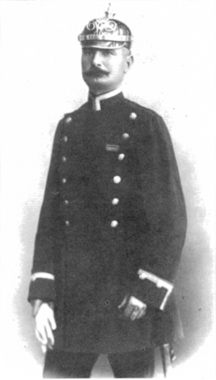
Early Life and Musical Foundations
Born on February 5, 1864, in Stettin-Altdamm, Pomerania, Carl Teike grew up in a large household as the fourth of 14 children. The son of a blacksmith, Teike's formal journey into music began at the age of 14. He proved to be a versatile musician, mastering a variety of instruments during his youth.
At 19, Teike entered military service, joining the army of Württemberg. He was assigned as a musician to the 123rd König Karls Regiment and stationed in the city of Ulm. During this period, his talents extended beyond the barracks; he performed as a percussionist and French horn player for local theater orchestras, blending military precision with theatrical flair.
The Creation of "Alte Kameraden"
It was during his time in Ulm that Teike began composing military marches. In 1889, he wrote a piece that would eventually become his most enduring legacy: Alte Kameraden ("Old Comrades"). However, the path to success was not immediate. Teike's bandmaster disapproved of the composition, a conflict that ultimately led Teike to resign from the army.
Despite the lack of military approval, the piece found commercial success. A publisher purchased the song for twenty German Goldmark (the currency of the German Empire at the time). Alte Kameraden eventually evolved into one of the most popular and recognized marches in the world.
Civil Life and Later Years
Following his departure from the military, Teike transitioned into civil service. He became a police officer in Ulm and married his landlord's daughter. In 1895, the couple relocated to Potsdam in Brandenburg, where Teike continued his career in law enforcement until 1908, when illness forced his resignation.
Teike spent his final years working as a postal employee in Landsberg an der Warthe, East Brandenburg. He passed away on May 28, 1922, leaving behind a massive body of work including over 100 military marches and twenty concert works.
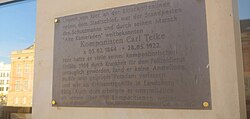
Key Facts
- Total Compositions: Over 100 military marches and 20 concert works.
- Most Famous Work: Alte Kameraden ("Old Comrades"), composed in 1889.
- Military Service: Served in the 123rd König Karls Regiment.
- Instruments Played: French horn and percussion.
- Civil Careers: Police officer and postal employee.
- Commemoration: A plaque in his honor is located on the exterior of the Mercure Hotel in Potsdam.
Summary of Carl Teike's Life
| Category | Details |
|---|---|
| Lifespan | February 5, 1864 – May 28, 1922 |
| Birthplace | Stettin-Altdamm, Pomerania |
| Primary Genre | Military Marches |
| Notable Locations | Ulm, Potsdam, Landsberg an der Warthe |
| Key Achievement | Composer of Alte Kameraden |
Frequently Asked Questions
What is Carl Teike's most famous composition?
His most famous work is the march Alte Kameraden ("Old Comrades"), which was written in 1889 and became one of the most popular marches globally.
Why did Carl Teike leave the army?
Teike resigned from the army after his bandmaster expressed disapproval of his composition, Alte Kameraden.
What instruments did Carl Teike play?
During his time in Ulm, Teike played the French horn and percussion for local theater orchestras.
How many works did Carl Teike compose?
Teike composed more than 100 military marches and twenty concert works.
Where can you find a memorial to Carl Teike today?
A commemorative plaque for Carl Teike is located on the exterior of the Mercure Hotel in Potsdam, Germany.