Novelty Songs: A History of Musical Gimmicks and Humor
In the vast landscape of popular music, there exists a unique genre defined not just by melody, but by a central hook: a novelty concept. A novelty song is a track built upon a specific gimmick, a piece of humor, or a recognizable sample of popular culture. While they often overlap with comedy songs and musical parodies—especially when the gimmick involves mimicking another popular tune—novelty songs stand as a distinct category of entertainment.
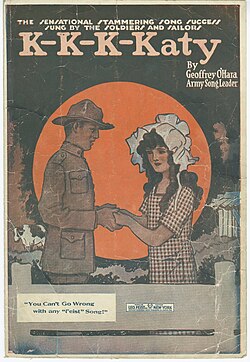
The term itself emerged from the legendary Tin Pan Alley, the collection of music publishers and songwriters in New York City that dominated the industry in the late 19th and early 20th centuries. In that era, the industry recognized three major divisions of popular music: ballads, dance music, and novelty songs. While all novelty songs contain humorous elements, not every humorous song qualifies as a novelty track.
Key Facts
- Origins: The term originated in the Tin Pan Alley era of the United States.
- Golden Eras: Novelty songs saw massive popularity during the 1920s and 1930s, with resurgences in the 1950s, 1960s, and the digital age.
- Defining Feature: They rely on a central gimmick, humor, or cultural sample.
- Chart Success: Many novelty tracks, such as "Yakety Yak," have achieved significant longevity and chart-topping status.
The Evolution of Musical Humor
The Early 20th Century and World War II
As the 20th century progressed, novelty songs became a tool for both entertainment and wartime expression. During the outbreak of World War II in 1939, British troops sang "Hitler Has Only Got One Ball," which utilized the tune of the popular "Colonel Bogey March." By 1942, Spike Jones was pushing the boundaries of the genre with "Der Fuehrer's Face," a track that famously incorporated raspberries into its chorus to enhance the comedic effect.

The late 1940s saw massive commercial success for the genre. Tex Williams's "Smoke! Smoke! Smoke! (That Cigarette)" dominated the Billboard best-sellers chart for six weeks in 1947 and 1948. Even early country legends like Hank Williams Sr. touched upon these elements; his hit "Move It On Over" featured humorous themes regarding domestic disputes, though some contemporaries debated the extent of its novelty status.
The 1950s and 1960s Resurgence
The mid-century period brought a wave of novelty hits that captured the public imagination. In 1953, Patti Page's "(How Much Is) That Doggie in the Window?" became a #1 single, though it also faced listener backlash for being perceived as annoying. The 1950s also saw the rise of satirists like Stan Freberg, Allan Sherman, and Tom Lehrer, who used the format to critique contemporary pop culture.
The era was defined by iconic acts like The Coasters, whose song "Yakety Yak" became a #1 single in 1958 and remains the only novelty song included in the "Songs of the Century." The 1960s continued this trend with Brian Hyland's "Itsy Bitsy Teenie Weenie Yellow Polka Dot Bikini" and The Trashmen's surf rock medley "Surfin' Bird." In the UK, the genre saw success with Ronnie Hilton's "A Windmill in Old Amsterdam," which earned an Ivor Novello Award for Outstanding Novelty Composition in 1966.
From the 1970s to the Digital Age
The Era of Parody and Radio
The 1970s and 1980s introduced prolific parody artists, most notably "Weird Al" Yankovic, whose career has spanned four decades. Other notable hits included Chuck Berry's "My Ding-a-Ling" and Ray Stevens's "The Streak." During this time, novelty music found a dedicated home on the airwaves through Dr. Demento, a nationally syndicated radio show that provided a platform for the genre until the mid-2000s.
In the United Kingdom, novelty songs frequently dominated the Christmas charts. From Benny Hill's "Ernie" in 1971 to Bob the Builder's "Can We Fix It?" in 2000, the trend of children's characters and comedic acts vying for the holiday number one became a cultural staple.
The 21st Century and Viral Success
In the modern era, the internet has become the primary engine for novelty music. Viral sensations like Ylvis's "The Fox (What Does the Fox Say?)" and the massive global success of the children's song "Baby Shark" demonstrate how digital platforms can propel a novelty concept to the top of the global charts.
Summary of Notable Novelty Hits
| Era | Song Title | Artist | Notable Achievement |
|---|---|---|---|
| 1940s | "Der Fuehrer's Face" | Spike Jones | Used comedic sound effects (raspberries) |
| 1950s | "Yakety Yak" | The Coasters | Included in "Songs of the Century" |
| 1960s | "Itsy Bitsy Teenie Weenie Yellow Polka Dot Bikini" | Brian Hyland | Topped the Billboard single chart |
| 1970s | "The Streak" | Ray Stevens | #1 Hit in 1974 |
| 1980s | "Rock Me Amadeus" | Falco | #1 Hit in 1986 |
| 2010s | "The Fox (What Does the Fox Say?)" | Ylvis | Viral digital success |
Frequently Asked Questions
What is the difference between a novelty song and a parody?
While they overlap, a novelty song is defined by a central gimmick or humorous concept, whereas a parody is specifically designed to mock or imitate another work or artist.
Did novelty songs always have to be funny?
Most novelty songs rely on humor, but the primary requirement is a "novel" or unusual concept, such as a unique sound effect, a specific cultural sample, or a strange lyrical theme.
Who was a major figure in novelty radio?
Dr. Demento was a highly influential figure, hosting a nationally syndicated radio show that provided a dedicated outlet for novelty music from 1970 through the mid-2000s.
How has the internet changed novelty music?
The internet has allowed novelty songs to find massive audiences through viral videos and memes, as seen with hits like "Baby Shark" and "Man's Not Hot."
What was the role of Tin Pan Alley in this genre?
Tin Pan Alley was the birthplace of the term "novelty song," using it to categorize one of the three main divisions of popular music alongside ballads and dance music.