Alte Kameraden: The History of Carl Teike's Iconic Military March
Among the vast repertoire of military music, few pieces have achieved the global recognition of Alte Kameraden (translated as "Old Comrades"). Composed in the late 19th century, this German military march has evolved from a rejected piece of sheet music into a worldwide standard, performed at royal coronations and featured in cinematic classics.
The piece is formally cataloged in the Armeemarschsammlung (the official collection of army marches) as HM II, 150, marking its status as a cornerstone of military musical tradition.
Key Facts
- Composer: Carl Teike
- Composition Date: Approximately 1889
- Origin: Ulm, Germany
- Catalog Number: HM II, 150
- Premiere: 1895 by the Nowaweser Kapelle Fritz Köhler
- Notable Use: Coronation of King George VI (1937)
The Origin Story: From the Stove to Global Fame
The creation of "Alte Kameraden" is marked by a famous anecdote of artistic rejection. Around 1889 in Ulm, Germany, Carl Teike was composing for the marching band of the Grenadier-Regiment König Karl (5. Württembergisches) No. 123. When Teike presented the new march to the Kapellmeister (bandmaster) Oelte, the response was dismissive. Oelte claimed the regiment already had enough marches and told Teike to "put this one in the stove!"
This rejection prompted Teike to leave the band and title the piece "Alte Kameraden." Despite the initial snub, the work found commercial success when a publisher purchased the song for 25 German Goldmark. The march finally premiered in 1895, performed by the Nowaweser Kapelle Fritz Köhler.
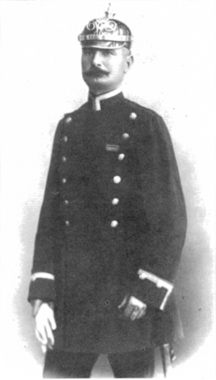
Following its premiere, the march's popularity surged. It was featured in the 1930 film The Blue Angel and reached a pinnacle of prestige in 1937, when it was played during the coronation ceremony for King George VI of England. While Teike eventually transitioned into a career as a police officer, he never abandoned his passion for composing military music.
Global Influence and Cultural Curiosities
The reach of "Alte Kameraden" extends far beyond the borders of Germany, often appearing in unexpected contexts. In Finland, the march gained a unique following among amateur photography clubs due to a linguistic mistranslation where "kameraden" (comrades) was interpreted as "cameramen."
The march also maintains official status in South America, serving as the official parade march for the Escuela de Especialidades Sargento 1.º Adolfo Menadier Rojas, the Non Commissioned Officers School of the Chilean Air Force.
More recently, the tune was quoted in music written for the North Korean military parade celebrating the 75th anniversary of the founding of the Workers' Party of Korea on October 10, 2020.

Musical Themes and Lyrics
The lyrics of "Alte Kameraden" reflect themes of loyalty, nostalgia, and the bonds of brotherhood. The verses describe soldiers marching through the countryside, the camaraderie found in village inns during maneuvers, and the bittersweet nature of parting. The lyrics emphasize that while the body ages, the heart remains young through the power of memory and shared experience.
| Category | Details |
|---|---|
| Composer | Carl Teike |
| Year Composed | c. 1889 |
| Catalog ID | HM II, 150 |
| Key Themes | Friendship, Loyalty, Military Life |
| Notable Appearances | The Blue Angel (1930), Coronation of George VI (1937) |
Frequently Asked Questions
Why is the march called "Alte Kameraden"?
The title, meaning "Old Comrades," was chosen by Carl Teike after his composition was rejected by the Kapellmeister of the Grenadier-Regiment König Karl, leading Teike to leave the band.
How much was the march originally sold for?
A publisher purchased the song from Carl Teike for 25 German Goldmark.
Which royal event featured this march?
The march was played during the coronation ceremony for the English King George VI in 1937.
What is the connection between this march and Finnish photographers?
The march became popular in Finnish amateur photography clubs because the word "kameraden" was mistranslated into Finnish as "cameramen."
Is the march used by any modern military organizations?
Yes, it is the official parade march for the Chilean Air Force's Non Commissioned Officers School (Escuela de Especialidades Sargento 1.º Adolfo Menadier Rojas).