Cargo and Freight Transportation: A Comprehensive Overview of Global Logistics
In the world of logistics, the terms cargo and freight are often used interchangeably, but they carry distinct meanings depending on the context. In general transportation, cargo refers to the actual goods being moved by land, water, or air, while freight refers to the process of conveyance. From an economic perspective, freight describes goods transported at a specific rate for commercial gain.
The term cargo is particularly vital in the cold-chain—the temperature-controlled supply chain—because perishable inventory is considered to be in transit even when stored in climate-controlled warehouses. Additionally, logistics operators use the term to describe multi-modal container units. When these containers are empty, the unit itself is documented as cargo; when filled, the contents are termed containerized cargo.
Key Facts
- Cargo refers to the goods; Freight refers to the conveyance or the commercial transport of those goods.
- LTL (Less-than-Truckload) shipments typically range from 50 to 7,000 kg.
- TL (Truckload) shipments in the US generally exceed 7,000 kg and utilize a dedicated trailer.
- ULDs (Unit Load Devices) are standardized containers used to optimize space in aircraft.
- Containerization has significantly reduced the volume of break bulk cargo since the 1960s.
- CSI (Container Security Initiative) is a US program designed to secure containerized cargo globally.
Maritime Transport
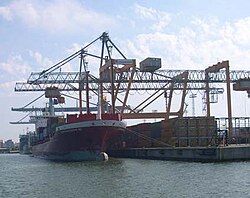
Seaport terminals are the hubs for various types of maritime cargo. Historically, break bulk or general cargo—goods handled piecemeal using nets, slings, or pallets—was the norm. These items are lifted by cranes or derricks and secured using dunnage (material used to protect and stabilize cargo). However, since the 1960s, the industry has shifted heavily toward containerization.
In contrast, bulk cargo consists of commodities that are not palletized or containerized, such as oil, salt, grain, and scrap metal. Bulk cargo is categorized as either liquid or dry and is handled differently than heavy-lift or project cargo.
Air Cargo and Freight
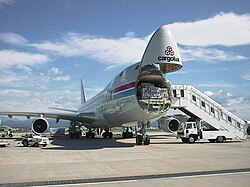
While air cargo encompasses any goods shipped by air, air freight specifically refers to goods transported in the hold of a dedicated cargo aircraft. This mode of transport began with mail in 1911 and has evolved to include massive aircraft like the Boeing 747 and the An-124.
To maximize efficiency, air transport utilizes Unit Load Devices (ULDs), which are standardized quick-loading containers similar to ISO containers used in shipping. Some dedicated freighters feature large nose-loading doors for oversized items.
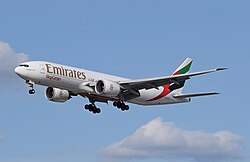
Air shipments move at high speeds, often exceeding 800 km (497 mi) per hour. However, strict security regulations apply, particularly in the US, where shippers must be approved through the Known Shipper Management System to transport goods on passenger aircraft. Certain items, such as rechargeable lithium-ion batteries, face significant restrictions.
Land Transport: Rail and Road
Rail Freight
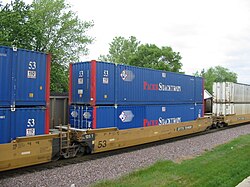
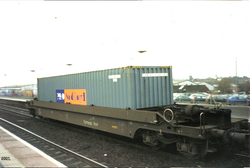
Rail is ideal for transporting massive quantities of containers, coal, steel, and grain over long distances. It is generally more energy-efficient and economical than road transport for bulk loads. The primary drawback is a lack of flexibility, leading to higher transshipment costs when cargo must move between different modes of transport.
Road Freight
Road transport provides the flexibility that rail lacks, making it essential for supplying supermarkets with fresh food and delivering parcels. Companies like FedEx and Parcelforce utilize a range of vehicles from small vans to full semi-trucks. The World Bank often views the volume of commercial freight moved by small businesses as an indicator of economic health.
Understanding Truckload Categories
Road freight is primarily divided into two categories based on weight and volume:
Less-than-Truckload (LTL)
LTL represents the majority of B2B shipments. These loads typically range from 50 to 7,000 kg and are usually palletized and shrink-wrapped. LTL trailers vary from 28 ft (for residential areas) to 53 ft. Because LTL shipments share space with other cargo, they are often reloaded multiple times during transit.
Truckload (TL)
Shipments exceeding 7,000 kg are usually classified as TL. It is more economical for these large loads to have exclusive use of a trailer. In the US, the Federal Bridge Gross Weight Formula limits a 5-axle rig to a total weight of 80,000 lb (36,287 kg). Unlike LTL, TL shipments typically stay on the same trailer from pickup to delivery.
Shipment Classification and Costs
Freight is categorized by the type of item, size, quantity, and transit time. Common categories include:
- Household Goods (HHG): Furniture and art.
- Express: Small items (envelopes) usually traveling by air.
- Parcel: Boxes typically under 50 kg, moving primarily via road and rail (B2C).
- Freight: All shipments exceeding the above categories.
To reduce costs, many shippers use freight brokers or online marketplaces. These intermediaries can often secure discounts of 50% to 80% off published rates, far exceeding the 5% to 30% discount a small shipper might get directly from a carrier. Shippers can also avoid "accessorial fees" (such as liftgate or residential delivery charges) by arranging pickups directly at carrier terminals.
| Category | Typical Weight | Primary Mode | Common Use Case |
|---|---|---|---|
| Express | < Few kg | Air | Documents/Small B2B |
| Parcel | < 50 kg | Road/Rail | B2C E-commerce |
| LTL | 50 - 7,000 kg | Road | Palletized B2B |
| TL | > 7,000 kg | Road | Full Trailer Loads |
Security and Stabilization
Due to national security concerns, governments strictly regulate cargo entering their borders. The US leads these efforts with the Container Security Initiative (CSI), which monitors the millions of containers entering US ports to prevent terrorism and crime.
To ensure safety during transit, cargo must be stabilized. Traditional methods include steel strapping and wood blocking. Modern alternatives include polyester lashing, synthetic webbings, and dunnage bags (inflatable airbags) that fill gaps between items to prevent shifting.
Frequently Asked Questions
What is the difference between cargo and freight?
Cargo refers to the actual goods being transported, while freight refers to the act of transporting those goods or the commercial rate charged for the service.
What are Unit Load Devices (ULDs)?
ULDs are standardized containers or pallets used in aircraft to efficiently load and secure cargo in the hold, similar to how ISO containers work for ships.
Why is LTL shipping often cheaper for small businesses?
LTL (Less-than-Truckload) allows multiple shippers to share the space and cost of a single trailer, making it more affordable than paying for an entire truckload.
What is the purpose of the Container Security Initiative (CSI)?
CSI is a US government program designed to increase the security of containerized cargo arriving from global ports to mitigate risks of terrorism and smuggling.
How is bulk cargo different from break bulk cargo?
Bulk cargo consists of loose commodities (like grain or oil) transported without packaging, whereas break bulk cargo consists of individual items handled piecemeal, such as crates or pallets.